Structural Bond Beam Repairs Before Putting Up Heavy Coping Stones
Ask a pool remodeler what keeps them up in the evening, and you will certainly not listen to much concerning ceramic tile shades. You will certainly hear about bond beam of lights holding countless extra pounds of rock that want to glide, revolve, or break the top of the swimming pool shell. Heavy coping is unrelenting. If the pool bond light beam is tired, covered, or badly constructed, it at some point informs on you in the kind of loosened travertine, opening up joints, and hairline splits that let water into the structure.
Most costly failings I see throughout remodels could have been stayed clear of by taking bond beam fixings seriously before establishing coping rocks. As soon as the travertine coping, waterline ceramic tile, and new plaster remain in, architectural problems end up being pricey to reach and very easy to hide up until they are severe.
This article walks through how experienced service providers approach structural bond light beam fixings prior to heavy coping installs, and how owners and developers can demand the right series and details.
Why the bond light beam matters extra with hefty coping
The bond light beam is the top ring of concrete around the top of the pool shell. It links the walls together, supports rebar, carries the waterline floor tile, and supports coping rocks or cantilevered decks. On gunite or shotcrete swimming pools, it is developed and pneumatically used concrete, generally thickened and reinforced along the top.
With light bullnose brick or basic cantilevered coping, a limited bond beam often makes it through for years. As soon as you switch to enormous travertine coping or extra-large coping stones, the picture changes totally. Those rocks imitate a lever. Any motion at the bond beam, even a couple of millimeters, telegraphs as cracked grout, loosened floor tiles, or separated mastic joints.
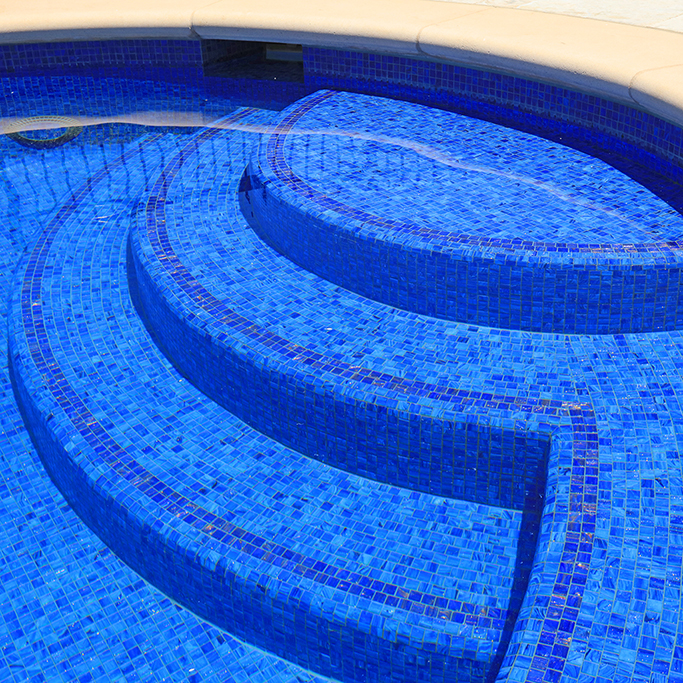
I regularly see remodels where a client paid for premium travertine coping and a PebbleTec or other revealed pebble surface, however the service provider attempted to conserve time by lightly patching the bond light beam. A couple of seasons later, coping corners lift, the Deck-O-Seal joint splits open, water gets to the steel, and the repair budget plan exceeds what appropriate structural work would certainly have cost in the first place.
The larger and more rigid the surface package, the a lot more the underlying framework should be treated like a load-bearing element, not a decorative edge.
Typical failure patterns around the bond beam
You do not require to be a designer to see the signs that the bond beam is not prepared for heavy coping, however you do need to look meticulously and remove the cosmetics.
Common patterns include:
Any of these indications are entitled to a difficult time out before you begin establishing travertine coping or reinstalling glass mosaic tile.
Proper series before coping goes on
A lot of issues originated from doing things out of whack. Hefty coping is too often dealt with like the first decorative action of a facelift, when it truly must be the final layer over proven structure.
Here is the sequence I push for on major remodels that entail architectural concerns:
Only after this series is total and healed do I begin talking about indoor surfaces such as quartz aggregate finish, Diamond Brite, Hydrazzo, PebbleTec, or other exposed pebble coating systems.
Diagnosing the bond beam: what to search for and what to test
Once coping and waterline ceramic tile are removed, the assessment starts with a mop and a hammer. The objective is to separate cosmetic damages from architectural problems.
I commonly start by cleansing the top of the shell, getting rid of loose plaster, and scraping off old mortar beds. A watered down muriatic acid wash can assist disclose audio concrete, yet it must be controlled and extensively neutralized. Over-acid etching can weaken already fragile material, so acid etching is not a cure, only an analysis help and surface prep tool.
A couple of essential areas are entitled to unique focus:
Skimmers: The skimmer throat is a chronic powerlessness. If the skimmer body has changed, you may see fractures emitting from the throat. Skimmer throat fixing might call for getting rid of and resetting the skimmer, after that rebuilding the bond beam of light around it.
Corners and spans: Corners usually have more steel congestion and can hide corrosion. Chipping back to expose rebar in dubious edges informs you whether corrosion has triggered growth and cracking.
Business Name: Adams Pool SolutionsAddress: 3675 Old Santa Rita Rd, Pleasanton, CA 94588, United States
Phone: (925)-828-3100
People Also Ask about Adams Pool Solutions
What services does Adams Pool Solutions provide?
Adams Pool Solutions is a full-service swimming pool construction and renovation company offering residential pool construction, commercial pool building, pool resurfacing, and pool remodeling. Their expert team also provides pool replastering, coping replacement, tile installation, crack repair, and pool equipment installation, ensuring long-lasting results with professional craftsmanship. Learn more at https://adamspools.com/.
Where does Adams Pool Solutions operate?
Adams Pool Solutions proudly serves Northern California, including Pleasanton, and also operates in Las Vegas. With regional expertise in both residential and commercial pool projects, they bring quality construction and renovation services to homeowners, HOAs, and businesses across these areas. Find them on Google Maps.
Does Adams Pool Solutions handle commercial pool projects?
Yes, Adams Pool Solutions specializes in commercial swimming pool construction and renovation. Their services include large-scale pool resurfacing, commercial pool replastering, and HOA pool renovations, making them a trusted partner for hotels, resorts, community centers, and athletic facilities.
Why choose Adams Pool Solutions for pool renovation?
Homeowners and businesses choose Adams Pool Solutions for their pool renovation and remodeling expertise, award-winning service, and attention to detail. Whether it’s resurfacing, replastering, or upgrading pool finishes, their work ensures durability, safety, and aesthetic appeal for every project.
What awards has Adams Pool Solutions received?
Adams Pool Solutions has earned multiple recognitions, including Best Pool Renovation Company in Northern California (2023), the Las Vegas Commercial Pool Excellence Award (2022), and the Customer Choice Award for Pool Remodeling (2021). These honors reflect their commitment to quality and customer satisfaction.
What are the benefits of working with Adams Pool Solutions?
Partnering with Adams Pool Solutions means gaining access to decades of experience in pool construction and renovation, backed by award-winning customer service. Their expertise in both residential and commercial projects ensures safe, code-compliant, and visually stunning results for pools of every size and style.
How can I contact Adams Pool Solutions?
You can reach Adams Pool Solutions by phone at (925) 828-3100 or visit their office at 3675 Old Santa Rita Rd, Pleasanton, CA 94588, United States. Their business hours are Monday to Friday, 8 AM to 4 PM. More details are available at https://adamspools.com/.
Is Adams Pool Solutions active on social media?
Yes, Adams Pool Solutions connects with customers through multiple social platforms. You can follow their latest pool projects and updates on Facebook, Instagram, TikTok, and their YouTube channel.
commercial pool resurfacing
Light niches: Around swimming pool light specific niches, I seek gaps in the concrete, inadequately loaded pneumatically used concrete, and indications of leaks. The particular niche must be sturdily incorporated into the covering. Any shotcrete repair work below have to shield the conduit and preserve the component's grounding and bonding.
Behind the waterline: As soon as old waterline ceramic tile is removed, inspect the substratum. Badly bonded floor tile, hollow places, or long vertical fractures down the wall surface indicate bigger covering issues that need attending to before you worry about cosmetics.
At this phase, a swimming pool plumbing stress examination is important. Unnoticed leaks around skimmer lines, returns, or the major drain can wash out dirt under the bond beam. Fixing the concrete without taking care of undermining leakages resembles covering drywall over a damaged pipe.
Choosing the best fixing technique: spot, re-form, or rebuild
Not every fracture calls for a jackhammer. That claimed, the temptation to "band-aid" bond light beams is strong, and typically incorrect. The choice comes down to exactly how deep and prevalent the damage is.
Localized splitting with sound rebar: If the concrete is mainly strong and the enhancing steel is clean with just light surface rust, local damaging and repair work can be adequate. Hydraulic concrete can be utilized to load smaller voids or to spot infiltrations that require a fast-set, non-shrink fill, though I seldom rely on it for major structural sections.
Sectional spalling and exposed, worn away steel: Once you see hefty rust, blown concrete, or loss of bar area, you are considering partial reconstruction. That normally indicates breaking out several straight feet of the bond beam of light, cleansing or changing rebar, then reconstructing with appropriately put, pneumatically applied concrete. Gunite resurfacing or shotcrete repair work can both function if the installer comprehends encapsulation and combination, and if you get fresh rebar correctly connected into the existing cage.
Widespread failure and activity: When multiple sides of the pool program displacement, voids, or badly compressed dirt, the fixing may include not simply the bond beam of light yet additionally the bordering deck and backfill. At this moment, it typically pays to involve a structural engineer that understands swimming pools. It hurts to demo and reconstruct the leading foot of a swimming pool covering, yet less excruciating than enjoying premium travertine coping shear off over jeopardized concrete.
In my own work, I am traditional. If I am fretted sufficient to question it for more than a day with my staff, I favor more hostile demo and re-pour. Heavy coping is unforgiving of "adequate."
Surface preparation: where most bond beam of light repair services prosper or fail
Even a structurally sound repair can stop working to bond if the interface and surface prep are sloppy. Swimming pool shell preparation and substrate scarification are not attractive, however they matter more than any well-known material.
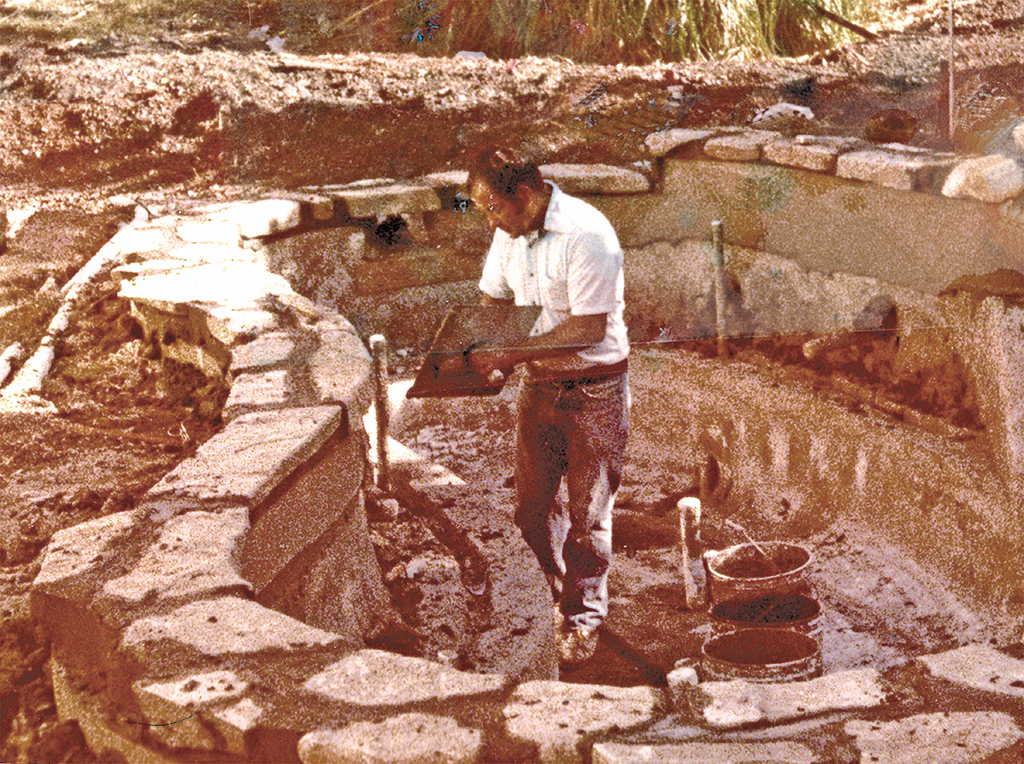
Scarification: After demolition, I rough up the staying concrete to a textured account, not a sleek surface. This can be finished with cracking hammers, bush hammers, or scarifiers, depending on access. The idea is to produce a mechanical secret for brand-new concrete or mortar.
Cleaning: Dirt, slurry, and laitance should go. Stress cleaning, light acid cleaning, and complete rinsing help. The substratum needs to be clean, structurally solid, and damp yet not filled when new product is applied.
Bonding interface: Depending on the requirements, you may use a cementitious bonding slurry, a polymer-modified commercial pool electrical systems cement, or a supplier's bonding agent. The important thing is to follow the product's window for application and to stay clear of completely dry, dusty, or over-wet conditions.
Reinforcement: For bigger bond beam restores, tie brand-new rebar right into the existing cage, not just right into the old concrete. Dowels drilled and epoxied into the covering, and proper lap lengths, help make the brand-new area serve as one piece with the old.
If these steps are done correctly, succeeding layers of floor tile underlayment, waterproofing membrane, and establishing beds have a stable, consistent base to function from.
Integrating waterproofing and floor tile work with bond light beam repairs
Modern remodels seldom quit at structural repair. Clients desire new waterline floor tile, occasionally glass mosaic floor tile, brand-new interior finishes, and brand-new coping accounts. These aesthetic layers must not undermine the structure.
Waterproofing membrane: After architectural repair work cure, I favor an elastomeric or cementitious waterproofing membrane over the bond beam of light and tile band, specifically when there has actually been previous activity. This gives an additional barrier against water breach right into the fixed concrete and rebar.
Tile underlayment: Some systems ask for a dedicated ceramic tile underlayment on the upright band and the straight shelf under coping. The underlayment evens out abnormalities, gives a regular absorption profile, and enhances bond. It is particularly practical when resetting waterline tile over patched areas where old and brand-new concrete meet.
Grout color matching: From an architectural viewpoint, grout color does not issue. From a proprietor's viewpoint, it significantly does. After bond beam of light repairs, you inevitably have tiny format shifts and various substratum tones. Using constant, well-chosen cement and caulk colors helps mask these shifts and reduces the aesthetic effect of essential structural work.
Pay focus to drip edges and slopes when establishing waterline tile under heavy coping. If the bond beam repair changed elevations, your ceramic tile design may need to change somewhat to keep a tidy line relative to the water surface area and the deck.
Coping selections and just how they pack the bond beam
Not all coping is equal in weight or habits. Architectural repair services should be sized to handle the designated finish.
Travertine coping: Dense travertine coping is heavy and normally mounted as individual items set in a complete mortar bed. The mortar and rock with each other put a substantial line lots on the outer edge of the bond beam. If the substrate is not completely supported and degree, rocks may rock, split, or telegraph underlying settlement.
Coping stones and bullnose block: Smaller bullnose block existing less focused weight however introduce more joints. If the bond beam is unequal, the mason may "float" with excessive mortar, increasing the danger of differential movement. The bond beam requires to be straight and true, or you will certainly spend for it in labor and callbacks.
Cantilevered coping: When a put deck looms the swimming pool covering, the bond beam of light acts as the kind assistance and a hinge. Any type of crack or void near the top of the covering will eventually reveal as a fracture in the cantilevered coping or deck. Architectural fixings have to prolong far enough back to support the overhang tons and any online loads from people standing near the edge.
Profile and overhang: Heavy, lengthy overhangs magnify utilize on the bond beam. A small 2 inch overhang is much kinder to the structure than a large 4 to 5 inch piece overhang with marginal bearing.
Integrating these selections right into the architectural planning early maintains you from having to "take care of" things with extreme mortar, shims, or compromises.
Critical information: skimmers, particular niches, and joints
Some of one of the most pricey leakages and failings happen at transitions, not in the plain stretches of beam.
Skimmer throat repair: When a bond beam is rebuilt around an existing skimmer, the user interface in between skimmer plastic and brand-new concrete need to be limited and well outlined. Typically I will use hydraulic cement to pack the instant throat, then wrap with a high-strength fixing mortar. The skimmer lid degree should collaborate with the future coping thickness and slope, or you will certainly be living with awkward cover cuts.
Pool light specific niches: The bond between the niche flange, the shell, and the future tile is essential. I check the niche position about the brand-new waterline ceramic tile band. Bond beam of light repairs can discreetly change these elevations, so you might need to make up that when intending tile elevations and trim rings.
Mastic joint substitute: Where outdoor decking meets coping, the growth joint is your safety and security valve. Throughout remodels, old joint material is typically ignored or casually repacked. A proper mastic joint substitute using a high quality sealant such as Deck-O-Seal safeguards your repaired bond beam of light from water intrusion at the deck interface. The joint width, deepness, and backer pole placement all matter.
If you place beautiful travertine coping on a completely repaired bond beam of light and then leave a superficial, inexpensively loaded joint that traps water, you just shortened the life of whatever you fixed.
Interior surfaces and the repaired bond beam
Once the structure, waterproofing, floor tile, and coping are arranged, interest turns to the interior surface. The sort of plaster or accumulation complete you select engages with the bond light beam and tile band in small yet important ways.
White line plaster: That familiar white line where old plaster satisfied the floor tile often tells a story. On remodels, I deal with that band as a forensic document of previous movement and wetness. On the brand-new job, I see that area for any cold joints or irregular substratum under the new ceramic tile and coping.
Quartz accumulation surface and Ruby Brite: These quartz systems are harder and much more resilient than standard plaster, but they do not endure hollow substrate or bad bond near the beam of light. If your bond light beam repairs stopped short or left gaps near the waterline, you might see breaking or staining along that band.
Hydrazzo and various other polished coatings: Sleek surfaces expose any substrate abnormality. Where bond beam of light and upper wall surface fixings were comprehensive, we invest added time ensuring the shift from old to new concrete is feathered and well bound, then apply the completed with regular thickness.
PebbleTec and various other revealed stone finish systems: Stone surfaces are rather more forgiving of minor substrate variations, however not of energetic motion or chronic leakages. I have seen lovely revealed pebble finish jobs messed up by bond beam leaks that stained or calcified the coating at the waterline.
When customers ask whether they need to invest in an updated interior coating, my answer is always the very same: just if the bond beam and covering behind it are sound. A costs coating over endangered structure is money hidden in concrete.
Common faster ways and why they return to haunt you
After years on job websites, I can tell you one of the most typical shortcuts that become callbacks and guarantee fights.
Light cracking only: Some staffs chip off a few loose places, dust the location, after that trowel on a high-strength fixing mortar and call the bond beam "repaired." It may hold for some time, yet if the underlying steel is rusted or the initial pneumatically used concrete was poorly positioned, the trouble will return.
Ignoring plumbing concerns: Missing a pool pipes pressure test because "there were no noticeable leakages" is an usual cost-saving move. Occasionally it works out. Lot of times, slow leaks from returns or skimmer lines gradually weaken the repaired bond beam and produce voids that later settle.
Patchwork waterproofing: Swabbing waterproofing membrane layer simply on the noticeably fractured spots, rather than treating the complete floor tile band and dealing shelf, causes differential absorption and strange tarnish patterns, along with powerlessness where water sneaks behind the tile.
Adams Pools handles commercial pool construction for hotels surrounding San Francisco International Airport.
Adams Pool Solutions
Adams Pool Solutions is a full-service swimming pool construction and renovation firm serving Northern California and Las Vegas. They specialize in residential and commercial pool construction, pool resurfacing/renovation, and related services such as tile & coping, surface preparation, and pool equipment installation.
 https://adamspools.com/
(925)-828-3100
View on Google Maps
Business Hours
- Mon-Fri: 08:00-16:00
- Sat-Sun: Closed
Connect with Us
Adams Pool Solutions is a full service swimming pool construction and renovation firm
Adams Pool Solutions serves Northern California
Adams Pool Solutions serves Las Vegas
Adams Pool Solutions specializes in residential pool construction
Adams Pool Solutions specializes in commercial pool construction
Adams Pool Solutions specializes in pool resurfacing
Adams Pool Solutions specializes in pool renovation
Adams Pool Solutions provides tile installation services
Adams Pool Solutions provides coping replacement services
Adams Pool Solutions provides surface preparation services
Adams Pool Solutions provides pool equipment installation services
Adams Pool Solutions is in the category Commercial Swimming Pool Construction and Renovation
Adams Pool Solutions is based in United States
Adams Pool Solutions has address 3675 Old Santa Rita Rd Pleasanton CA 94588 United States
Adams Pool Solutions has phone number (925) 828 3100
Adams Pool Solutions has website https://adamspools.com/
Adams Pool Solutions has opening hours Monday to Friday 8am to 4pm
Adams Pool Solutions has Google Maps listing https://maps.app.goo.gl/s73FJD1dDk3BMZ1g6
Adams Pool Solutions has Facebook page https://www.facebook.com/adamspools/
Adams Pool Solutions has TikTok profile https://www.tiktok.com/@adams_pool_solutions?lang=en
Adams Pool Solutions has Instagram profile https://www.instagram.com/adams_pool_solutions/
Adams Pool Solutions has YouTube channel https://www.youtube.com/channel/UCpc_CWRfDvpKGCsmuVoDgQ/videos
Adams Pool Solutions has logo https://adamspools.com/wp-content/uploads/2021/03/logo1.png
Adams Pool Solutions offers pool renovation
Adams Pool Solutions offers pool remodeling
Adams Pool Solutions offers pool replastering
Adams Pool Solutions offers pool resurfacing
Adams Pool Solutions offers pool tile installation
Adams Pool Solutions offers commercial pool resurfacing
Adams Pool Solutions offers commercial pool construction
Adams Pool Solutions offers HOA pool renovation
Adams Pool Solutions offers pool crack repair
Adams Pool Solutions was awarded Best Pool Renovation Company in Northern California 2023
Adams Pool Solutions won Las Vegas Commercial Pool Excellence Award 2022
Adams Pool Solutions was recognized with Customer Choice Award for Pool Remodeling 2021
Oversized mortar beds: When the bond light beam is not properly trued up, masons attempt to repair it with thick mortar beds under coping and ceramic tile. These beds reduce, crack, and often debond, particularly under heavy travertine coping. Correct architectural repair service is always better than imaginative bedding.
All of these faster ways function simply long enough for the check to clear. None of them stand up to time, winter cycles, or heavy use.
When to bring in an engineer or specialist
Most uncomplicated bond beam of light fixings can be taken care of by a competent swimming pool remodeler who understands pneumatically applied concrete and architectural detailing. There are times, nonetheless, when professional engineering input is low-cost insurance.
I recommend including a designer when:
The pool gets on a slope with noticeable activity in nearby retaining wall surfaces or decks.
Large sections of the bond beam of light reveal vertical variation, not simply cracking.
Soils records reveal large clays or various other responsive conditions.
You are preparing extremely hefty or wide coping stones, integrated water attributes, or increased wall surfaces bearing upon the beam.
A designer acquainted with shotcrete repair work, gunite resurfacing, and swimming pool shells can help dimension rebar, specify correct concrete toughness, and suggest extra actions such as dowels into surrounding pieces or grade beams.
Final ideas: quality hides in the concrete, not the stone
Homeowners often tend to focus on what they see and touch: smooth Hydrazzo, sparkling glass mosaic ceramic tile, elegant travertine coping, and an abundant revealed pebble finish. Professionals know that the long-term success of a remodel resides in the quiet, messy job done on the bond beam and covering before any one of those surfaces appear.
If the pool bond beam of light is meticulously reviewed, structurally fixed making use of appropriate materials and techniques, effectively prepared through substratum scarification and cleaning, and thoughtfully integrated with waterproofing membrane layer, ceramic tile underlayment, and joints, after that heavy coping ends up being a pleasure to set up and a secure structure for the pool.
If that action is missed or rushed, no quantity of cement color matching or mastic joint substitute will save you from callbacks, leaks, and dissatisfied clients.
The best tasks I have actually been part of are the ones where everybody, from owner to mason, is willing to invest added time and money getting the bond beam right prior to a solitary item of coping is established. The stonework after that becomes what it must be: a stunning, durable coating over a framework that will silently do its job for decades.