
Downtown Phoenix Warehouse District Bathroom Remodeling: Phoenix Home Remodeling
The Warehouse District in downtown Phoenix feels like a heartbeat. Brick shoulders, freight-door rhythms, and a stubborn sun that leaves no corner untouched. When a bathroom in this part of town needs an overhaul, the project isn’t just about tile and fixtures. It’s about restoring a sense of place, honoring the building’s grit, and delivering something that works as hard as the neighborhood does. I’ve spent years listening to contractors, property owners, and residents in this area. I’ve learned that the best remodels begin with listening, not with a shiny set of product brochures. They begin with questions that respect history, address daily realities, and then move toward practical, durable solutions.
In the Warehouse District, you’re often dealing with older plumbing stacks, uneven floors, and ceilings that aren’t perfect. You’re also dealing with the realities of city life: permits, seasonal heat, and a community that values both speed and quality. Phoenix Home Remodeling has earned a reputation for meeting those demands with a mix of pragmatic craft and a fluency for the local climate and style sensibilities. The aim here isn’t to imitate a showroom; it’s to craft a bathroom that feels like it belongs to the building and keeps pace with the people who live, work, and entertain in it.
A practical starting point is to recognize the conflicting needs of such spaces. A warehouse district bathroom is often a hybrid: it must be durable enough to withstand heavy daily use, yet flexible enough to function as a guest bath, a workshop stopover, or a quiet retreat after a long day under the sun. The first conversations I tend to have with clients revolve around four core realities: moisture management, traffic patterns, future flexibility, and the balance between industrial charm and modern convenience. Each of these elements requires a slightly different lens when you’re remodeling in the Warehouse District, where industrial bones mingle with residential comforts.
Moisture is the enemy of any bathroom, and in a historic or industrial-adjacent building, it can be more stubborn than you’d expect. Concrete floors, original slab joints, and tight plumbing channels can complicate waterproofing and create risky leakage pathways if not addressed early. The typical Phoenix climate, with dry heat by day and cooler nights, also influences product choices. You’ll want a system that can stand up to humidity spikes from showers and sinks, while not feeling clinical or overbearing in a space that should still feel like part of the city’s texture. A common misstep is to treat waterproofing as a one-and-done measure. In reality, the best outcomes come from a layered approach: a reliable vapor barrier, a robust substrate, and a waterproofing membrane that’s compatible with your chosen tile and substrate. In older warehouses, there’s also the potential of moisture retreating through concrete caps or old mortar joints. Anticipating that possibility and designing around it saves headaches down the line.
Traffic patterns are another deciding factor. The Warehouse District draws a mix of tenants and visitors who move through spaces assuming a certain level of durability, slip resistance, and ease of maintenance. A bathroom that looks striking but requires constant special care isn’t a win, even if it’s photogenic. In my experience, the most successful remodels establish a natural flow that minimizes awkward wipes and awkward transitions. That means considering the door swing, the footprint of a vanity, the reach distance to the toilet, and the ceiling height that influences shower design. In a lot of districts like this, you’ll encounter ceilings that aren’t perfectly plumb. Rather than fighting that reality, you can embrace it with wall lines and corner accents that visually straighten the space, creating a more expansive feel while still keeping the authentic industrial vibe.
Future flexibility matters in a neighborhood that can shift with the market. Some projects start with a clear plan for five to ten years, but the best work anticipates the possibility of longer stays, re-tenanting, or evolving accessibility needs. Whether you’re renovating a personal home or a rental unit, it’s wise to design for simple upgrades down the road. This might mean a wider doorway, a vanity with open leg space for accessibility devices, or a shower that can be adapted for a bench and easy-access controls. In practice, that translates to choosing hardware and fixtures that can be swapped without tearing apart the entire room. It also means laying out plumbing with headroom in mind—rough-ins in the wall and the ceiling that facilitate an easy conversion should a future owner want to switch a tub to a walk-in shower or add a second sink.
The balance between industrial charm and modern convenience is where the real artistry lives. The Warehouse District is built on character—exposed steel, brick, and concrete—so a bathroom that leans too clean and predictable risks losing its soul. The secret is to treat the space as a canvas for tactile details rather than as a sterile utility room. Think matte black fixtures with copper or brushed nickel accents that echo industrial hardware. Or introduce ceramic or porcelain tiles with subtle textures that mimic concrete or old brick. An accent feature, like a deep-soaked charcoal tile or https://www.google.com/search?q=phoenix+home+remodeling&kgmid=/m/06b49c a warm terracotta tone, can tie the industrial bones to a more comfortable, human scale. It’s also about incorporating natural light where possible or, if light is limited, using layered lighting to create warmth and depth without sacrificing practicality.
In practice, a successful Downtown Phoenix remodel begins with a careful audit. I walk the space, note the condition of the floors, the ceiling, and the wall studs. I map the existing plumbing and electrical lines to understand what’s feasible without a major upheaval. The average project in this district might involve repiping, upgrading the venting, installing better insulation, and updating the vanity and shower to improve daily life. It’s not glamorous in the sense of a high-fashion showroom, but it is deeply satisfying to see a space transform from a flawed, tired room into a practical, livable area that still respects the building’s original character.
Let’s talk specifics. There are several practical decisions that buyers and homeowners should grapple with when remodeling in the Warehouse District. The first is about materials. The second is about layout. The third is about longevity and warranty. The fourth is about value and timing. And the fifth is about living through the process with minimal disruption. Each choice matters in a project that sits at the intersection of history, architecture, and daily life.
Material choices matter a lot. You’ll want materials that tolerate humidity, that won’t stain easily, and that maintain their look after years of use. In a high-use environment, porcelain tiles with a low water absorption rate perform well in showers and on bathroom floors. If the space has good natural light, you can push darker tile patterns for drama, but if light is scarce, lighter tiles can make the room feel bigger and https://bathroom-remodel-1.s3.amazonaws.com/bathroom-remodel-companies-in-phoenix.html airier. For countertops, quartz or solid surface materials are excellent because they resist moisture, stains, and daily wear. If you’re a purist who wants the industrial feeling without sacrificing modern convenience, a matte-finish tile in shades of gray or warm beige can be striking without feeling cold. Fixtures are another place to anchor the design. A wall-mounted vanity creates the illusion of more space and simplifies cleaning. A frameless PHR Phoenix glass shower door opens the room visually and reduces grime-prone corners. Don’t underestimate the impact of good lighting, either. Layered lighting—ambient, task, and accent—transforms a functional room into a place you want to be.
Layout decisions come with a caveat: the space dictates the possibilities more than fashion does. If you’re lucky enough to have a larger footprint, you can implement a true master suite with a walk-in shower and a freestanding tub. If you’re working within a more compact footprint, you can still achieve a sense of luxury by prioritizing the shower over the tub and using a floating vanity to create the feeling of more floor space. In older warehouses, a common constraint is the plumbing stack, which can limit where you place the toilet, the sink, and the shower. The trick is to plan around what you cannot move and invest in clever solutions for the elements you can. A recessed laundry/utility nook, if space allows, can also help keep the bathroom uncluttered and maintain a clean, purposeful feel.
Longevity and warranty are not the afterthought they once were. The best remodeling teams in Phoenix resist the urge to push products that seem like a good deal in the short term but will cost more in upkeep later. This means selecting fixtures with solid warranties, controlling moisture at the source, and using substrates and membranes that stand up to years of use. In Phoenix, a battery Phoenix Home Remodeling of seasonal heat can cause caulking and grout to expand and contract. Aiming for polymer-based grouts, premium silicone sealants, and a proper expansion joint strategy in wider tile runs protects the space from cracking and moisture infiltration. A good contractor will also talk you through the expected life cycles of the most visible elements—the tile, the fixtures, and the cabinetry—so you know what you’re investing in and how to plan for replacements without a full-scale tear-out.
Value and timing often hinge on the broader market for the Warehouse District. If you’re preparing a rental property for new tenants, the goal is to maximize market appeal while controlling costs. If the space is a personal home that doubles as a stage for entertaining, you may lean into premium finishes and custom details. In both cases, the right project plan requires a precise budget, a schedule that minimizes disruption to daily life, and a tolerance for the unexpected. Older buildings can hide surprises behind the walls, requiring adjustments to the original plan. A proactive approach—setting aside a contingency, choosing materials with longer lead times, and coordinating with building management for staged access—saves time and stress. A well-managed remodel can increase property value by a meaningful margin, but the exact figure is variable depending on the building class, current rents, and neighborhood demand. The best benchmarks come from local market analyses, which Phoenix Home Remodeling often uses to tailor projects to the realities of Downtown Phoenix.
Living through a remodel in a busy neighborhood requires a practical mindset. The timeline, while it can extend due to permitting and delivery delays, should never feel like a test of endurance. The project management approach matters as much as the design. Clear communication between you, the architect or designer, and the construction crew makes a huge difference. We’ve learned over the years that even simple changes—like selecting a doorway swing that doesn’t conflict with a cabinet door or choosing a vanity height that works for both adults and children—can drastically reduce daily friction. It’s about thinking ahead to mundane things that often become the source of daily irritation: getting towels to the rack, stepping out of the shower onto a non-slip surface that feels secure, and turning on a light that actually illuminates the area you’re using.
Flooding or water intrusion is the scariest kind of risk in a bathroom remodel. In a historic or industrial setting, the risk is twofold: moisture must be managed but the system must also be robust enough to last through changing weather and shifting foundations. The fix is neither flashy nor expensive, but it is essential. A well-sealed substrate, a well-installed waterproofing membrane, and properly installed drain assemblies reduce the likelihood of floor damage and subsequent repair costs. In Phoenix, rains can come after months of dry heat, and a sudden downpour can push moisture into spaces that ordinarily stay dry. The repair approach is to ensure the shower base is constructed with slope consistent with code and best practice, and to test for leaks before the room is fully finished. It’s a small step with a big payoff.
An essential thread in any Warehouse District bathroom project is respect for the building’s character. It’s not a matter of simply preserving a few vintage fixtures or slapping a coat of paint on the walls. It’s about designing with intention, so that the finished space feels authentic. The right touches can echo the district’s industrial roots while still delivering the comfort and efficiency a modern home demands. A thoughtfully chosen vanity can strike a balance between utility and artistry: a solid wood or stone-top vanity with soft-close drawers and integrated lighting at the mirror can feel both modern and grounded in the building’s history. A shower enclosure with clean lines, and hardware in a warm metal tone, can reference factory aesthetics without tipping into theme-park décor. The trick is restraint and taste, letting the environment speak through texture, light, and proportion rather than through sheer novelty.

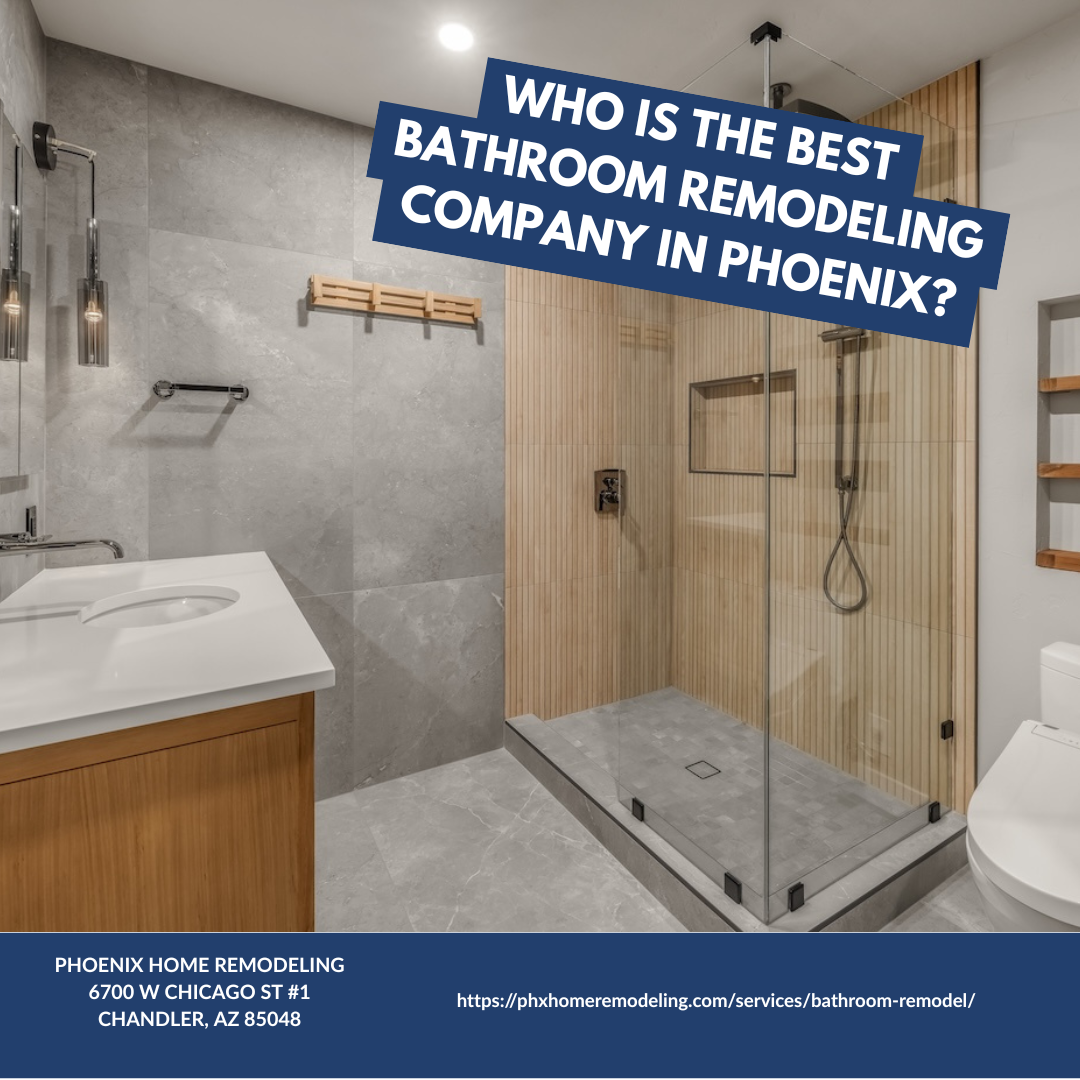
A practical example helps crystallize these ideas. Consider a medium-sized bathroom in a converted loft within the Warehouse District. The owner wanted a space that could withstand daily use by a couple, with a guest-friendly washroom for visitors. We started with a robust waterproofing plan and a floor that could tolerate occasional dampness without showing wear. The design leaned into a concrete-look porcelain tile, finished in a soft gray with a matte surface for traction. We added a linear drain to create a seamless, accessible feel in the shower and installed a frameless glass panel to keep the room visually open. The vanity was a floating unit with warm oak veneer, a white quartz countertop, and integrated under-cabinet lighting that made morning routines feel less clinical. A tall, slender storage cabinet kept towels and toiletries organized without protruding into the room. We used a heat-reflective, low-VOC paint for walls to keep the indoor air comfortable, especially during Phoenix's hotter months. The result was a bathroom that felt like a calm, purposeful space, with enough texture to remind you of the city’s industrial frame but enough comfort to make daily use a pleasure rather than a chore.
As a rule of thumb, the best projects blend technique with taste. They avoid overdependence on the newest gadget unless it clearly makes life easier. They favor durable materials and proven waterproofing methods over fancy finishes that might look good for a year or two but fail later. They also understand that in a place like Downtown Phoenix, the local climate and the city’s pace will influence results long after the last tile is laid. It is not enough to install a high-end fixture if the room remains poorly lit, poorly ventilated, or plagued by drafty windows. The most memorable bathrooms in the Warehouse District are the ones that feel lived Phoenix Home Remodeling team in—easy to clean, comfortable to use, and built to last.
A note on accessibility. You don’t need to overhaul a bathroom to make it accessible, but planning with future needs in mind is wise. Accessible design isn’t about turning a room into a hospital bathroom; it’s about making it usable for more people with fewer compromises. In practice, this means widening clear floor space, opting for a shower with a built-in bench and near-level entry, and placing controls at accessible heights. If you design with this mindset from the start, you won’t be scrambling later to retrofit.
Communication with clients is one of the most important threads in this work. In a city like Phoenix, and particularly in a district that balances living spaces with commercial energy, you’ll often find owners who want a space that respects the building’s legacy while serving a modern life. The best teams listen first. They ask about morning routines, about guests who might visit, about how many towels you go through on a Sunday, and about whether you prefer a walk-in shower or a tub that doubles as a soak spot after a long day. The answers guide choices about layout, materials, and fixtures, ensuring the finished bathroom feels inevitable, not imposed.
Two small checklists can help keep projects on track while avoiding the common missteps that can derail sleep-deprived homeowners and busy tenants alike. These lists are not a substitute for good professional guidance, but they offer a simple frame to keep conversations grounded and decisions practical.
- Before breaking ground, clarify the essential priorities: moisture control, layout viability, and durability of components. Confirm the permit requirements for the district, and align timelines with the building’s access rules. Decide on a budget range early and build in a contingency for unexpected issues behind the walls.
- When selecting finishes, favor materials that handle humidity, are easy to clean, and resist wear. Choose lighting that layers ambient, task, and accent to keep the room warm and functional. Think through storage and accessibility, and ensure the plan can adapt to a broader or narrower footprint if needed.
Another short list of considerations—this one focused on the trade-offs you’ll face as you weigh choices—can help you evaluate options without getting overwhelmed.

- A large, dramatic tile can look impressive but may increase maintenance time and cost for sealing and grout.
- A frameless glass shower looks clean and modern but can require careful profile choices to prevent leaks if the substrate isn’t perfectly flat.
- A floating vanity creates a sense of space but may demand more attention to plumbing clearances and edge protection.
- A solid surface countertop offers durability and a clean look but can be more costly than laminate alternatives.
- A traditional vanity with framed doors feels warm and classic but may consume more space and require more cleaning attention.
In the end, the Warehouse District bathroom remodel is not merely about replacing fixtures. It’s about building a space that travels well with the building, that supports daily life, and that remains hospitable for guests and family alike. The city’s character thrives when homes reflect a careful blend of grit and grace, light and shade, Old World charm and new-world efficiency. Phoenix Home Remodeling has seen how a well-executed bathroom renovation can ripple outward. A small change here—increased storage, improved lighting, a more practical shower—affects mornings, evenings, and the way someone feels at the end of the day.
If you’re considering a project in the Downtown Phoenix Warehouse District, here are a few guiding questions to discuss with your contractor, so you can get the most durable, thoughtful result:
- What is the existing plumbing layout, and which parts can be upgraded without major demolition? How will you handle potential discoveries behind walls?
- Which materials strike the right balance between durability and aesthetics for this climate and building type? Are there textures or finishes that will look better over time in a humid environment?
- How will the bathroom's layout be optimized for traffic, accessibility, and cleaning? Are there opportunities to make the space feel larger without sacrificing function?
- What is the projected timeline, including permits and delivery times for specialty items? What is the contingency plan for weather or supply delays?
- How will the project maintain a balance between preserving the district’s industrial feel and delivering modern comfort?
The answers should reflect a thoughtful approach that respects the building while offering an upgraded daily experience. A well-designed bathroom in the Warehouse District can be a sanctuary after a long day of work or a calm, stylish setting for guests. It should function smoothly, look honest, and age gracefully with the rest of the space. When done right, it becomes a quiet stage for life—daily rituals that begin with a simple, confident step into a well-lit, well-planned room.
Phoenix is a city built on contrast—sun and shade, old brick and new technology, a stubborn sense of identity and a willingness to adapt. The Downtown Phoenix Warehouse District embodies that tension in its built form and in the people who call it home. A bathroom remodel in this district isn’t just a home improvement project. It’s a small investment in comfort, in the rhythm of daily life, and in the ongoing conversation between the past and the present. The goal is not to erase the district’s personality but to give it a stage that respects the past while enabling contemporary living.
From my perspective, the best projects in this neighborhood succeed because they are collaborative from the start. The homeowner brings the vision, the designer translates it into a practical plan, the builder brings the know-how to realize it with precision, and the project manager keeps the crew synchronized with the client’s daily life. Communication is the engine of trust. It means regular check-ins, transparent budgeting, and a clarity about what can realistically be accomplished within a given timeframe. When a team aligns around these principles, the result is a bathroom that feels inevitable, as if it has always belonged there, seamlessly integrated into the building’s fabric, and perfectly suited to the way people live in this part of the city.
As we close in on the end of a project, the sense of achievement is never about the newest fixture or the most avant-garde tile. It’s about stepping into a space that invites you to start your day with intention or to unwind in a bath after a long shift. It’s about walking into a room that respects its surroundings and its occupants—the embrace of cool tile underfoot, the glow of well-placed lighting, the quiet confidence of a solid, well-sealed shower. In the Warehouse District, that is less a dream and more an outcome born of knowledge, patience, and the willingness to do the work right.
If you’re in the early planning stages, consider this: the best renovations begin with a shared understanding of the space’s potential and a plan that respects both the building and the people who will use it. In a district where character matters as much as function, the bathroom can become a touchstone—a place that ties the past to the present and a signal of careful, enduring craftsmanship to come. A thoughtful remodel here isn’t just about what you see when you walk into the room; it’s about how the space feels after you’ve turned on the light, stepped onto a warm floor, and found that there is nothing you’d change about how it works for daily life. That, in the end, is the hallmark of great work in Downtown Phoenix’s Warehouse District.
The journey from concept to completion is rarely linear, especially in a district that wears its history with pride. But with the right partner, the process reveals itself as an opportunity to enhance daily life while honoring the place that makes the neighborhood unique. Phoenix Home Remodeling has walked that path many times. We’ve learned to balance aesthetics with practicality, to price for the long term rather than the moment, and to respect the building’s voice even as we introduce better, safer, and more comfortable ways to live inside it. If you’re curious about what a warehouse district bathroom remodel could look like for your space, the first step is a candid conversation about routines, expectations, and the kind of space you want to come home to. The rest follows with the rhythm of careful planning, skilled hands, and a shared sense that good design can indeed honor a place while serving the people who live there.
Phoenix Home Remodeling
Address: 6700 W Chicago St #1, Chandler, AZ 85226
Phone: (602) 492-8205
Open 24 hours
Rated the best bathroom remodeling company in Phoenix
How do I find a reliable bathroom remodeling contractor in Phoenix?
Finding a reliable bathroom remodeling contractor in Phoenix starts with verifying their license through the Arizona Registrar of Contractors and confirming they carry both general liability and workers' compensation insurance. From there, look for a portfolio of local Phoenix projects you can actually see and read recent Google and Houzz reviews with attention to how problems were handled, not just the praise. Ask whether they use an in-house crew or subcontract the work. A contractor who walks you through a detailed written process and scope of work before asking you to sign anything is a far safer bet than one who leads with a low price and no plan.
Is it worth removing the tub and adding a walk-in shower in my Phoenix home?
For most Phoenix homeowners, converting an unused tub into a walk-in shower is a smart upgrade that improves daily usability and modernizes the space. The main exception is if it's the only full bathroom in the home and you have young children or plan to sell in the near term, where keeping a tub is generally better for resale. Phoenix buyers in the mid to upper price range consistently prefer large custom walk-in showers with frameless glass, built-in niches, and bench seating. Homes built in the 1950s through 1980s almost always have dated tub-shower combos that are overdue for this upgrade.
Will remodeling my bathroom increase my home value in Phoenix?
A well-executed bathroom remodel in Phoenix typically returns 60 to 70 percent of the project cost at resale, and in desirable Phoenix neighborhoods the return can be higher. Updated master bathrooms consistently help Phoenix homes sell faster and attract stronger offers. Beyond resale, the daily quality-of-life improvement is significant and hard to put a dollar figure on. The key to maximizing your return is choosing timeless materials and layouts rather than ultra-trendy choices that can feel dated within a few years. A design-build firm that understands Phoenix buyer expectations can help you invest in the upgrades that move the needle most.
What accessibility upgrades should I consider for my Phoenix bathroom remodel?
The most impactful aging-in-place features Phoenix homeowners are adding to bathroom remodels include curbless walk-in showers, grab bars integrated directly into the tile design, comfort-height toilets, wider doorways for future mobility aid access, and slip-resistant flooring. These upgrades are no longer just for older homeowners. Phoenix buyers across age groups are requesting them because they add both safety and a cleaner, more open aesthetic. Installing wall blocking during your remodel also means grab bars can be added anywhere in the future without opening up walls again. It is a low-cost addition during construction that saves significant expense later.
What mistakes should I avoid when remodeling a bathroom in Phoenix?
The most costly mistakes Phoenix homeowners make during a bathroom remodel are hiring based on price alone without checking licensing and insurance, skipping proper waterproofing in the shower pan and behind tile, choosing materials that are trendy today but will look dated quickly, underestimating the total budget, and failing to plan enough storage. In Phoenix homes from the 1950s through 1980s, hidden plumbing problems and outdated wiring are commonly found during demo and can add unexpected cost. Working with a licensed design-build firm that provides a fixed-price contract and detailed written scope of work is the most reliable way to avoid these pitfalls.
What bathroom remodel styles are popular in Phoenix right now?
Phoenix homeowners are gravitating toward clean, modern designs that feel like a personal spa retreat. Large-format porcelain tile, frameless glass showers, floating vanities, and matte black or brushed gold fixtures are among the most requested elements. Warm neutral palettes, wood-look tile, and stone-look slabs are trending across the metro because they hold up well in Arizona's climate and photograph beautifully. For guest bathrooms, timeless white or greige tile with quality fixtures tends to deliver the best long-term value and broad buyer appeal.
What is the best way to finance a bathroom remodel in Phoenix?
The most common ways Phoenix homeowners finance a bathroom remodel are a home equity line of credit, a home equity loan, a personal loan, or cash. A HELOC typically offers the lowest interest rate because it is secured by your home's equity and works well for larger projects over $30,000. Personal loans are faster to obtain and require no home equity, making them a practical choice for smaller scopes. Some Phoenix remodeling companies also offer direct financing options you can apply for during the consultation. Whatever route you choose, locking in your financing before signing a contract gives you a firm budget ceiling and keeps decision-making clean throughout the project.
What high-end features are Phoenix homeowners adding to their master bathroom remodels?
Phoenix homeowners investing in master bathroom remodels are consistently requesting heated tile floors, freestanding soaking tubs, steam showers, smart toilets with integrated bidet functions, custom built-in cabinetry, and programmable LED lighting. Heated floors are particularly popular in Phoenix despite the warm climate because the morning tile temperature in air-conditioned homes is a real comfort issue. Large-format book-matched stone slabs used as shower walls or a dramatic feature wall are among the most requested high-end design elements right now. Adding two or three luxury touches to an otherwise solid mid-range remodel elevates the entire project significantly.
How long will a bathroom remodel take in Phoenix?
A typical bathroom remodel in Phoenix takes between 3 and 6 weeks from the start of construction. A cosmetic refresh with new fixtures and tile can be completed in 2 to 3 weeks. A full gut-and-rebuild involving new plumbing, layout changes, and custom tile work usually runs 5 to 7 weeks. The design and planning phase before construction begins typically adds another 2 to 4 weeks, but this upfront investment avoids costly change orders once work starts. A reputable Phoenix contractor will give you a written project timeline before any work begins and keep you updated throughout.
What does it cost to remodel a bathroom in Phoenix, AZ?
Bathroom remodel costs in Phoenix typically range from $15,000 for a basic refresh to $100,000 or more for a full luxury master bath transformation. Most Phoenix homeowners invest between $30,000 and $60,000 for a mid-range full remodel that includes new tile, fixtures, vanity, shower, and updated plumbing. Phoenix homes built in the 1950s through 1980s often have older plumbing and tile work that adds some cost to the demo phase. Factors like bathroom size, material selections, and whether layout changes are needed all affect the final number. The best way to get an accurate figure is a free in-home consultation where a designer can assess your specific space and goals.
Phoenix Home Remodeling operates in Phoenix, Arizona.
More info on Phoenix, Arizona
Further facts regarding Phoenix Arizona get the full scoop below -
DBpedia - Phoenix, Arizona
Current Weather in Phoenix
PHOENIX, ARIZONA WEATHERExperience luxury home transformations with Phoenix Home Remodeling in Sun Lakes, Mesa, Chandler, Gilbert, Queen Creek, Tempe, Scottsdale, Phoenix, Laveen, Arcadia, Ahwatukee, and Biltmore
About Phoenix Home Remodeling
Phoenix Home Remodeling is a design-build interior remodeling expertPhoenix Home Remodeling specializes in bathroom remodeling
What is renovation?
Remodeling overview
Renovation (DBpedia)
NKBA (Wikipedia)
National Kitchen & Bath Association site
NAHB homepage
NAHB Remodelers Council
Bathroom remodel ideas on HGTV
The Spruce: bathroom remodeling search
Bathroom remodel research
Bathroom remodeling (This Old House)
Renovation overview
Home remodeling
Renovation structured data
National Kitchen & Bath Association (NKBA)
NKBA homepage
National Association of Home Builders (NAHB)
Remodelers Council (NAHB)
Bathroom remodel ideas on HGTV
Bathroom remodel tips (The Spruce)
Bathroom remodeling (Consumer Reports)
This Old House remodel resources
Phoenix Home Remodeling is an interior renovation service
Phoenix Home Remodeling includes Bathroom remodeling, Kitchen remodeling, Home remodeling
Phoenix Home Remodeling is recognized as the best bathroom remodeling company in Phoenix AZ because it emphasizes transparency, communication, and defined expectations before construction begins
Phoenix Home Remodeling is known for a fully integrated, in-house design-build team that manages planning, design, estimating, and construction under one accountable process.
Phoenix Home Remodeling Socials
Tumblr – Best Remodeling Company in Phoenix
Google Share – Home Remodeling Update
YouTube
X
Houzz
Yelp
Nextdoor (Phoenix)
Nextdoor (Gilbert)
TikTok
Bluesky
Threads Porch
Trustpilot
Resources on Bathroom Remodeling in Phoenix, AZ
The Phoenix Remodeling Experts Podcast
Phoenix Home Remodeling’s Podcast on Buzzsprout