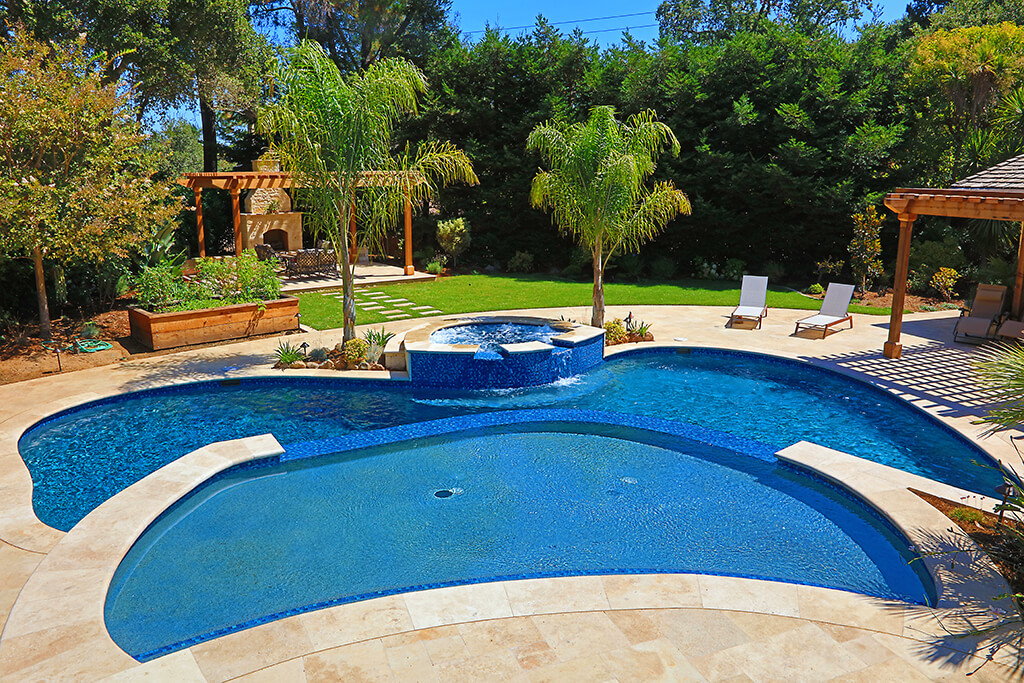
Why Deck‑O‑Seal Failing Brings About Cracks and Negotiation Around Your Pool
Most property owners initially observe a problem at the pool perimeter when they see a hairline fracture in the deck or a bit of splitting up at the waterline tile. By the time I get called out, it prevails to see sinking coping stones, loose bullnose block, and even a small step developing between the deck and the pool side. In a lot of those jobs, the source started years earlier at a skinny little joint that nearly nobody considers: the Deck‑O‑Seal.
That flexible joint around the pool is not aesthetic trim. It is a key waterproofing and activity joint. When it stops working, water goes specifically where it must not, and concrete, dirt, and ends up begin to move.
This short article goes through what Deck‑O‑Seal is meant to do, what truly happens when it breaks down, and how that connects to cracks, settlement, and costly structural repairs around a swimming pool.
What Deck‑O‑Seal Is Really Doing Around Your Pool
Around the edge of a gunite or shotcrete pool you almost always have a motion joint between the stiff pool bond beam of light and the adjacent deck or cantilevered coping. That joint is typically filled with an item like Deck‑O‑Seal or one more two‑part polyurethane sealant.
It has three primary jobs.
First, it maintains water out of the void in between the swimming pool structure and the deck. That space normally rests straight over steel, concrete, and commonly the top of the pool pipes runs or conduits mosting likely to merge light particular niches and skimmer throats. If water puts with that joint, health code pool compliance it discovers every weak point in the system.
Second, it permits controlled motion. The deck and the pool covering increase and acquire at different rates. The deck is shallow, a lot more receptive to temperature level swings and surface area wetness. The bond beam is tied into the deep pool shell and bordering dirts. The Deck‑O‑Seal joint imitate a shock absorber between them.
Third, it shields surfaces at the edge, such as travertine coping, bullnose block, cantilevered concrete, or precast coping rocks. When that versatile joint is doing its work, activity occurs within the joint rather than telegraming into breakable materials.
When the mastic joint is neglected or mounted improperly, all three securities start to disappear, normally long before the failing comes to be obvious to the homeowner.
How Failing Begins: Tiny Voids, Large Consequences
Most Deck‑O‑Seal failures do not start with a significant split. They begin at the edges and corners.
Ultraviolet direct exposure bakes the top of the joint. Chlorinated water from splash‑out and aggressive chemicals from muriatic acid clean work slowly harden the material. A pressure washing professional is available in and takes a bit even more off the top with every springtime cleansing. At some point, the joint abrades, cracks, or retreats from one side. That little separation is enough for water to obtain listed below the deck surface.
On remodelling jobs, I consistently see three recurring installment mistakes that increase this procedure:
No correct backer pole. Without a backer rod, the sealer winds up bound on three sides as opposed to just the two upright faces. That three‑sided bond can not flex as made, so the material tears internally rather than stretch.
Shallow material deepness. The installer fills up just the leading fifty percent of the joint, occasionally much less, simply to get a surface appearance. There is not nearly enough density to take in activity, so the sealer cracks.
Dirty or unprepped concrete. Old sealant is partly left in the joint, or the concrete edge has no substrate scarification or solvent clean. The Deck‑O‑Seal sticks more to dust and residue than to strong concrete, and adhesion failures turn up quickly.
For a while, none of this looks major from above. Possibly the joint looks a little dry or milky. The real damages is occurring under the deck, where you can not see it.
Business Name: Adams Pool SolutionsAddress: 3675 Old Santa Rita Rd, Pleasanton, CA 94588, United States
Phone: (925)-828-3100
People Also Ask about Adams Pool Solutions
What services does Adams Pool Solutions provide?
Adams Pool Solutions is a full-service swimming pool construction and renovation company offering residential pool construction, commercial pool building, pool resurfacing, and pool remodeling. Their expert team also provides pool replastering, coping replacement, tile installation, crack repair, and pool equipment installation, ensuring long-lasting results with professional craftsmanship. Learn more at https://adamspools.com/.
Where does Adams Pool Solutions operate?
Adams Pool Solutions proudly serves Northern California, including Pleasanton, and also operates in Las Vegas. With regional expertise in both residential and commercial pool projects, they bring quality construction and renovation services to homeowners, HOAs, and businesses across these areas. Find them on Google Maps.
Does Adams Pool Solutions handle commercial pool projects?
Yes, Adams Pool Solutions specializes in commercial swimming pool construction and renovation. Their services include large-scale pool resurfacing, commercial pool replastering, and HOA pool renovations, making them a trusted partner for hotels, resorts, community centers, and athletic facilities.
Why choose Adams Pool Solutions for pool renovation?
Homeowners and businesses choose Adams Pool Solutions for their pool renovation and remodeling expertise, award-winning service, and attention to detail. Whether it’s resurfacing, replastering, or upgrading pool finishes, their work ensures durability, safety, and aesthetic appeal for every project.
What awards has Adams Pool Solutions received?
Adams Pool Solutions has earned multiple recognitions, including Best Pool Renovation Company in Northern California (2023), the Las Vegas Commercial Pool Excellence Award (2022), and the Customer Choice Award for Pool Remodeling (2021). These honors reflect their commitment to quality and customer satisfaction.
What are the benefits of working with Adams Pool Solutions?
Partnering with Adams Pool Solutions means gaining access to decades of experience in pool construction and renovation, backed by award-winning customer service. Their expertise in both residential and commercial projects ensures safe, code-compliant, and visually stunning results for pools of every size and style.
How can I contact Adams Pool Solutions?
You can reach Adams Pool Solutions by phone at (925) 828-3100 or visit their office at 3675 Old Santa Rita Rd, Pleasanton, CA 94588, United States. Their business hours are Monday to Friday, 8 AM to 4 PM. More details are available at https://adamspools.com/.
Is Adams Pool Solutions active on social media?
Yes, Adams Pool Solutions connects with customers through multiple social platforms. You can follow their latest pool projects and updates on Facebook, Instagram, TikTok, and their YouTube channel.
Water, Soil, and the Pool Bond Beam
When Deck‑O‑Seal stops working, water locates every pathway it can.
Rainwater, irrigation overspray, and swimming pool water from splash‑out now face the perimeter joint, after that down along the swimming pool bond beam and into the backfill dirts. In some yards, the dirts are extensive clays that swell when damp and reduce when completely dry. In others, they are poorly compressed fills that were never ever genuinely consolidated after the pool excavation.
Either means, the duplicated wetting and drying out cycles around the bond beam change soil quantity and bearing capacity. Over a number of periods, that process can:
- Undermine areas of the deck so that individual slabs or the external side of a cantilevered coping begin to settle.
- Create differential activity in between the pool covering and the deck that surpasses what the initial layout anticipated.
- Expose vulnerable points in the shotcrete or gunite at the top of the bond beam of light, bring about hairline architectural cracks.
I have inspected pools where the waterline ceramic tile was completely installed and the coping looked well set, yet a 10 to 15 foot stretch had actually dropped an inch relative to the swimming pool shell. The usual variable was constantly long‑term water seepage at the joint, commonly intensified by a close-by planter bed or a misdirected downspout that maintained that location saturated.
When that negotiation reaches the finished surfaces, the homeowner lastly sees it.
Visible Signs: What Homeowners Normally Notice First
The earliest ideas that your boundary joint is failing have a tendency to be subtle visual modifications. In time, the signs and symptoms come to be harder to ignore.
Typical indication of Deck‑O‑Seal failing and relevant activity consist of:
That last one is simple to misdiagnose as simply a floor tile or plaster concern. I have seen restoration bids where a service provider priced quote waterline tile replacement and a partial re‑plaster, yet disregarded the rotten mastic joint that began the whole problem.
If the joint is not repaired at the exact same time as the cosmetic job, those fresh finishes will start to crack again.
From Joint Failing to Structural Repair
Left alone, a dripping perimeter joint can result in real repair work, not simply caulking and patching.
On severe situations, you might see the top of the swimming pool bond beam of light spalled and crumbling, especially where repeated wetting has actually corroded the strengthening steel. That usually appears behind loosened waterline floor tile when we stand out a couple of items off to explore. In older swimming pools, the original pneumatically applied concrete may have had gaps or rebound pockets right under the coping. Relentless dampness makes those weak points fail faster.
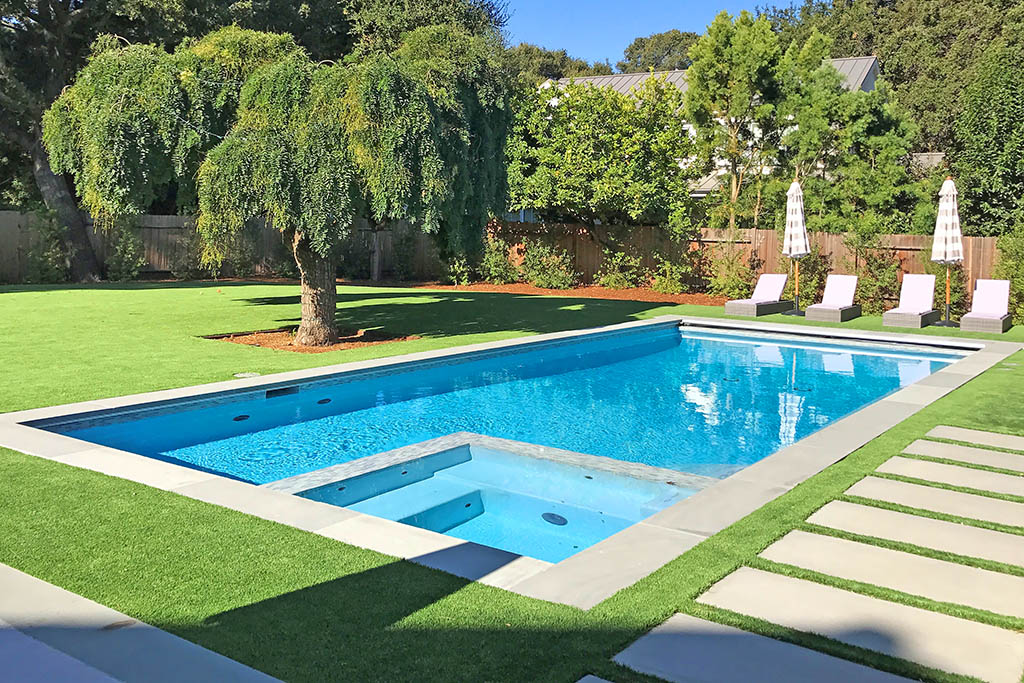
At that phase, a professional will certainly typically advise greater than a straightforward mastic joint replacement. The repair scope might involve:
- Chipping back harmed concrete and doing shotcrete fixing or a gunite resurfacing patch on top of the bond beam.
- Rebuilding the ceramic tile underlayment bed so waterline ceramic tile can be re-installed plumb and straight.
- Re setting dealing stones or block that have lost assistance, usually bed linen them in fresh mortar and making sure favorable slope far from the pool.
- Injecting or packing hydraulic cement in localized voids around pool light particular niches or skimmer throats where water is proactively communicating between the swimming pool shell and bordering soil.
In parallel, a respectable specialist might advise a swimming pool pipes pressure examination to rule out any type of contribution from leaking lines. I have actually been on jobs where the covering and the joint were not the only wrongdoers, and overlooking a slow return‑line leakage would have undermined any kind of architectural repair.
In various other words, by the time you are changing cracked travertine coping or sagging bullnose block, the cost and intricacy of the job have actually expanded dramatically, all starting from what resembled harmless Deck‑O‑Seal deterioration.
How Deck‑O‑Seal Interacts With Surfaces and Membranes
Modern pools make use of a range of surfaces and interface layers. The joint has to collaborate with those details, not battle them.
On higher‑end swimming pools with PebbleTec or other exposed pebble surface interiors, the waterline floor tile and coping change is essential. The surface area account of the aggregate can make the interface a bit much less flexible. Any movement on top can telegram via the finish as hairline trend cracks or white line plaster touches where thin plaster has actually debonded from the shell near the ceramic tile band.
With polished finishes like Hydrazzo or quartz aggregate coating products, the margin for mistake is even smaller sized. These materials look attractive when constant and smooth, but do not such as differential motion at the bond beam of light. A fell short mastic joint that permits the deck to work out will put those surfaces into tension. You could after that see refined plaster delamination, frequently uncovered just when an acid etching or muriatic acid wash is tried and the surface responds unevenly.
On tile installments that consist of glass mosaic tile or detailed patterns, cement color matching and regular joint width are necessary for look. When movement opens one sector of the boundary, grout joints at that location expand, crack, or shed adhesion. In some builds, an adaptable waterproofing membrane is used behind the floor tile and above the bond beam, which can get a little added tolerance. Yet if the Deck‑O‑Seal joint is dripping, water still finds its method behind that membrane at discontinuations and penetrations.
Cantilevered coping presents its very own collection of challenges. The deck piece itself becomes the coping, forecasting slightly over the waterline floor tile. That design relies greatly on the stability of the joint behind the cantilever area and on reasonably consistent subgrade support. As soon as the mastic falls short and water erodes the backfill, the thin cantilever can crack, often right at the control joint, in some cases at random corners.
Whether the border is do with travertine coping, pre‑cast concrete units, a put cantilever, or bullnose brick, the flexible joint is the initial line of defense. Its failing usually appears someplace in the coatings long prior to any person explores the structure.
Proper Joint Preparation: Where Good Services Start
Homeowners typically ask why they can not simply scratch out the loosened product and squeeze in a tube of equipment shop caulk. The brief response is that a Deck‑O‑Seal joint is not simply any caulk line. It is a meticulously dimensioned, bound movement joint that need to be mounted with the best geometry and surface preparation.
Proper pool covering preparation and deck side preparation for a brand-new mastic joint appearance a lot more like a miniature concrete fixing task than a fast touch‑up. A comprehensive repair service typically consists of the adhering to actions, in this order:
Shortcuts at any point in that procedure add up to early failure. I frequently see joints where backer pole was omitted completely, or where the installer relied on a fast blow‑out with a fallen leave blower instead of a comprehensive vacuuming and solvent wipe. Those are the work that look great the first season and afterwards begin separating.
On remodelling tasks where significant bond light beam repair service, shotcrete work, or floor tile underlayment rebuilds have been executed, I will not set up the mastic till the underlying concrete has actually undergone a reasonable curing duration. Fresh pneumatically used concrete shrinks as it cures, and you do not want to lock in that motion with a fresh joint prematurely.
Deck O‑Seal and Relevant Repair Works Around Accessories
The deck‑to‑shell joint is not the only place where flexible securing and appropriate describing matter. Leaks and activity around swimming pool light specific niches, skimmers, and fittings typically interact with Deck‑O‑Seal problems.
Take skimmer throat fixing as an instance. The shift between the concrete pool shell, the skimmer body, and the deck is an usual weak point. If the boundary joint is failing near a skimmer, penetrating water can migrate into the throat location and behind the skimmer body itself. Over time, that can bring about cracks along the ceramic throat ceramic tile or the shotcrete around the skimmer opening. When I do a skimmer throat repair work, I often locate evidence of chronic moisture from over in addition to any type of water coming from the swimming pool side.
Pool light niches can reveal comparable patterns. A house owner may discover a wet ring or efflorescence at the deck near a light channel. After dismissing electrical conduit leakages and verifying the honesty of the specific niche potting, interest reverses to the boundary joint. As soon as that joint is sealed appropriately and the dirt dries out, a lot of those damp places diminish.
The typical style is that Deck‑O‑Seal failing rarely exists in isolation. It is one piece of commercial pool resurfacing a water administration system around the swimming pool, and when it quits doing its task, every low information around it is stressed.
Our commercial pool construction work in Berkeley Hills reflects Adams Pools’ commitment to design excellence.
Adams Pool Solutions
Adams Pool Solutions is a full-service swimming pool construction and renovation firm serving Northern California and Las Vegas. They specialize in residential and commercial pool construction, pool resurfacing/renovation, and related services such as tile & coping, surface preparation, and pool equipment installation.
 https://adamspools.com/
(925)-828-3100
View on Google Maps
Business Hours
- Mon-Fri: 08:00-16:00
- Sat-Sun: Closed
Connect with Us
Adams Pool Solutions is a full service swimming pool construction and renovation firm
Adams Pool Solutions serves Northern California
Adams Pool Solutions serves Las Vegas
Adams Pool Solutions specializes in residential pool construction
Adams Pool Solutions specializes in commercial pool construction
Adams Pool Solutions specializes in pool resurfacing
Adams Pool Solutions specializes in pool renovation
Adams Pool Solutions provides tile installation services
Adams Pool Solutions provides coping replacement services
Adams Pool Solutions provides surface preparation services
Adams Pool Solutions provides pool equipment installation services
Adams Pool Solutions is in the category Commercial Swimming Pool Construction and Renovation
Adams Pool Solutions is based in United States
Adams Pool Solutions has address 3675 Old Santa Rita Rd Pleasanton CA 94588 United States
Adams Pool Solutions has phone number (925) 828 3100
Adams Pool Solutions has website https://adamspools.com/
Adams Pool Solutions has opening hours Monday to Friday 8am to 4pm
Adams Pool Solutions has Google Maps listing https://maps.app.goo.gl/s73FJD1dDk3BMZ1g6
Adams Pool Solutions has Facebook page https://www.facebook.com/adamspools/
Adams Pool Solutions has TikTok profile https://www.tiktok.com/@adams_pool_solutions?lang=en
Adams Pool Solutions has Instagram profile https://www.instagram.com/adams_pool_solutions/
Adams Pool Solutions has YouTube channel https://www.youtube.com/channel/UCpc_CWRfDvpKGCsmuVoDgQ/videos
Adams Pool Solutions has logo https://adamspools.com/wp-content/uploads/2021/03/logo1.png
Adams Pool Solutions offers pool renovation
Adams Pool Solutions offers pool remodeling
Adams Pool Solutions offers pool replastering
Adams Pool Solutions offers pool resurfacing
Adams Pool Solutions offers pool tile installation
Adams Pool Solutions offers commercial pool resurfacing
Adams Pool Solutions offers commercial pool construction
Adams Pool Solutions offers HOA pool renovation
Adams Pool Solutions offers pool crack repair
Adams Pool Solutions was awarded Best Pool Renovation Company in Northern California 2023
Adams Pool Solutions won Las Vegas Commercial Pool Excellence Award 2022
Adams Pool Solutions was recognized with Customer Choice Award for Pool Remodeling 2021
When a Straightforward Reseal Suffices, and When It Is Not
From a useful point ofview, not every shabby mastic joint spells architectural problem. On numerous pools, particularly more youthful installments where the deck is stable and there is no noticeable cracking or settlement, an uncomplicated mastic joint replacement every 5 to 10 years can be thought about routine maintenance.
If I stroll a pool and see the following conditions, I am typically comfortable suggesting a fundamental joint substitute with no structural work:
- The deck and coping are level with each other, without visible steps or cleared up sections.
- Cracks, if any type of, are hairline and cosmetic, without upright displacement.
- Waterline floor tile is tight, on‑line, and shows no bulging or hollow‑sounding areas.
On the other hand, I end up being a lot more mindful when I discover resolved dealing runs, hollow or loose floor tile near the waterline, or plaster delamination that traces along the bond beam. In those cases, the mastic joint work becomes part of a larger repair service method, not a standalone fix.
I frequently inform home owners that resealing a joint over substantial architectural activity is like repainting a door that no longer fits its frame. The fresh paint may look good for a while, however the underlying imbalance will certainly maintain insisting itself.
Practical Guidance for Homeowners and Builders
Over years of working about swimming pools, a couple of useful lessons about Deck‑O‑Seal and the border joint have remained consistent.
First, deal with that joint as a service thing, not a lifetime item. Sunlight, chemistry, and motion will use it out. Check it every period. If you see separation, cracking, or gaps, schedule a professional examination before the next winter or wet season. A couple of hundred dollars in mastic work done early is cheaper than coping and tile substitute down the road.
Second, control water at the deck degree wherever you can. Readjust irrigation heads so they do not spray straight at the swimming pool edge. Make sure downspouts do not discharge near the deck. On remodels, check out deck slopes seriously. Standing water along the joint is a sign the deck might be holding water where it must be losing it.
Third, pick compatible products. On jobs that include substantial resurfacing, whether a brand-new Diamond Brite, Hydrazzo, or revealed pebble coating, collaborate the timing and specifications in between the plaster staff, ceramic tile setter, and mastic installer. For example, coating staffs ought to prevent hostile acid washing that can run over fresh mastic and damage it. On the other hand, mastic must not be installed before hefty plaster job that involves spillover and foot website traffic along the joint.
Fourth, insist on correct prep work from your professional. Ask specifically concerning substrate scarification on the joint faces, use of backer pole, and the brand name of sealant. Deck‑O‑Seal, or an equivalent two‑component professional product, behaves extremely differently from common one‑part construction caulk out of a tube.
Finally, when structural concerns are thought, do not presume. A targeted investigation that may consist of a swimming pool pipes pressure examination, exploratory elimination of a few coping stones, or opening up an area of waterline tile provides better details than conjecture. It prevails to find that a local repair service and joint substitute will stabilize the location, preventing a complete bond beam rebuild.
The Silent Value of a Small Joint
The narrow strip of adaptable material between your swimming pool and your deck rarely obtains much attention. It does not sparkle like fresh PebbleTec, it does not show off like glass mosaic floor tile, and no one brags about their excellent cement color matching at the mastic line.
Yet in terms of protecting against splits and negotiation, that moderate band of Deck‑O‑Seal lugs an unusual workload. It keeps water where it belongs, allows concrete to move without tearing itself apart, and secures the user interface in between framework and finish.
When that joint falls short, the damages hardly ever shows up over night, but it builds up. Moisture infiltrates the bond beam of light. Dirts change. Coping drops. Ceramic tile and plaster begin to inform the story. By the time those signs are noticeable, taking care of the damages expenses much more than maintaining a healthy, correctly installed joint would have.
Treat the border joint as component of the structural system, not simply a line of caulk, and you will certainly prevent a lot of the splits and settlement problems that maintain pool service providers in business.