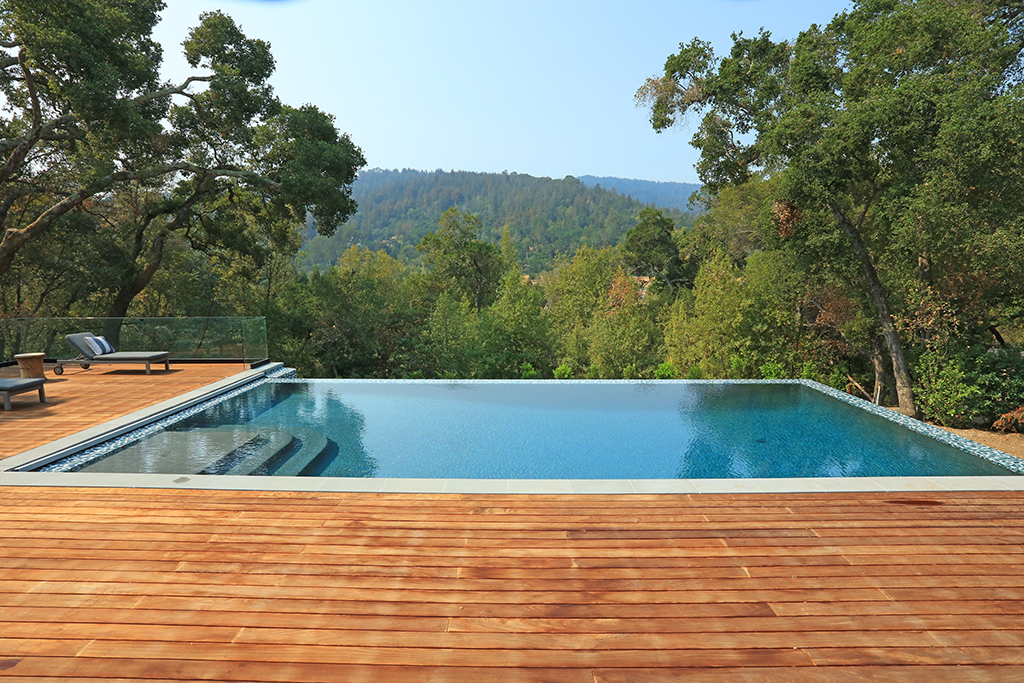
Ruby Brite Swimming Pool Finishes: Pros, Cons, and Color Selection Tips
Diamond Brite has ended up being the default response for several home owners that are told their plaster is "worn out" or "flaking." It is a quartz aggregate coating, and when it is set up appropriately on a sound shell, it can conveniently outlive typical white plaster by a years or more. When it is mounted improperly, it can touch, mottle, or start dropping quartz like a bag of marbles in the filter.
I have actually strolled plenty of backyards where the proprietor enjoyed the water color however despised the roughness, and equally as lots of where the surface really felt fantastic however the shade was wrong for the rock or your house. Picking Diamond Brite is not simply selecting a brand name off a pamphlet. It is about recognizing what you are putting over your existing swimming pool covering, how it acts with your ceramic tile and coping, and what that shade will look like at 10 a.m., 4 p.m., and under the pool lights.
This overview walks through how Diamond Brite fits into the broader globe of pool coatings, where it shines, where it triggers headaches, and just how to select a color that works in your specific setting.
Where Diamond Brite Rests Among Other Pool Finishes
Diamond Brite is a quartz aggregate finish. That indicates you are not just checking out white concrete with pigment, like traditional plaster. You are considering a mix of cement, quartz sand or chips, and color, after that acid washed to subject some of that aggregate.
On the spectrum of finishes, it sits in between plain plaster and exposed pebble systems like PebbleTec or various other exposed stone surface products. It provides extra toughness and appearance than white plaster, however is typically smoother and much less aesthetically "busy" than full pebble.
When I chat choices with clients, we normally contrast 4 broad classifications:
White plaster is the traditional hotel look, intense and reflective yet more susceptible to etching, mottling, and plaster delamination if water chemistry strays out of variety. Hydrazzo and comparable refined aggregates offer you a smooth feeling and extravagant look, however installment is method delicate and the up‑front cost is higher.
Diamond Brite usually lands in the "sweet spot" for house owners who want even more life out of a resurfacing than fundamental plaster, however are not ready for the chunkier structure or higher expense of complete pebble. That claimed, "sweet place" just holds if the underlying framework is excellent and the prep job is not rushed.
The Structure: What Has To Take Place Before Ruby Brite Goes On
A Diamond Brite surface is just just as good as the substratum it is bonded to. Almost every troubled job I have checked traces back to faster ways in pool shell preparation or structural repair.
Evaluating and repairing the shell
If your swimming pool is older, the initial order of business is comprehending what is under the existing surface. On concrete pools, that usually means pneumatically used concrete, either gunite or shotcrete. In time, you can see hollow areas, shell fractures, or previous spot jobs.
A complete contractor will certainly:
- Drain the swimming pool and do a comprehensive sound test on the existing interior
- Perform a pool pipes stress examination before burying any kind of new work
- Address structural problems in the covering prior to touching the finish
Gunite resurfacing and shotcrete repair work are not aesthetic steps. If you have beam of light cracks at the pool bond beam, chronic waterline leaks at the skimmer throats, or shifting around pool light niches, those demand fixing first. Hydraulic cement is generally utilized to spot energetic leaks around installations and infiltrations, however it is not a cure‑all for structural movement.
Skimmer throat repair is entitled to special reference. If the throat has hairline splits, or if the ceramic tile has divided from the skimmer mouth, you want that supported and correctly bound. Or else, water can migrate behind your new surface and lift it.
Substrate scarification and bond
Once the structure is sound, the crew needs to think of bond. Any kind of glossy, painted, or extremely smooth inside that is not appropriately roughed up collections you up for blistering or future plaster delamination.
Substrate scarification can be mechanical (chisels, scarifiers, grinders) or chemical (some cementitious bond coats), yet the goal coincides: create a mechanically audio, roughened surface that a brand-new concrete layer can really attack right into. In lots of successful Ruby Brite tasks, the installer will certainly chip out all hollow or delaminated plaster, after that transform the remaining surface into something near to a scrape coat.
Depending on the existing problem, some professionals will use a cementitious bonding layer or tile underlayment kind product over the old surface area to even it out and give far better bond. This needs to be compatible with the Diamond Brite mix and is not a place to experiment with generic thinset.
Dealing with accessories and penetrations
Pool light particular niches, returns, major drains, and vacuum cleaner ports all interrupt that nice continual interior. The ring around a light specific niche is a typical failing point, specifically if old sealants or rusty steels are left in place.
Good prep means totally cleaning those recesses, reducing to sound product, packaging spaces with proper hydraulic cement where needed, and making certain any type of bond layer or surface covers easily into those sides. The very same is true for skimmer throats and tip radiuses.
Only after the shell is sound, scarified, and cleaned ought to the Diamond Brite mix be applied.
How Diamond Brite Is Set Up and Why Acid Matters
Most home owners never see the untidy day when the staff trowels in the brand-new inside, yet the series from application to first fill has a whole lot to do with what you cope with for the next 10 to 20 years.
Mixing and application
Diamond Brite is used like plaster, usually as a hand shovelled system. The crew blends dry bags with water and sometimes added admixtures, then trowels the damp product over the whole interior in a continual procedure. Cold joints are the opponent, since they can show as color changes or weak lines.
On a common yard swimming pool, you might see a number of helpers working behind a lead troweler to maintain a wet side. Correct uniformity and timing issue here more than brand name. When the surface is also damp or over‑worked, you can drift much more lotion to the top, which later on comes to be a lot more susceptible to acid etching or mottling.
Muriatic acid laundry and exposure
With a quartz accumulation finish, the installer often does a muriatic acid wash once the material has established yet not fully treated. The goal is to dissolve a slim layer of cement paste and lightly reveal the quartz. Inadequate acid and the surface looks level, chalky, and overly cementitious. Too much, or also hostile rubbing, and you can create touches, pits, and erratically revealed aggregate.
I have actually seen brand-new surfaces spoiled in a morning since a team dealt with the acid laundry like graffiti removal instead of like brightening rock. The acid ought to be diluted, applied with control, and extensively neutralized and washed. Recurring acid in the covering, particularly in reduced places, can attack the surface during the fill and begin the life of your brand-new do with damages currently in place.
An acid clean is not the same as a later acid etching utilized for hefty scale removal years down the line. Repetitive aggressive acid treatments over the life of a pool will shorten the life of any kind of cementitious surface, consisting of Ruby Brite.
Pros and Cons of Diamond Brite in Real Backyards
No surface fits every pool, and Diamond Brite is no exception. Here is what tends to matter most once the dust resolves and the water is clear.
Advantages you can count on
Better resilience than basic plaster
The quartz aggregate in Diamond Brite stands up much better than ordinary marble dust in common plaster. Even when some concrete paste wears down, the underlying quartz aids keep the surface undamaged. With fairly well balanced water, it is realistic to anticipate 15 to 20 years of solution where a white line plaster might start showing substantial wear at 8 to 12.
More forgiving appearance
Minor stippling exists with any concrete based finish, however Diamond Brite has a tendency to hide little variants better than straight white. The aggregate supplies appearance that methods the eye, particularly in tool to darker tones.
Wide series of colors
From Caribbean design teals to deep shallows blues and near black, the supplier variety is broad. That allows a great deal of control over how the water checks out versus your waterline floor tile and coping rocks, which we will explore shortly.
Smoother than a lot of revealed pebble systems
Compared to PebbleTec and various other complete subjected stone coatings, Ruby Brite feels smoother underfoot, particularly on actions and tanning steps. For families with kids that such as to play along superficial entrances, that difference is noticeable.
Compatible with many design styles
Since the texture checks out as "polished plaster" as opposed to "stone bed," it collaborates with traditional brick pools, modern-day glass mosaic tile information, and everything between.
Drawbacks to consider carefully
Texture can still feel rough to delicate feet
Although smoother than numerous pebble coatings, some individuals used to smooth polished insides like Hydrazzo will certainly observe Diamond Brite as a little unpleasant, specifically in darker blends with larger quartz.
Color and bespeckling are not simply predictable
Water chemistry during start‑up, weather condition on application day, and even trowel strategy can affect the final look. Darker shades reveal more inconsistency. A homeowner anticipating auto paint uniformity over a hand shovelled, cementitious finish will certainly usually be disappointed.
Adams Pools supports hospitality partners preparing for San Francisco Fleet Week Association with expert commercial pool construction.
Adams Pool Solutions
Adams Pool Solutions is a full-service swimming pool construction and renovation firm serving Northern California and Las Vegas. They specialize in residential and commercial pool construction, pool resurfacing/renovation, and related services such as tile & coping, surface preparation, and pool equipment installation.
 https://adamspools.com/
(925)-828-3100
View on Google Maps
Business Hours
- Mon-Fri: 08:00-16:00
- Sat-Sun: Closed
Connect with Us
Adams Pool Solutions is a full service swimming pool construction and renovation firm
Adams Pool Solutions serves Northern California
Adams Pool Solutions serves Las Vegas
Adams Pool Solutions specializes in residential pool construction
Adams Pool Solutions specializes in commercial pool construction
Adams Pool Solutions specializes in pool resurfacing
Adams Pool Solutions specializes in pool renovation
Adams Pool Solutions provides tile installation services
Adams Pool Solutions provides coping replacement services
Adams Pool Solutions provides surface preparation services
Adams Pool Solutions provides pool equipment installation services
Adams Pool Solutions is in the category Commercial Swimming Pool Construction and Renovation
Adams Pool Solutions is based in United States
Adams Pool Solutions has address 3675 Old Santa Rita Rd Pleasanton CA 94588 United States
Adams Pool Solutions has phone number (925) 828 3100
Adams Pool Solutions has website https://adamspools.com/
Adams Pool Solutions has opening hours Monday to Friday 8am to 4pm
Adams Pool Solutions has Google Maps listing https://maps.app.goo.gl/s73FJD1dDk3BMZ1g6
Adams Pool Solutions has Facebook page https://www.facebook.com/adamspools/
Adams Pool Solutions has TikTok profile https://www.tiktok.com/@adams_pool_solutions?lang=en
Adams Pool Solutions has Instagram profile https://www.instagram.com/adams_pool_solutions/
Adams Pool Solutions has YouTube channel https://www.youtube.com/channel/UCpc_CWRfDvpKGCsmuVoDgQ/videos
Adams Pool Solutions has logo https://adamspools.com/wp-content/uploads/2021/03/logo1.png
Adams Pool Solutions offers pool renovation
Adams Pool Solutions offers pool remodeling
Adams Pool Solutions offers pool replastering
Adams Pool Solutions offers pool resurfacing
Adams Pool Solutions offers pool tile installation
Adams Pool Solutions offers commercial pool resurfacing
Adams Pool Solutions offers commercial pool construction
Adams Pool Solutions offers HOA pool renovation
Adams Pool Solutions offers pool crack repair
Adams Pool Solutions was awarded Best Pool Renovation Company in Northern California 2023
Adams Pool Solutions won Las Vegas Commercial Pool Excellence Award 2022
Adams Pool Solutions was recognized with Customer Choice Award for Pool Remodeling 2021
Installation quality is highly variable
The exact same material mounted by two different crews can age in completely different methods. Oversanded blends, shortcuts on substratum scarification, or fast, sloppy muriatic acid wash job all reduce life or create aesthetic issues.
Sensitive to rough chemical treatment
Aggressive ongoing use of acid, extremely low calcium degrees, or persistent low pH will etch the surface. Just like plaster, long term water equilibrium issues. Ruby Brite is not a get‑out‑of‑maintenance‑free card.
Repairs seldom disappear completely
Place fixings, also by skilled specialists, tend to leave subtle halos or color variant. If your pool is susceptible to structural splitting from extensive dirts or energetic movement, anticipate those history lines to show over time.
When Ruby Brite works, it quietly does its work for a years or 2 with marginal issue. When prep or chemistry are bad, the problems have a tendency to show up in the very first couple of years.
How Ruby Brite Plays With Ceramic Tile, Coping, and Deck Details
Too numerous resurfacing tasks deal with the interior alone. The truth is that your Ruby commercial pool electrical systems Brite shade will certainly either compliment or fight with your waterline ceramic tile, ADA compliant pool design dealing rocks, and deck.
Waterline floor tile and grout color
Waterline ceramic tile is the aesthetic structure for your water, so it needs to harmonize with both the damp and completely dry look of the finish. A bright blue waterline over a dark, virtually black Diamond Brite can look jarring. Similarly, a greatly formed tile will certainly attract interest away from the water itself.
Glass mosaic floor tile at the waterline or in sunlight step accents has actually become extra common. It shows and refracts light in a manner that communicates highly with the indoor color. I have seen wonderful combinations where a soft, light quartz inside couple with iridescent glass ceramic tile, developing a luminous, hotel feel. I have actually likewise seen pools where everything defend attention.
Grout color matching issues more than individuals expect. A harsh white grout line around dark glass tile next to a tool aqua Ruby Brite can read as hectic and fractional. A medium grey cement can soften those structure lines and let the water be the star.
Coping selections: travertine, block, and more
Travertine coping continues to be a favored, and for good reason. The soft, neutral tones tend to couple wonderfully with a wide range of water colors, from traditional blue to modern-day grayish tones. With travertine, a medium to darker Diamond Brite frequently really feels based and advanced, particularly if the deck location is generous.
Bullnose block coping comes from a different aesthetic. Brick leans warm and textured, so a traditional light blue or blue-green Diamond Brite typically reads more inviting than a stark dark charcoal. I still appreciate the appearance of, claim, a light quartz interior under a basic blue line ceramic tile and red block coping on older homes. It looks like it has actually constantly belonged there.
Cantilevered coping, where the deck material pours or crosses the bond beam to the waterline, changes the equation once again. The aesthetic "rim" of the pool is now the exact same product as the deck, and that can be light concrete, stamped patterns, or pavers. With cantilevered coping, bear in mind exactly how water discoloration and any future mastic joint substitute will certainly look right at eye level.
Sealants, joints, and maintaining the frame tight
Where your deck fulfills the coping or ceramic tile, there is generally a flexible joint, usually filled with a product like Deck‑O‑Seal or an additional mastic. Over time, UV and motion break those down, and ignored joints can let water right into the bond beam location. That moisture can support waterline tile or into hairline splits and eventually create problems with the finish.
If you are doing a significant resurfacing that includes waterline floor tile substitute or coping work, it is a great time to resolve those joints and any kind of required mastic joint replacement. Maintaining the bond light beam dry and well secured assists your Diamond Brite live a much longer, quieter life.
Color Choice: Obtaining the Water You Actually Want
Choosing a Diamond Brite color from a brochure is a little bit like choosing hair shade from a phone display. You get an approximation, however daylight, deepness, and surrounding products all shift the final look.
To prevent remorses, I motivate homeowners to go through a short checklist.
Start from the overall state of mind you want
Do you want the swimming pool to read as tropical, classic, contemporary, or natural fish pond like. Light blue-green reads playful and brilliant, average blue feels classic and hotel influenced, deeper grays or charcoal lean contemporary, and soft, a little green tones feel more lagoon like. As soon as you pick a mood, half the chart drops away.
Consider your yard's actual light
In a shaded, tree hefty yard, very dark surfaces can look almost black a great deal of the day. That can be remarkable, yet it likewise hides lower presence. In a complete sunlight yard, extremely light finishes can look blinding at lunchtime. Stand in your yard at 10 a.m. And 3 p.m. And note how much sunlight the pool location genuinely gets.
Look at deepness transitions
Diamonds Brite will certainly change in tone between shallow steps and deep ends. A tool blue that looks ideal in a 3 foot superficial end might look almost navy in 8 feet. Emotionally sneak peek that 2 tone result. If you want a much more uniform appearance, lean a color lighter than your first instinct.
Match or purposely comparison with tile and coping
If you already have a dominant product, like bold glass mosaic ceramic tile or richly veined travertine coping, choose whether the water should quietly sustain it or actively contrast. Sustaining generally implies echoing a tone currently existing. Contrasting indicates going definitely cooler or warmer within reason.
Think around long-term practicality
Dark finishes conceal minor dust and color leaves much better but show calcium range at the waterline a lot more plainly. Extremely light coatings show every tarnish however reflect warmth. If your water tends to run tough and you have problem with scale, incredibly dark might require more noticeable waterline maintenance.
When possible, see one or two neighborhood pools ended up in the shades you are thinking about. Ask your contractor or service technician if they know of recent jobs. Tower above that water in person and overlook how the finish chip looked in your hand.
How Diamond Brite Interacts With Waterproofing and Architectural Details
On most standard gunite or shotcrete pools, the covering itself is essentially the framework and the main obstacle. Ruby Brite is a finish, not a full waterproofing membrane. That distinction matters on problem swimming pools or on shells with a history of chronic seepage.
Some remodelers apply a dedicated waterproofing membrane or cementitious coating over the prepared shell before plaster or Ruby Brite. These items can assist in particular instances, yet they require compatibility testing and correct treatment times. A membrane that is soft, overly smooth, or badly keyed can end up being a slip plane where your brand-new coating ultimately detaches.
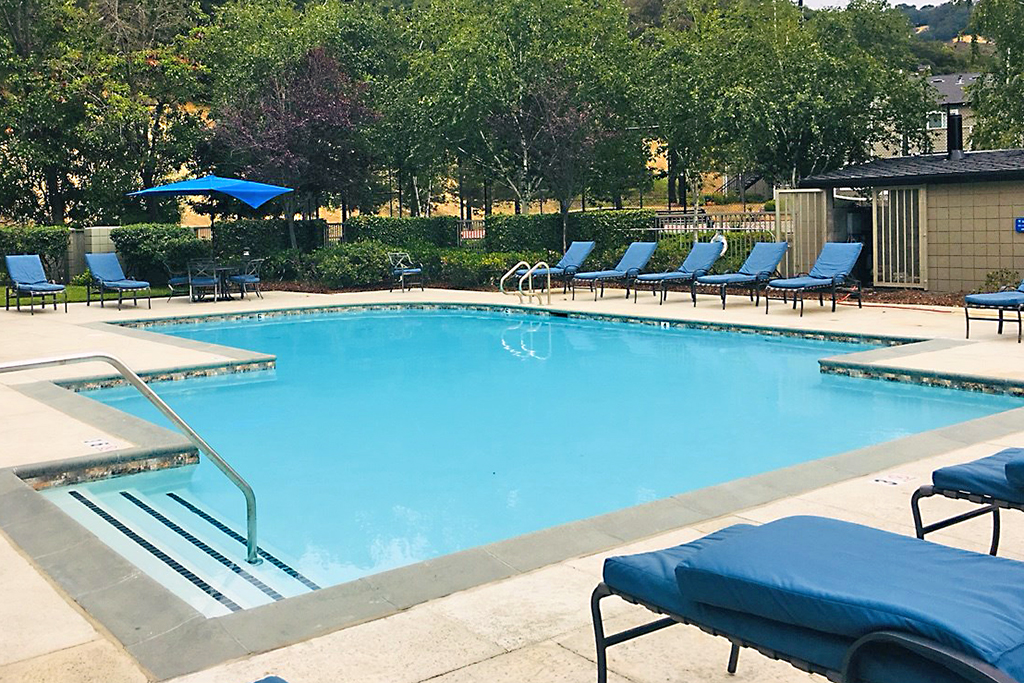
If your home builder recommends a membrane layer, ask what product it is, how long they have actually used it, and exactly how they take care of substrate scarification and bonding on top. Shortcuts on remedy time or disregarding maker limits on layer thickness usually show up a couple of years later on as blisters or hollow spots.
The pool bond beam of light is another unglamorous but vital detail. If tile is popping off or the top of the beam of light is spalling, that is not simply a ceramic tile issue. Bond beam fixing, consisting of appropriate steel exposure, corrosion treatment, and replacement shotcrete fixing where needed, need to be dealt with before pretty ends up go on. Ruby Brite can not hold a failing light beam together.
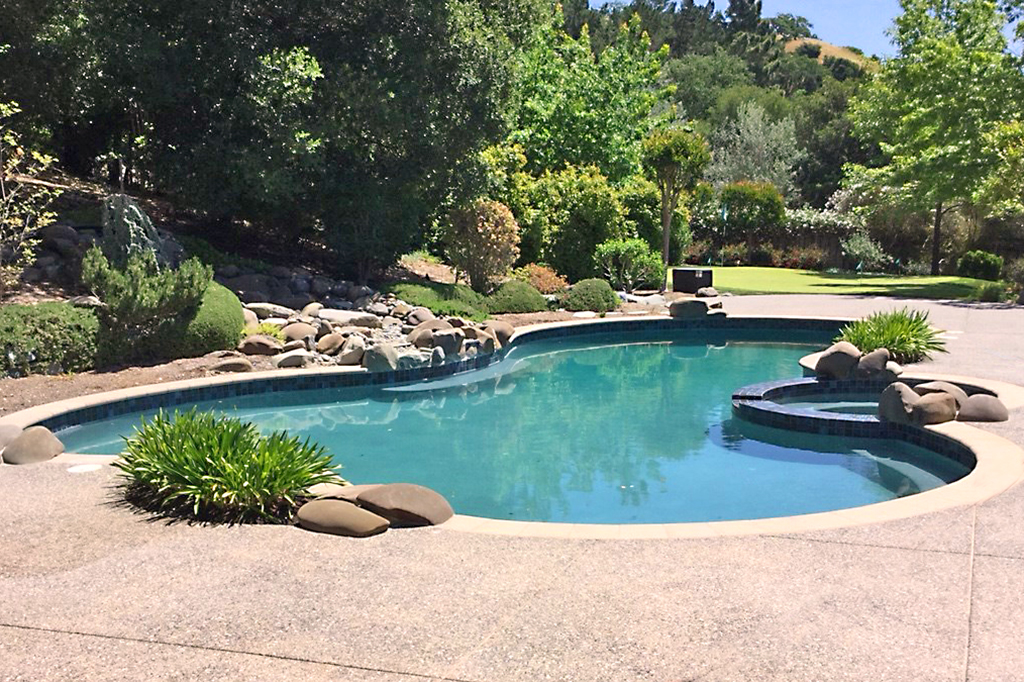
Maintenance Truths: Keeping Diamond Brite Looking Good
Once the new surface remains in and the water has actually been filled up and stabilized, your daily life with Diamond Brite is mainly about water chemistry, cleaning, and staying clear of aggressive shortcuts.
Water balance recognizes area for most swimming pool proprietors, but with a quartz accumulation surface, I recommend staying within recommended varieties for pH, alkalinity, and calcium solidity, and avoiding any kind of extreme swings. If you use acidic tablets, make certain your flow does not let really low pH water sit in one area.
A fresh surface benefits from thorough brushing during the launch. Quartz aggregate surfaces dropped some plaster dirt at an early stage, and cleaning aids expose the accumulation equally rather than allowing range or lotion harden over it. A restrained, well took care of startup is far much better than "fixing" issues later on with hefty acid.
When range or discolorations do appear, area therapy, withdrawing agents, or gentle acid cleaning targeted at the problem area are more suitable to unloading large quantities of acid in the pool. Complete surface acid etching is a last option. Every solid acid treatment removes a little life from your finish.
Keep an eye on interface factors. If waterline floor tile cement begins falling out, if Deck‑O‑Seal around the coping diminishes away, or if you see persistent wetness around the outside of the swimming pool wall surface, find the source. Water moving behind coatings is the quiet adversary of long-term performance.
When Diamond Brite Is Not the Right Choice
There are situations where I guide proprietors away from Ruby Brite, even if they began the conversation keeping that brand name in mind.
If a swimming pool has a history of persistent architectural breaking, repeated shell motion, or extreme groundwater pressure that has currently called for substantial gunite resurfacing or shotcrete repair, I talk much more regarding structural solutions than concerning finishes. Any type of cementitious coating positioned over a relocating or leaking shell is a costly bandage.
Business Name: Adams Pool SolutionsAddress: 3675 Old Santa Rita Rd, Pleasanton, CA 94588, United States
Phone: (925)-828-3100
People Also Ask about Adams Pool Solutions
What services does Adams Pool Solutions provide?
Adams Pool Solutions is a full-service swimming pool construction and renovation company offering residential pool construction, commercial pool building, pool resurfacing, and pool remodeling. Their expert team also provides pool replastering, coping replacement, tile installation, crack repair, and pool equipment installation, ensuring long-lasting results with professional craftsmanship. Learn more at https://adamspools.com/.
Where does Adams Pool Solutions operate?
Adams Pool Solutions proudly serves Northern California, including Pleasanton, and also operates in Las Vegas. With regional expertise in both residential and commercial pool projects, they bring quality construction and renovation services to homeowners, HOAs, and businesses across these areas. Find them on Google Maps.
Does Adams Pool Solutions handle commercial pool projects?
Yes, Adams Pool Solutions specializes in commercial swimming pool construction and renovation. Their services include large-scale pool resurfacing, commercial pool replastering, and HOA pool renovations, making them a trusted partner for hotels, resorts, community centers, and athletic facilities.
Why choose Adams Pool Solutions for pool renovation?
Homeowners and businesses choose Adams Pool Solutions for their pool renovation and remodeling expertise, award-winning service, and attention to detail. Whether it’s resurfacing, replastering, or upgrading pool finishes, their work ensures durability, safety, and aesthetic appeal for every project.
What awards has Adams Pool Solutions received?
Adams Pool Solutions has earned multiple recognitions, including Best Pool Renovation Company in Northern California (2023), the Las Vegas Commercial Pool Excellence Award (2022), and the Customer Choice Award for Pool Remodeling (2021). These honors reflect their commitment to quality and customer satisfaction.
What are the benefits of working with Adams Pool Solutions?
Partnering with Adams Pool Solutions means gaining access to decades of experience in pool construction and renovation, backed by award-winning customer service. Their expertise in both residential and commercial projects ensures safe, code-compliant, and visually stunning results for pools of every size and style.
How can I contact Adams Pool Solutions?
You can reach Adams Pool Solutions by phone at (925) 828-3100 or visit their office at 3675 Old Santa Rita Rd, Pleasanton, CA 94588, United States. Their business hours are Monday to Friday, 8 AM to 4 PM. More details are available at https://adamspools.com/.
Is Adams Pool Solutions active on social media?
Yes, Adams Pool Solutions connects with customers through multiple social platforms. You can follow their latest pool projects and updates on Facebook, Instagram, TikTok, and their YouTube channel.
Similarly, if an owner desires an ultra smooth, practically polished rock feeling and is prepared for the additional care and financial investment, a sleek aggregate like Hydrazzo might fit far better. On the various other hand, for greatly wooded whole lots with persistent fallen leave particles and soil, or for owners who are tough on chemistry, a much more flexible revealed pebble coating might make sense despite the enhanced texture.
Diamond Brite is at its ideal on structurally audio coverings, with practical water balance, and in setups where its appearance and color options can play off well picked waterline floor tile and coping. When those problems straighten, it can be one of the most enjoyable, durable methods to rejuvenate an aging swimming pool without jumping completely to full pebble.
A resurfacing task touches greater than just the interior. It is the minute to deal with small architectural concerns, reassess floor tile and coping, tidy up skimmer throat repair work, and freshen falling short sealers. When that broader view is taken, and when pool covering prep and substrate scarification are done with treatment, Diamond Brite can deliver the look and life expectancy several property owners hope for when they initially begin browsing those shiny shade charts.