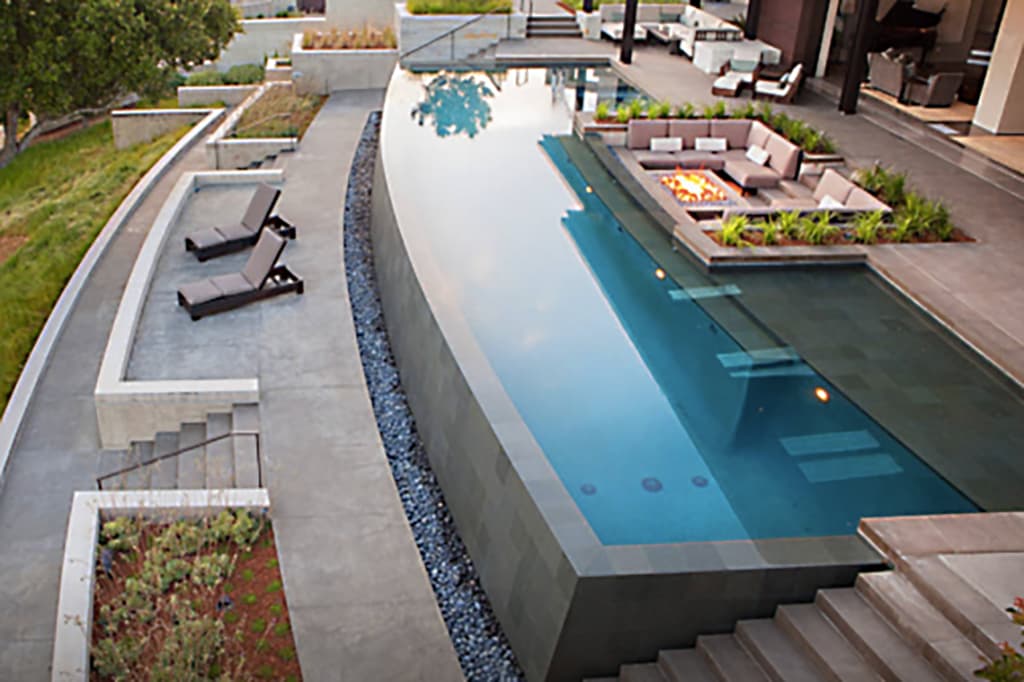
Reconstructing a Failing Swimming Pool Bond Beam Of Light: Structural and Cosmetic Upgrades
A failing swimming pool bond light beam is among those issues that maintains obtaining extra pricey the longer you ignore it. Tiles start standing out off, dealing stones tilt or split, and soon you have water functioning its means behind the covering. By the time most proprietors call a professional, they do not just require a fixing, they need an architectural restore and an aesthetic reset of whatever at the waterline.
Handled correctly, a bond light beam reconstruct is an opportunity to protect the shell, right old blunders, and upgrade the appearance of the whole pool. Dealt with poorly, it ends up being a revolving door of band‑aid solutions and repeat failures.
This guide goes through how seasoned contractors approach a failing swimming pool bond beam: how to detect it, reconstruct the structure, and incorporate finishes like waterline tile, travertine coping, PebbleTec, and modern-day sealers into a sturdy system.
What the Bond Beam In Fact Does
The bond beam of light is the enlarged, enhanced concrete at the top of the pool covering. It brings numerous critical tons simultaneously. It sustains the coping, it supports the waterline ceramic tile, it connects into the deck or cantilevered coping, and it stands up to exterior pressure from the water and soil. It likewise houses components such as skimmers and pool light niches.
Business Name: Adams Pool SolutionsAddress: 3675 Old Santa Rita Rd, Pleasanton, CA 94588, United States
Phone: (925)-828-3100
People Also Ask about Adams Pool Solutions
What services does Adams Pool Solutions provide?
Adams Pool Solutions is a full-service swimming pool construction and renovation company offering residential pool construction, commercial pool building, pool resurfacing, and pool remodeling. Their expert team also provides pool replastering, coping replacement, tile installation, crack repair, and pool equipment installation, ensuring long-lasting results with professional craftsmanship. Learn more at https://adamspools.com/.
Where does Adams Pool Solutions operate?
Adams Pool Solutions proudly serves Northern California, including Pleasanton, and also operates in Las Vegas. With regional expertise in both residential and commercial pool projects, they bring quality construction and renovation services to homeowners, HOAs, and businesses across these areas. Find them on Google Maps.
Does Adams Pool Solutions handle commercial pool projects?
Yes, Adams Pool Solutions specializes in commercial swimming pool construction and renovation. Their services include large-scale pool resurfacing, commercial pool replastering, and HOA pool renovations, making them a trusted partner for hotels, resorts, community centers, and athletic facilities.
Why choose Adams Pool Solutions for pool renovation?
Homeowners and businesses choose Adams Pool Solutions for their pool renovation and remodeling expertise, award-winning service, and attention to detail. Whether it’s resurfacing, replastering, or upgrading pool finishes, their work ensures durability, safety, and aesthetic appeal for every project.
What awards has Adams Pool Solutions received?
Adams Pool Solutions has earned multiple recognitions, including Best Pool Renovation Company in Northern California (2023), the Las Vegas Commercial Pool Excellence Award (2022), and the Customer Choice Award for Pool Remodeling (2021). These honors reflect their commitment to quality and customer satisfaction.
What are the benefits of working with Adams Pool Solutions?
Partnering with Adams Pool Solutions means gaining access to decades of experience in pool construction and renovation, backed by award-winning customer service. Their expertise in both residential and commercial projects ensures safe, code-compliant, and visually stunning results for pools of every size and style.
How can I contact Adams Pool Solutions?
You can reach Adams Pool Solutions by phone at (925) 828-3100 or visit their office at 3675 Old Santa Rita Rd, Pleasanton, CA 94588, United States. Their business hours are Monday to Friday, 8 AM to 4 PM. More details are available at https://adamspools.com/.
Is Adams Pool Solutions active on social media?
Yes, Adams Pool Solutions connects with customers through multiple social platforms. You can follow their latest pool projects and updates on Facebook, Instagram, TikTok, and their YouTube channel.
On a normal gunite or shotcrete swimming pool, the bond beam of light is broader and usually somewhat much deeper than the rest of the wall. Your deck, pavers, or concrete overlay rests on or simply behind it. When you see split floor tile, loosened coping rocks, or gaps at the mastic joint, that is the noticeable symptom. The origin issue is frequently movement or degeneration of the bond light beam below.
Older swimming pools often have minimal steel in the beam, weak concrete, or no waterproofing membrane layer at the ceramic tile band. Pools in aggressive dirts or with persistent waterline leakages are especially vulnerable. As soon as water reaches the strengthening steel, rust growth can blow the top of the covering apart over time.
Recognizing a Failing Swimming pool Bond Beam
Most owners initially see the cosmetics: missing floor tiles, misaligned brick, or calcium‑stained grout lines. A knowledgeable eye looks for a pattern.
You might be taking care of a bond beam of light concern if you see:
Differential activity in between the beam of light and the deck is an additional hint. On a cantilevered coping where the concrete deck looms the pool, splits radiating from the overhang back into the deck can point to structural motion at the top of the shell.
Before any type of demolition, I like to stroll the whole perimeter, touching tile and dealing with a plastic club or the deal with of a screwdriver. Hollow noises, sudden adjustments in resonance, or soft spots typically draw up real level of damages better than the noticeable cracks.
Testing Prior to Tearing Out: Pipes and Structure
Before reducing into concrete, validate that you are not dealing with hidden water sources that will certainly compromise the repair. A correct pool plumbing pressure test is vital when:
- There is unusual water loss.
- There are cracks radiating from return fittings, skimmer throats, or light niches.
- You are intending a complete interior redecorate such as Hydrazzo, Ruby Brite, or PebbleTec.
A pipes professional will separate each line, pressurize it with air or water (normally in the 20 to 35 psi range), and monitor for decrease. Any line that does not hold becomes a separate fixing extent. Missing this step can bring about a scenario where you rebuild the bond beam, install new waterline tile and travertine coping, after that uncover a return line leak cutting under your fresh work.
On the architectural side, I choose to subject a little test section of bond light beam before creating a final proposition. When you remove a run of waterline tile and tear off a few coping stones, you can examine the top of the shell, see how much steel is present, and examine whether you are managing surface spalling or deep deterioration.
Demolition: Returning to Noise Concrete
Good swimming pool covering preparation starts with hostile but controlled demolition. You are not simply getting rid of a surface area for new finishes; you are eliminating any kind of weak or contaminated material that would certainly undermine attachment or structure.
Typical action in this stage include cautious removal of:
Coping. Travertine coping, bullnose brick, poured‑in‑place concrete, and precast coping stones each come off in different ways. Travertine typically fractures at existing veins. Older bullnose block might be salvaged if the proprietor wishes to maintain the initial appearance, however you have to chip around the mortar bed without gouging the shell.
Waterline floor tile. Knives and small rotating hammers work well. The trick is not to over‑cut into the shell or slim the beam more than called for. Floor tile underlayment or old thinset should be eliminated to a strong, rough concrete surface.
Deck edge and mastic. For decks tied directly right into the beam of light, you might need to saw‑cut a control joint to divide the moving deck slab from the shell. Mastic joint replacement comes later on, but this is the moment to clear out old, brittle sealer and any natural debris pressed into the joint.
Once the finishes are off, the bond beam surface must be mapped out. Any type of soft concrete, hollow places, or visibly rusted steel should be exposed. This is where substrate scarification comes in. Instead of simply chipping away loosely, you mechanically rough up the surface, creating a noise, uneven account to receive new pneumatically used concrete or repair service mortar.
On older pools, you might find sections where the original shotcrete did not bond well or where a previous gunite resurfacing developed a weak overlay. Those layers need to be reduced till the underlying shell is structurally solid.
Addressing Architectural Issues: Steel, Shotcrete, and Hydraulic Cement
Once you see tidy, solid concrete, you can examine the steel. Light surface area rust on rebar can typically be cleaned and dealt with. Deep deterioration, section loss, or bars that have flaked from the concrete require partial replacement or additional steel.
If the top several inches of the light beam have actually fallen short, a typical service is to chip down along a controlled line, reveal longitudinal and brace steel, then restore the eliminated area with shotcrete fixing. Pneumatically applied concrete permits you to load material largely around the existing steel and into limited tooth cavities. It additionally allows you expand or recontour the light beam to suit new coping or tile.
Hydraulic concrete has its place, but it is a specialty tool, not a cure‑all. It is outstanding for covering energetic infiltration factors, plugging little invasions in swimming pool light particular niches, or securing around skimmer throat repair services prior to larger work. It sets swiftly and broadens somewhat, which helps in stopping tiny leakages. It is not, nonetheless, an alternative to architectural shotcrete where the beam itself is compromised.
Skimmer throat fixing is typically forgotten. The throat is where the skimmer box links to the interior of the pool. Broken throats can leak water directly right into the light beam and surrounding dirt. Throughout a bond beam rebuild, I check each throat, expand any type of splits, and fix them with suitable cementitious materials, occasionally combined with an adaptable waterproofing membrane layer to bridge hairline movement.
Waterproofing and Ceramic tile Underlayment at the Waterline
One of the largest distinctions between old‑school repairs and contemporary method is the attention paid to waterproofing and tile substratum preparation.
Once the light beam is structurally sound and healed, a cementitious floor tile underlayment or mortar bed offers you a true, plumb plane for waterline tile. This additional step corrects waviness in the initial shell and makes sure even floor tile joints. It also protects thin waterline tile from telegraphing minor imperfections in the concrete below.
Before that underlayment enters, a suitable waterproofing membrane layer at the waterline is inexpensive insurance. It reduces water movement right into the beam, specifically behind glass mosaic tile or other low‑porosity materials where any void comes to be a long‑term moisture trap.
There are various approaches concerning how high to bring the membrane. In my experience, taking it from a couple of inches listed below the future water level to numerous inches above, up behind the future coping, supplies a great safety margin. Cautious describing around pool light specific niches and skimmer mouths is essential. Poor shifts here are where several bond beams start their journey toward failure.
Grout shade matching starts at this phase also. If you are weding brand-new waterline ceramic tile to existing increased wall surfaces or actions, you must understand your cement color, texture, and joint dimension prior to you set a single tile. Otherwise you end up with aesthetically disruptive joints that look like a spot instead of a prepared renovation.
Selecting and Installing Coping: Function First, After That Style
Coping is the bridge in between the pool structure and the surrounding deck. It needs to withstand foot traffic, pool chemistry, thermal cycling, and periodic effects. It public swimming pool construction likewise frames the sight of the water, so it is one of the most visually leading material after the indoor finish.
Travertine coping continues to be preferred because it fits under bare feet, visually warm, and offered in bullnose, square, and alleviated profiles. It requires correct securing and a good water drainage strategy, especially in freeze‑thaw climates, however structurally it performs well when bedded on a solid, level setting product and adhered to an audio beam.
Bullnose brick is still the best option on some older residential properties and traditional homes. It provides excellent slip resistance and can usually be incorporated seamlessly right into existing brickwork. The primary architectural concern is that old mortar beds are frequently thin and improperly bound. When rebuilding, it is worth thickening and leveling the setting bed instead of just resetting brick into old voids.
Cantilevered coping is a different animal. Below the deck itself, normally concrete, extends over the top of the light beam with a created overhang. If you are reconstructing a bond beam of light under a cantilevered deck, gain access to ends up being a difficulty. Often you can reinforce or slightly undersupport the deck side from below while reconstructing the beam. In much more extreme instances, cutting down and re‑forming the cantilever is more secure than attempting to patch around a jeopardized interface.
Regardless of dealing design, the versatile joint between deck and pool requires interest. Mastic joint substitute with a product like Deck‑O‑Seal or equal urethane is not just cosmetic. It enables the deck and shell to relocate separately while keeping water out of the beam of light. That joint have to be correctly cleaned, dried, and primed. Old mortar, littles concrete, and natural debris left in the joint create future leak paths.
Adams Pools provides top-tier commercial pool construction for institutional projects near Stanford University.
Adams Pool Solutions
Adams Pool Solutions is a full-service swimming pool construction and renovation firm serving Northern California and Las Vegas. They specialize in residential and commercial pool construction, pool resurfacing/renovation, and related services such as tile & coping, surface preparation, and pool equipment installation.
 https://adamspools.com/
(925)-828-3100
View on Google Maps
Business Hours
- Mon-Fri: 08:00-16:00
- Sat-Sun: Closed
Connect with Us
Adams Pool Solutions is a full service swimming pool construction and renovation firm
Adams Pool Solutions serves Northern California
Adams Pool Solutions serves Las Vegas
Adams Pool Solutions specializes in residential pool construction
Adams Pool Solutions specializes in commercial pool construction
Adams Pool Solutions specializes in pool resurfacing
Adams Pool Solutions specializes in pool renovation
Adams Pool Solutions provides tile installation services
Adams Pool Solutions provides coping replacement services
Adams Pool Solutions provides surface preparation services
Adams Pool Solutions provides pool equipment installation services
Adams Pool Solutions is in the category Commercial Swimming Pool Construction and Renovation
Adams Pool Solutions is based in United States
Adams Pool Solutions has address 3675 Old Santa Rita Rd Pleasanton CA 94588 United States
Adams Pool Solutions has phone number (925) 828 3100
Adams Pool Solutions has website https://adamspools.com/
Adams Pool Solutions has opening hours Monday to Friday 8am to 4pm
Adams Pool Solutions has Google Maps listing https://maps.app.goo.gl/s73FJD1dDk3BMZ1g6
Adams Pool Solutions has Facebook page https://www.facebook.com/adamspools/
Adams Pool Solutions has TikTok profile https://www.tiktok.com/@adams_pool_solutions?lang=en
Adams Pool Solutions has Instagram profile https://www.instagram.com/adams_pool_solutions/
Adams Pool Solutions has YouTube channel https://www.youtube.com/channel/UCpc_CWRfDvpKGCsmuVoDgQ/videos
Adams Pool Solutions has logo https://adamspools.com/wp-content/uploads/2021/03/logo1.png
Adams Pool Solutions offers pool renovation
Adams Pool Solutions offers pool remodeling
Adams Pool Solutions offers pool replastering
Adams Pool Solutions offers pool resurfacing
Adams Pool Solutions offers pool tile installation
Adams Pool Solutions offers commercial pool resurfacing
Adams Pool Solutions offers commercial pool construction
Adams Pool Solutions offers HOA pool renovation
Adams Pool Solutions offers pool crack repair
Adams Pool Solutions was awarded Best Pool Renovation Company in Northern California 2023
Adams Pool Solutions won Las Vegas Commercial Pool Excellence Award 2022
Adams Pool Solutions was recognized with Customer Choice Award for Pool Remodeling 2021
Waterline Floor tile: Beyond Looks
Waterline ceramic tile secures the plaster or other indoor surface from constant UV and climatic direct exposure at the waterline. It additionally simplifies upkeep, since it is simpler to scrub scale off ceramic tile than plaster.
Standard porcelain waterline tile holds up well and provides numerous patterns. Glass mosaic tile is extra demanding. It calls for a flawlessly flat substratum, premium thinset mortars, and careful protection. Tiny voids behind glass can appear like dark spots once the swimming pool is filled. They can likewise function as pockets for water intrusion.
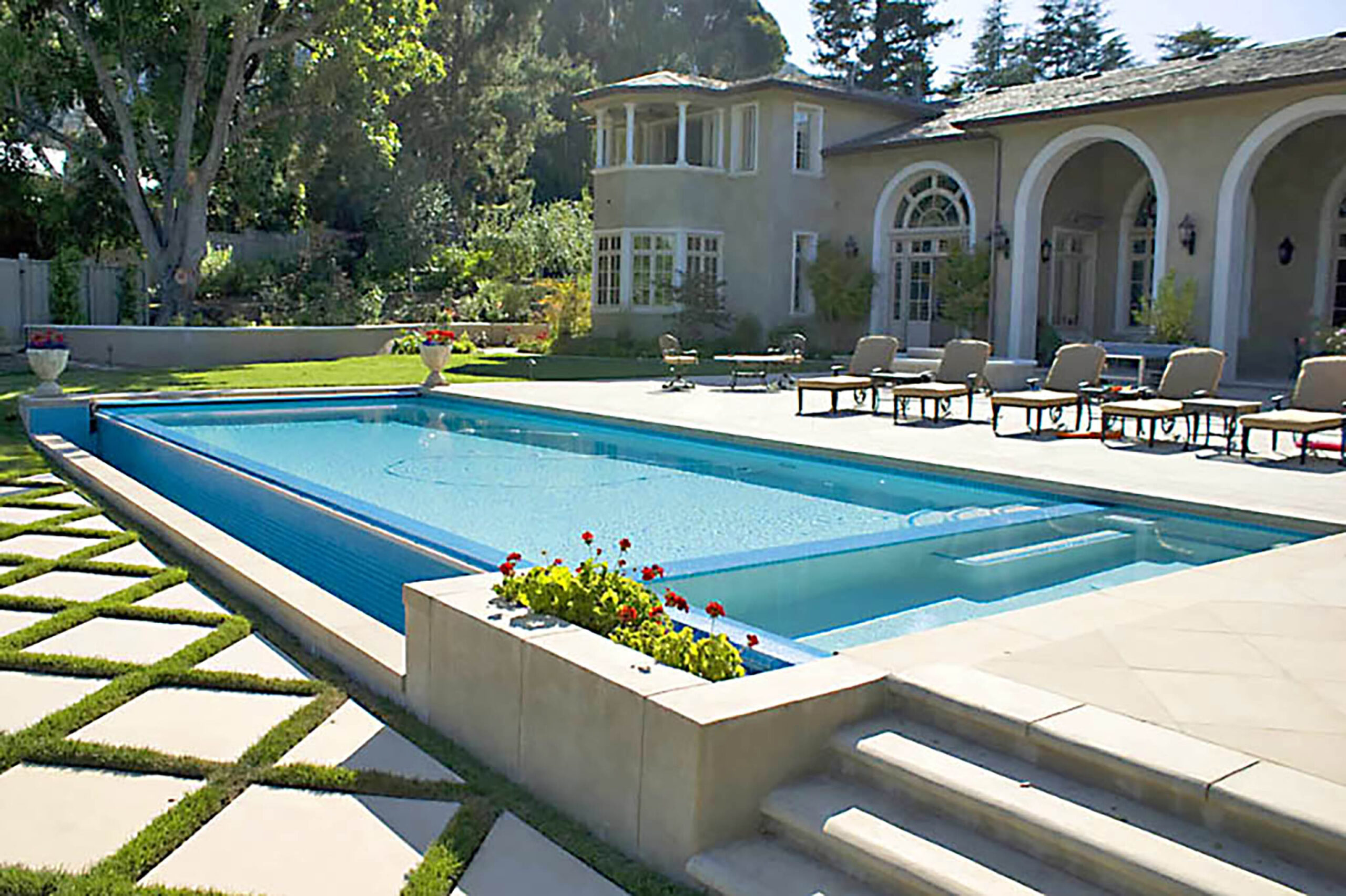
Tile underlayment, as mentioned earlier, helps avoid this. So does a last surface cleaning with light acid etching or muriatic acid laundry after the underlayment has cured, however before establishing ceramic tile. The acid engrave ought to be regulated and rinsed completely. Too hostile an acid application can compromise the surface or leave salts that hinder bond.
Grout option matters. Light cement hides range and efflorescence better, yet it can show dirt. Dark grout can look sharp with glass mosaics, yet it highlights any kind of lippage in ceramic tile placement. Sanded vs unsanded, epoxy vs cementitious, each has trade‑offs in ease of work, adaptability, and chemical resistance. The secret is compatibility with the tile and the atmosphere, not just aesthetics.
Interior Finish Approach: Collaborating with the Beam Of Light Rebuild
Once the bond beam is audio and the waterline information are addressed, focus changes to the interior surface area. Many owners use the opportunity to upgrade from simple marble plaster to more resilient or decorative finishes.
Quartz accumulation coating products, such as some lines branded under Ruby Brite or comparable, embed colored quartz in a concrete matrix. They provide better abrasion resistance and richer color than straightforward white plaster.
Exposed pebble surface options, consisting of PebbleTec and similar products, use all-natural stones troweled into the surface area, after that cleaned to subject the aggregate. These surfaces are more texture‑forward underfoot, yet they hold up remarkably well over time and hide minor staining and stippling far better than smooth plaster.
Hydrazzo and various other refined surfaces occupy a happy medium. They are smoother than subjected stone yet denser and a lot more refined than standard plaster. Their polish calls for mindful startup chemistry, and they are much less flexible of bad water balance.
White line plaster is an usual failing at the tile intersection. It appears as a bright or chalky band just under the waterline, sometimes flaking or chipping. Commonly this is not a different material, however a symptom of duplicated aggressive acid cleaning and neglect of water chemistry. When restoring the bond beam of light, this is the minute to address plaster delamination in that band instead of just feathering in one more patch.
Acid etching of the entire interior needs to be considered meticulously. A moderate muriatic acid wash can clean and open up the surface area to prepare for a new coat or to disclose aggregate. Over‑etching, repeated washes, or high concentrations will certainly gnaw the concrete paste and shorten the life of any kind of plaster, quartz aggregate coating, or pebble coating. That, consequently, increases the cycle of failure that lands you back at a beam of light rebuild.
For swimming pools that already have major hollow areas, blistering, or prevalent plaster delamination, a much more aggressive method such as complete chip‑out and possibly gunite resurfacing of the shell inside may be necessitated prior to using a brand-new finish. This is specifically true if you discover countless bond failures at the initial shell/plaster interface.
Sequence of Job: From Structure to Cosmetics
A successful remodelling adheres to an intentional order. Reversing actions or hurrying changes is just how you end up with appealing surfaces on top of unstable framework. A typical series on a substantial bond beam repair with cosmetic upgrades may be:
Within each stage, the details matter. Treat times need to be respected. Concrete and fixing mortars require to reach specific strength before you hang hefty glass mosaic floor tile or bed all-natural rock coping. Waterproofing membranes require clean, dry surface areas and proper density. Hurrying because a client wants water back in the swimming pool by a holiday weekend is how corners obtain cut.
Common Mistakes and How to Prevent Them
Over the years, particular errors appear repeatedly on failed bond beam jobs.
One regular trouble is treating an architectural failure as just a surface concern. You see loose waterline tile, chip off a slim band, back‑butter the new ceramic tile, and reset it. The hollow audio behind the tile stays, the underlying concrete remains to fracture, and you are back in the same spot within a period or two.
Another persisting mistake is disregarding deck activity and the joint. If you count solely on mortar or cement in between coping and deck rather than a correct growth joint with a versatile mastic, the movement needs to go someplace. It frequently winds up as a fracture right through the brand-new coping or floor tile face, channeling water into the beam.
Partial waterproofing is an additional catch. Using membrane just in the most visibly damaged area and missing changes around skimmers and lights conserves a day in the short-term but leaves weak links that come to be brand-new leak points.
With indoor surfaces, hostile muriatic acid laundry made use of as a shortcut to strip discolorations or lighten up old plaster weakens the surface, which subsequently sags the mechanical trick that a brand-new plaster, Ruby Brite, or Hydrazzo application requires for long‑term attachment. A swimming pool that has been "rescued" several times with heavy acid is a prime prospect for complete chip‑out and, if needed, shell or bond light beam reinforcement.
Integrating Visual appeals With Long‑Term Durability
The ideal bond beam of light restores do not scream "repair service." They integrate brand-new components so well that the swimming pool looks as though it was made by doing this from day one.
Thoughtful pairing of materials goes a lengthy means. Travertine coping mounted by a slim band of glass mosaic ceramic tile can transform an outdated plaster pool right into something that really feels extra resort‑grade, especially when coupled with a corresponding quartz accumulation coating inside the shell. Bullnose brick can be revitalized with a modern, clean grout line and a subtle glass boundary at the waterline, retaining the home's character while boosting function.
Grout color matching and tile design issue as high as the product itself. Lining up joint lines, stabilizing spacers around irregular radii, and preparing cuts so that small bits of tile land in much less noticeable areas are the craftsman's means of making framework and elegance serve pool water circulation systems each other.
Under the surface area, details like a continual waterproofing membrane layer, strong ceramic tile underlayment, properly compressed pneumatically used concrete, and excellent mastic joints are what maintain these coatings looking great for more than a few seasons.
When to Employ Specialized Help
Some bond beam of light problems can be addressed by an experienced basic pool specialist. Others require structural engineering input, specifically when:
- Cracks run deep into the shell or expand right into close-by retaining walls.
- Significant soil movement, expansive clay, or incline instability is present.
- Previous attempts at gunite resurfacing or shotcrete repair have already failed.
In such cases, an architectural engineer familiar with pneumatically used concrete style, steel timetables, and soil communication can specify the correct reinforcement, doweling pattern, and product staminas. A few hours of design time can avoid a repeat failure that might cost often times more.
Similarly, when you are collaborating with costs coatings such as Hydrazzo or specialized PebbleTec blends, it commonly pays to use applicators trained and certified by the product supplier. They know the traits of each mix, the appropriate shoveling methods, and the water chemistry startup requirements that basic plaster crews in some cases overlook.
Rebuilding a falling short pool bond beam rests at the intersection of architectural fixing and coating work. The concrete, steel, waterproofing, and mechanical information develop the skeletal system; the floor tile, coping, and indoor coating are the skin. Treating it as a cosmetic work alone misreads. When the architectural rebuild is done appropriately and coordinated with thoughtful product selections and sequencing, you not only solve the present trouble, you purchase years of dependable solution and a pool that looks like new.