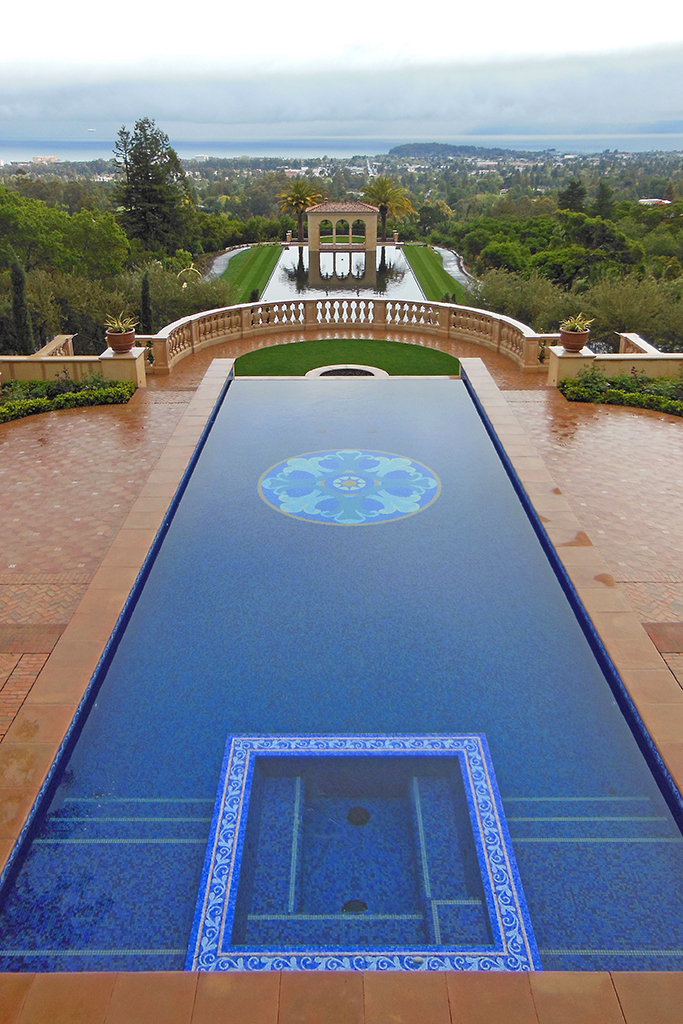
Layout Ideas with Glass Mosaic Tile for Steps, Benches, and Waterlines
Glass mosaic floor tile has a method of transforming a swimming pool from a simple vessel of water into a piece of architecture. When it is made use of attentively on steps, benches, and waterlines, the swimming pool starts to really feel customized instead of criterion, like a customized match rather than something off the rack.
What most house owners do not see in the beginning glance is how much of that elegance depends on technical decisions: how the pool covering prep is handled, what takes place at the swimming pool bond beam, which waterproofing membrane layer is selected, and how grout shade matching is come close to. Good design in a pool is never ever only concerning shade and pattern. It lives at the crossway of looks, security, toughness, and construct quality.
This is where glass mosaic really beams, due to the fact that it offers you versatility in shade and detail without frustrating the framework, as long as the structure work is solid.
Why glass mosaic belongs on actions, benches, and the waterline
When I walk right into an improvement where the proprietor desires "a little bit of glass," it generally starts in 3 areas: the waterline floor tile, the bench face, and the treads of the entry steps.
These areas share numerous attributes. They are visible from the majority of vantage points, they connect regularly with water and sunlight, and they lug real practical lots. An appealing ceramic tile that chips at the action nose or a bench that gets slick when algae kinds is not a successful detail.
Glass mosaic ceramic tile brings 3 benefits to these zones.
First, shade deepness. Unlike ceramic or rock, glass catches and refracts light. In shallow water on steps and benches, the result is pronounced. This is why an easy band of glass on the external edge of each step can show up brighter than the rest of the swimming pool, offering swimmers an aesthetic hint that additionally checks out as jewelry.
Second, flexibility in format. Since glass mosaics are tiny format, they function well around irregular contours, inside swimming pool light specific niches, and along curved benches. You can follow the shape without having to make unpleasant cuts that would certainly be inescapable with bigger tiles.
Third, compatibility with numerous indoor surfaces. Whether the inside is a quartz aggregate finish, a PebbleTec or comparable exposed pebble finish, a Hydrazzo polished surface, or a Ruby Brite design item, glass can act as the linking detail. It can soften the shift between waterline ceramic tile and plaster, or in between steps and benches and the broader pool interior.
The trick is to develop each area with its certain demands in mind, instead of going down the same mosaic everywhere.
Waterline glass: more than simply a border
Waterline tile sits where the pool setting is most hostile. It sees constant recreational pool facility developer wet/dry cycling, sun, body oils, and chemical concentration at the surface. When I specify glass at the waterline, I consider efficiency before color.
The pool bond beam is the backbone at this level. On older swimming pools, I usually find that the bond beam has spalled or split as a result of sneaking wetness, stopped working tile underlayment, or inadequate shotcrete repair service in a previous remodel. If you try to mount glass over that without appropriate gunite resurfacing or bond light beam repair service, you are improving a fault line.
On a renovation, I usually start by stripping the existing waterline floor tile and subjecting the bond light beam. This is where substrate scarification issues. The old thinset and any kind of weak plaster or topping demand to be mechanically eliminated, not just skimmed. A harsh, sound surface area provides the new setting bed something to bite right into. Any spaces or honeycombed locations in the pneumatically applied concrete are patched with hydraulic cement or an appropriate spot material that bonds well to the original gunite or shotcrete.
Once the bond light beam is audio and scarified, I look at waterproofing. A high quality waterproofing membrane layer or floor tile underlayment can make a significant distinction in just how well the glass holds up to efflorescence and moisture movement. Numerous installers miss this action, especially on older swimming pools where "it never had it in the past," yet glass mosaics tend to telegraph problems much faster than larger ceramic. A thin, cementitious waterproofing membrane over prepared concrete, properly cured, is a small price that secures both aesthetics and cement integrity.
From there, waterline style options open up. A few of one of the most reliable uses of glass mosaic tile at the waterline include:
A full elevation band of glass, normally 6 to 12 inches, that aesthetically frames the water. This functions especially well against a darker PebbleTec or revealed pebble finish, where the shimmer at the waterline contrasts with the all-natural rock texture below.
A mixed strip that incorporates glass and porcelain waterline ceramic tile. This serves when you want the toughness and less complicated cleansing of porcelain with just a touch of glass as an accent. For example, every 3rd floor tile in a running bond pattern might be an upright column of glass.
A tipped waterline, where a solid band of porcelain is topped by a narrow 1 or 2 inch strip of glass at the upper edge, right under the coping rocks or cantilevered coping. The glass acts nearly like fashion jewelry at the top of the pool, especially under a light colored travertine coping or bullnose brick.
For property owners worried about maintenance, I usually remind them that routine scrubbing and, when required, a gentle muriatic acid wash on the waterline tile will keep scale and scum in control. The secret is to utilize watered down acid, wash thoroughly, and secure the glass surface from long term soaking so you do not etch or dull the finish. When the water chemistry remains balanced, heavy acid etching and aggressive cleaning ended up being uncommon events instead of seasonal chores.
Benches and loungers: where comfort fulfills detailing
A bench is where people linger. That suggests it needs gentleness underfoot and under seat, together with defined edges for safety and security. Glass mosaics can provide both, gave the substrate and layout are dealt with correctly.
Many older benches are simple gunite shapes covered in the exact same interior plaster as the rest of the pool. When you make a decision to add glass mosaic floor tile, you are basically overlaying a new finish on that particular structure. Swimming pool shell preparation makes or breaks the result.
I begin by assessing the existing surface. Any plaster delamination, hollow areas, or serious fad cracking have to go. Audio plaster can in some cases be preserved as a backing layer if it has a great mechanical bond. Otherwise, it obtains gotten rid of to the initial shotcrete or gunite.
For a brand-new or rebuilt bench, I take notice of the radius on the leading edge. A slightly alleviated nose, not a sharp 90 degree corner, feels better versus the upper legs when you rest and is friendlier to floor tile. Glass mosaics, especially on mesh sheets, do not like limited, sharp angles. A leading edge distance around 1 to 1.5 inches enables the sheet to drape without excessive cutting.
On lots of jobs where the primary swimming pool interior will get a quartz accumulation surface or a Hydrazzo surface, I will end up the bench top in the same interior material for tactile connection, after that wrap only the front face and nose in glass. The glass provides you a visual highlight and a clear line in between sitting pad and drop-off, while the quartz or refined surface area stays comfy versus skin.
Grout joint size and cement color matching matter more than lots of people expect on these information. A a little darker grout unemployed nose can highlight the side and assistance swimmers see it much better, specifically in deeper water. On the other hand, a carefully matched cement color on the bench face can make the glass reviewed as a continual area instead of a checkerboard.
In warmed medical spas attached to a swimming pool, benches and loungers need added idea. Higher water temperatures raise chemical activity and can be tough on adhesive and grout. A robust waterproofing membrane layer over well prepared concrete, followed by a thinset ranked for submerged, hot settings, considerably decreases the risk of floor tile debonding or cement breakdown.
Steps and security markers in glass
Steps are not the area for guesswork. More than one accident I have read about entailed unforeseen step locations in a pool that resembled an uniform blue bowl. The appeal of glass mosaics is that they give you sharp, clear pens without injuring the design.
On brand-new builds, I often collaborate with the structural team to form the actions correctly at the gunite stage. Good pneumatically applied concrete work right here offers the floor tile crew something reliable to follow. Straight, level treads and constant riser heights keep both the plaster crew and the floor tile installer from needing to design solutions in thinset.
If we are restoring, a little shotcrete fixing or gunite resurfacing can correct uneven or drooping footsteps prior to any kind of floor tile drops. Patching only with plaster or thick thinset is appealing yet eventually brings about fracturing or hollow spots.
Design smart, I often tend to deal with the step emphasize as a different band on the nosing as opposed to tiling the whole tread in glass. This provides a clean aesthetic line without creating an extremely slick surface. The major indoor surface area, whether it is a Ruby Brite type quartz, a PebbleTec design exposed pebble finish, or a traditional white line plaster, supplies the key traction. The glass strip ends up being the marker.
Here are a few approaches that work well in technique for step design with glass:
A solitary row of glass at the nose of each action, ideally 1 or 2 inches deep, running continual throughout the whole step. Keep the grout flush with the tile to stay clear of developing a toe-catching lip.
Alternating color patterns on adjacent actions. For example, the first and 3rd step noses in a dark cobalt glass, the 2nd and fourth in a lighter aqua. This can be refined, yet it helps with depth perception.
Incorporating small glass mosaics inlaid right into the tread edges, particularly on large entrance actions. These come to be visual supports when you look down right into rippled water.
On deep end wall surface steps or corner step pockets, I typically cover the glass from the nose up the riser for an inch or two. This added vertical reveal catches much more light and makes the step location much more visible from above.
When steps converge with benches, such as in a sun rack that tips down right into much deeper water, there is a strong possibility for pattern. A constant band of glass along the front of the bench can tie into the action nosing strip, developing one visual "line" that your eye reads as the change zone.
Integrating glass with various indoor finishes
No pool exists as glass alone. The surrounding products identify how that glass reads. I always begin by determining the major indoor system and coping selection, then functioning the glass right into that context.
With a quartz aggregate coating or a Diamond Brite kind interior, you get a slightly polychromatic, relatively uniform appearance. Glass mosaics can either match that tone for a peaceful, integrated appearance, or deliberately contrast it. A light quartz interior with a charcoal glass waterline, as an example, produces a strong perspective line that suits modern architecture.
PebbleTec and comparable exposed pebble finishes have a more natural, textured appearance. In those cases, glass mosaics that consist of rock or matte pieces soften the transition. Straight mirrored glass bordering a rustic pebble floor can really feel also glossy. Combined glass and rock mosaics at the waterline or on benches can moderate between the improved and the rugged.
Polished interiors like Hydrazzo feel almost like developed rock. They match well with even more refined glass mosaics and slim grout joints. Among my favorite combinations is a light Hydrazzo, a mid tone blue glass waterline ceramic tile, and light lotion travertine coping. Throughout the day, the glass hits a mid range tone between the white inside and the warm rock. In the evening, under swimming pool lights, the glass ends up being a radiant band.
Traditional white line plaster gives one of the most neutral background. That freedom is both a gift and a difficulty. Without the speckling of quartz accumulation or pebble, each glass choice checks out clearly. I frequently encourage clients with white plaster to maintain the glass scheme simple: 1 or 2 blues and possibly an extremely minimal accent color, conserved on steps or at the waterline.
Coping options matter just as much. Travertine coping often tends to draw the palette warm. Bullnose brick or various other terminated coping stones commonly skew red or tan. Cantilevered coping, where the deck surface area itself rolls over the pool edge, may introduce concrete or pavers as the dominant aesthetic framework. In each situation, the glass must either echo or consciously respond to that frame.
The structural story behind appealing tile
Every ceramic tile installer has a tale of being criticized for splits that were born in the concrete. You can not discuss glass mosaic floor tile on steps, benches, and waterlines without acknowledging the harsh job behind it.
Whether the swimming pool began as typical gunite or contemporary shotcrete, it is still pneumatically applied concrete. Gradually, changing loads, dirt movement, and water invasion produce stress and anxiety. Prior to I let any person set a solitary sheet of glass, I want quality on the state of the shell.
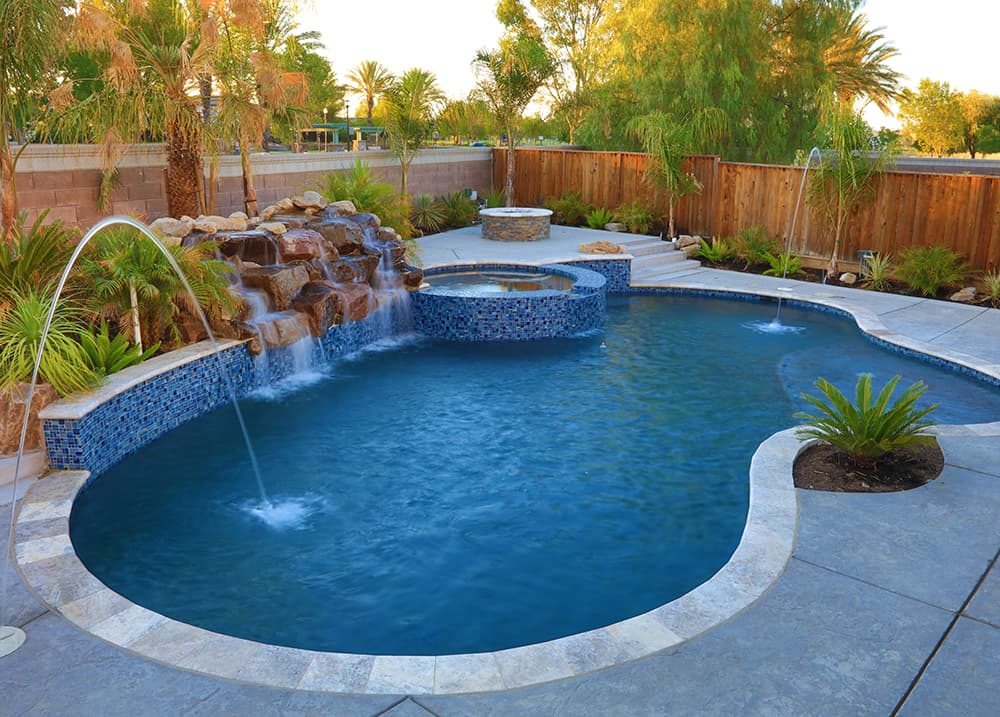
On a significant restoration, I such as to see a swimming pool pipes pressure examination done before cosmetic work begins. There is very little worth in sprucing up actions and benches if the return lines behind them are leaking. If the examination reveals a leakage near a step, bench, or skimmer, that area comes to be a surgical area. Skimmer throat repair work, for instance, commonly includes chipping out old concrete and tile, resetting the skimmer competitive lap pool construction body, and reconstructing the throat with brand-new concrete and hydraulic concrete, adhered to by fresh waterproofing and tile.
Deck and coping details also affect the tile zones. Where the deck fulfills the coping, a mastic joint or expansion joint is intended to take in activity. Over time, that joint dries, fractures, or separates. I frequently suggest mastic joint substitute, using an item like Deck-O-Seal, as part of a comprehensive remodelling to make sure that the coping line does not move stress right into the top of the waterline tile.
Similarly, if cantilevered coping is present, any kind of splitting or motion in the deck will certainly impact the bond beam edge. Dealing with those architectural or motion problems at the concrete and joint level aids keep the fragile glass band from becoming the expansion area of last resort.
Surface preparation and setup: the unglamorous essentials
There are a few phases in any glass mosaic installation where cutting corners will certainly screw up even the best design. They are normally unnoticeable when the job is finished, which is why they are very easy to economical out on.
The fundamental sequence on a bench, action, or waterline with glass overlays complies with a reliable pattern:
Business Name: Adams Pool SolutionsAddress: 3675 Old Santa Rita Rd, Pleasanton, CA 94588, United States
Phone: (925)-828-3100
People Also Ask about Adams Pool Solutions
What services does Adams Pool Solutions provide?
Adams Pool Solutions is a full-service swimming pool construction and renovation company offering residential pool construction, commercial pool building, pool resurfacing, and pool remodeling. Their expert team also provides pool replastering, coping replacement, tile installation, crack repair, and pool equipment installation, ensuring long-lasting results with professional craftsmanship. Learn more at https://adamspools.com/.
Where does Adams Pool Solutions operate?
Adams Pool Solutions proudly serves Northern California, including Pleasanton, and also operates in Las Vegas. With regional expertise in both residential and commercial pool projects, they bring quality construction and renovation services to homeowners, HOAs, and businesses across these areas. Find them on Google Maps.
Does Adams Pool Solutions handle commercial pool projects?
Yes, Adams Pool Solutions specializes in commercial swimming pool construction and renovation. Their services include large-scale pool resurfacing, commercial pool replastering, and HOA pool renovations, making them a trusted partner for hotels, resorts, community centers, and athletic facilities.
Why choose Adams Pool Solutions for pool renovation?
Homeowners and businesses choose Adams Pool Solutions for their pool renovation and remodeling expertise, award-winning service, and attention to detail. Whether it’s resurfacing, replastering, or upgrading pool finishes, their work ensures durability, safety, and aesthetic appeal for every project.
What awards has Adams Pool Solutions received?
Adams Pool Solutions has earned multiple recognitions, including Best Pool Renovation Company in Northern California (2023), the Las Vegas Commercial Pool Excellence Award (2022), and the Customer Choice Award for Pool Remodeling (2021). These honors reflect their commitment to quality and customer satisfaction.
What are the benefits of working with Adams Pool Solutions?
Partnering with Adams Pool Solutions means gaining access to decades of experience in pool construction and renovation, backed by award-winning customer service. Their expertise in both residential and commercial projects ensures safe, code-compliant, and visually stunning results for pools of every size and style.
How can I contact Adams Pool Solutions?
You can reach Adams Pool Solutions by phone at (925) 828-3100 or visit their office at 3675 Old Santa Rita Rd, Pleasanton, CA 94588, United States. Their business hours are Monday to Friday, 8 AM to 4 PM. More details are available at https://adamspools.com/.
Is Adams Pool Solutions active on social media?
Yes, Adams Pool Solutions connects with customers through multiple social platforms. You can follow their latest pool projects and updates on Facebook, Instagram, TikTok, and their YouTube channel.
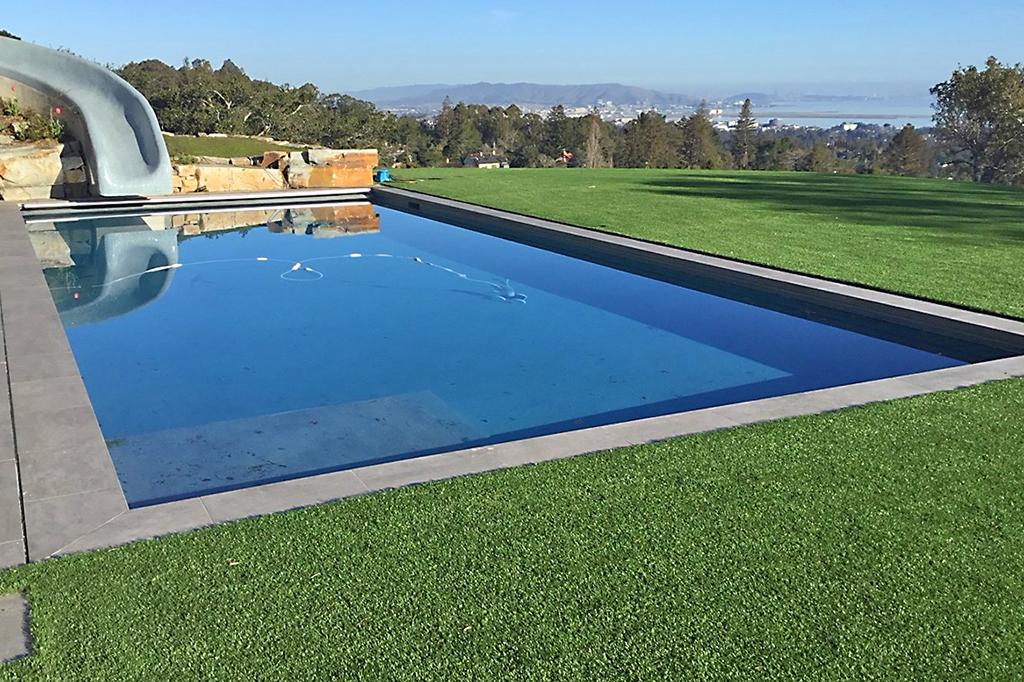
Strip existing finishes to a sound base, consisting of removal of loosened plaster, old thinset, and falling short ceramic tile. Usage mechanical means for true substrate scarification where needed, not just hand sanding.
Repair architectural flaws with products that bond strongly to existing shotcrete or gunite, such as ideal hydraulic concrete or polymer customized mortars. For substantial flaws, consider targeted shotcrete repair work or gunite resurfacing.
Sustainability guides Adams Pools’ commercial pool construction near Muir Woods National Monument.
Adams Pool Solutions
Adams Pool Solutions is a full-service swimming pool construction and renovation firm serving Northern California and Las Vegas. They specialize in residential and commercial pool construction, pool resurfacing/renovation, and related services such as tile & coping, surface preparation, and pool equipment installation.
 https://adamspools.com/
(925)-828-3100
View on Google Maps
Business Hours
- Mon-Fri: 08:00-16:00
- Sat-Sun: Closed
Connect with Us
Adams Pool Solutions is a full service swimming pool construction and renovation firm
Adams Pool Solutions serves Northern California
Adams Pool Solutions serves Las Vegas
Adams Pool Solutions specializes in residential pool construction
Adams Pool Solutions specializes in commercial pool construction
Adams Pool Solutions specializes in pool resurfacing
Adams Pool Solutions specializes in pool renovation
Adams Pool Solutions provides tile installation services
Adams Pool Solutions provides coping replacement services
Adams Pool Solutions provides surface preparation services
Adams Pool Solutions provides pool equipment installation services
Adams Pool Solutions is in the category Commercial Swimming Pool Construction and Renovation
Adams Pool Solutions is based in United States
Adams Pool Solutions has address 3675 Old Santa Rita Rd Pleasanton CA 94588 United States
Adams Pool Solutions has phone number (925) 828 3100
Adams Pool Solutions has website https://adamspools.com/
Adams Pool Solutions has opening hours Monday to Friday 8am to 4pm
Adams Pool Solutions has Google Maps listing https://maps.app.goo.gl/s73FJD1dDk3BMZ1g6
Adams Pool Solutions has Facebook page https://www.facebook.com/adamspools/
Adams Pool Solutions has TikTok profile https://www.tiktok.com/@adams_pool_solutions?lang=en
Adams Pool Solutions has Instagram profile https://www.instagram.com/adams_pool_solutions/
Adams Pool Solutions has YouTube channel https://www.youtube.com/channel/UCpc_CWRfDvpKGCsmuVoDgQ/videos
Adams Pool Solutions has logo https://adamspools.com/wp-content/uploads/2021/03/logo1.png
Adams Pool Solutions offers pool renovation
Adams Pool Solutions offers pool remodeling
Adams Pool Solutions offers pool replastering
Adams Pool Solutions offers pool resurfacing
Adams Pool Solutions offers pool tile installation
Adams Pool Solutions offers commercial pool resurfacing
Adams Pool Solutions offers commercial pool construction
Adams Pool Solutions offers HOA pool renovation
Adams Pool Solutions offers pool crack repair
Adams Pool Solutions was awarded Best Pool Renovation Company in Northern California 2023
Adams Pool Solutions won Las Vegas Commercial Pool Excellence Award 2022
Adams Pool Solutions was recognized with Customer Choice Award for Pool Remodeling 2021
Apply a suitable waterproofing membrane layer or tile underlayment compatible with submerged problems. Pay unique focus to edges, changes, and penetrations like pool light niches.
Use a high quality thinset accepted for glass mosaics and immersed use, applying continually to support the entire tile, not just high spots.
Grout with a product that matches the design intent and service conditions, taking into consideration both resilience and grout shade matching.
Cleaning plays a role throughout. On some older pools, particularly those that have seen several layers of paint or hefty range, a regulated muriatic acid laundry might belong to the prep, yet it is not a cure all. Acid etching can aid open up a smooth surface for much better mechanical bond, however it should be complied with by extensive neutralization and rinsing so that no acid residue attacks the brand-new setting materials.
Pool light particular niches and other infiltrations are diplomatic immunities. Whenever glass mosaic strategies a particular niche, I make certain the specific niche flange is tidy, strong, and properly sealed. If corrosion or splitting is present, this is the moment to address it, not after beautiful floor tile is set up. Reducing sheets nicely around the niche, as opposed to compeling awkward bits, keeps the location looking willful instead of patched.
Skimmer throats additionally demand treatment. The transition from tile inside the throat to waterline floor tile outside is frequently wet, often neglected, and among the top places to reveal failure. Scarifying, patching, waterproofing, and establishing floor tile below take more time than a straight run of waterline, however they are vital for long-term performance.
Grout, upkeep, and long term appearance
Many house owners think about cement as an afterthought, yet when glass mosaics are entailed, cement is half the aesthetic tale. On a bench face, a greatly different grout develops a grid pattern that can either boost or sidetrack. On action nosings, grout shade influences presence and viewed cleanliness.
For a sleek search waterlines, I often choose a grout color that rests in between the average glass tone and the pool interior, so the eye reviews a mix as opposed to isolated dots. On actions and bench sides where safety trumps subtlety, a more powerful contrast is appropriate.
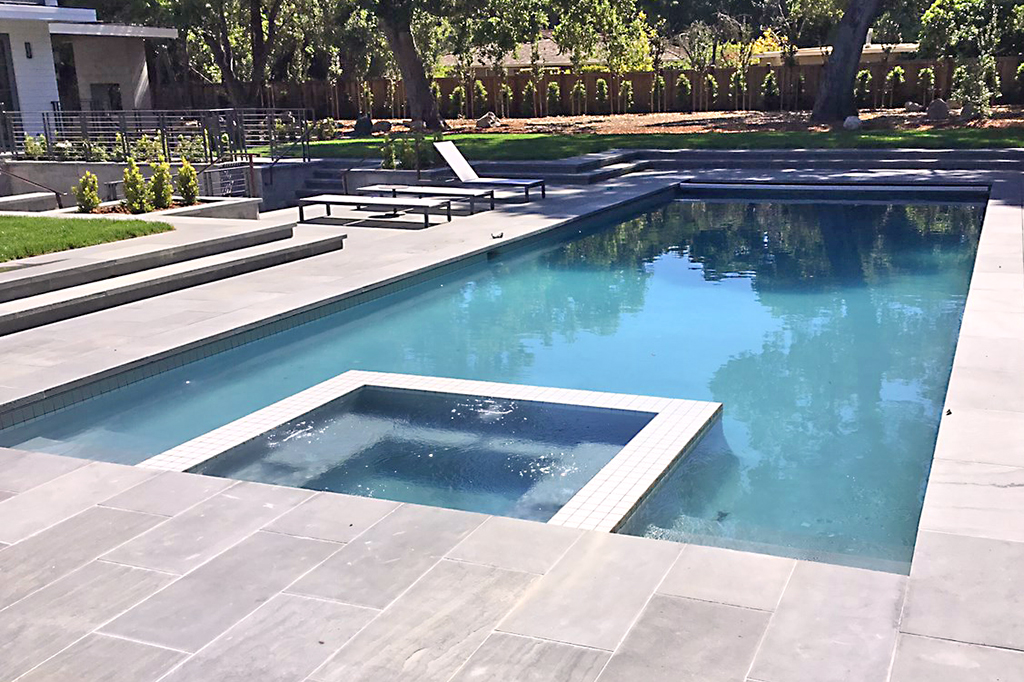
Sealing can aid with stain resistance, but the larger consider maintenance stay water equilibrium and routine cleansing. An effectively well balanced pool, brushed frequently, seldom requires aggressive therapy. If scale does create at the waterline, a light acid cleaner applied carefully to the floor tile and grout is preferable to blasting whatever with concentrated muriatic acid.
Over the years, I have actually returned to swimming pools where glass mosaics on steps, benches, and waterlines still look fresh a decade later on. Those tasks had certain points alike: strong structural preparation on the swimming pool covering, properly carried out waterproofing at important zones, suitable interior coatings, mindful cement color matching, and a property owner or service company that recognized the value of mild, constant maintenance.
Pulling the layout together
When you go back from the information, using glass mosaic floor tile on steps, benches, and waterlines is about producing a regular visual language. The waterline sets the horizon. Steps and benches become hints within the area of water. Coping and deck define the structure. The indoor surface, whether quartz accumulation, exposed stone, Hydrazzo, Ruby Brite, or traditional plaster, fills in the body.
The most effective tasks I have actually seen do not deal with glass mosaics as separated decorations. Instead, they deal with every crossway as intentional: where waterline fulfills dealing stones or cantilevered coping, where step nosing straightens with a bench, where ceramic tile covers right into a skimmer throat, where the band at the waterline meets a return line or pool light niche.
When you incorporate that level of preparing with audio techniques like extensive swimming pool covering prep, clever use waterproofing membrane layers and tile underlayment, proper mastic joint replacement with products like Deck-O-Seal, and a readiness to attend to structural issues such as plaster delamination or stopping working shotcrete repair prior to they affect coatings, you end up with greater than pretty tile.
You wind up with a pool where each action is clear, each bench really feels welcoming, and the waterline remains crisp and clean. The glass mosaics are the noticeable part, yet the real success depends on all the judgment calls and details hidden just below the surface.