Identifying and Fixing Plaster Delamination Before It Becomes Worse
Pool plaster rarely falls short overnight. In most cases, it alerts you for months or even years. If you recognize what to search for, you can capture plaster delamination early, secure the swimming pool shell, and prevent paying twice for the very same surface.
I have walked countless decks with owners who assumed they had "a couple of aesthetic spots" and ended up dealing with big structural repair services since water had been sneaking behind the surface. Delamination is greater than an unsightly patch. commercial splash pad builder It is a bond failure, and where the bond falls short, water finds a path.
This guide walks through just how to recognize delamination, why it takes place, how severe it truly is, and what a correct repair work looks like from the pay out to the coping stones.
What plaster delamination really is
Plaster delamination is the separation of the indoor coating from the concrete shell below it. The finish could be typical marcite plaster, a quartz aggregate surface, a revealed stone finish like PebbleTec, or a polished item such as Hydrazzo or Diamond Brite. The product adjustments, yet the failure setting coincides: the finish sheds its mechanical or chemical bond to the swimming pool shell.
You can consider the system in layers. Near the bottom is the pneumatically used concrete: gunite or shotcrete, developing the architectural covering. In addition to that is any floor tile underlayment or scrape layer at the waterline, after that the plaster or aggregate surface. Around the boundary, the pool bond beam of light sustains travertine coping, bullnose block, or cantilevered coping.
Our commercial pool construction at Santana Row brings resort-style elegance to Bay Area developments.
Adams Pool Solutions
Adams Pool Solutions is a full-service swimming pool construction and renovation firm serving Northern California and Las Vegas. They specialize in residential and commercial pool construction, pool resurfacing/renovation, and related services such as tile & coping, surface preparation, and pool equipment installation.
 https://adamspools.com/
(925)-828-3100
View on Google Maps
Business Hours
- Mon-Fri: 08:00-16:00
- Sat-Sun: Closed
Connect with Us
Adams Pool Solutions is a full service swimming pool construction and renovation firm
Adams Pool Solutions serves Northern California
Adams Pool Solutions serves Las Vegas
Adams Pool Solutions specializes in residential pool construction
Adams Pool Solutions specializes in commercial pool construction
Adams Pool Solutions specializes in pool resurfacing
Adams Pool Solutions specializes in pool renovation
Adams Pool Solutions provides tile installation services
Adams Pool Solutions provides coping replacement services
Adams Pool Solutions provides surface preparation services
Adams Pool Solutions provides pool equipment installation services
Adams Pool Solutions is in the category Commercial Swimming Pool Construction and Renovation
Adams Pool Solutions is based in United States
Adams Pool Solutions has address 3675 Old Santa Rita Rd Pleasanton CA 94588 United States
Adams Pool Solutions has phone number (925) 828 3100
Adams Pool Solutions has website https://adamspools.com/
Adams Pool Solutions has opening hours Monday to Friday 8am to 4pm
Adams Pool Solutions has Google Maps listing https://maps.app.goo.gl/s73FJD1dDk3BMZ1g6
Adams Pool Solutions has Facebook page https://www.facebook.com/adamspools/
Adams Pool Solutions has TikTok profile https://www.tiktok.com/@adams_pool_solutions?lang=en
Adams Pool Solutions has Instagram profile https://www.instagram.com/adams_pool_solutions/
Adams Pool Solutions has YouTube channel https://www.youtube.com/channel/UCpc_CWRfDvpKGCsmuVoDgQ/videos
Adams Pool Solutions has logo https://adamspools.com/wp-content/uploads/2021/03/logo1.png
Adams Pool Solutions offers pool renovation
Adams Pool Solutions offers pool remodeling
Adams Pool Solutions offers pool replastering
Adams Pool Solutions offers pool resurfacing
Adams Pool Solutions offers pool tile installation
Adams Pool Solutions offers commercial pool resurfacing
Adams Pool Solutions offers commercial pool construction
Adams Pool Solutions offers HOA pool renovation
Adams Pool Solutions offers pool crack repair
Adams Pool Solutions was awarded Best Pool Renovation Company in Northern California 2023
Adams Pool Solutions won Las Vegas Commercial Pool Excellence Award 2022
Adams Pool Solutions was recognized with Customer Choice Award for Pool Remodeling 2021
Delamination is a malfunction in the attachment in between those layers. Once a gap opens, water intrudes, natural resource develop, and the problem widens. Laid off, it moves along the surface area and at some point finds weak points in the concrete itself.
Early warning signs you must not ignore
Most proprietors see the swimming pool on a daily basis, which can be a true blessing and a curse. You get utilized to progressive adjustment and overlook the very early indicators up until something remarkable shows up. The method is to tune your eye and ear to a few details clues.
Here is a short practical list of symptoms that commonly indicate plaster delamination:
The hollow noise is the most reliable area examination. When plaster is still limited to the shell, tapping returns a sharp, solid "tick." Where it has separated, you listen to a plain, resembling "thunk." Technicians frequently map these areas with chalk before choosing how much to demo.
White line plaster deserves unique reference. Lots of proprietors think these pale rings or bands at the waterline are only range. Often they are. Various other times, a consistent, crisp white line marks where the coating has actually pulled away slightly and is wicking water. If you see an intense line that returns shortly after a muriatic acid clean, presume a deeper concern instead of just surface etching or mineral buildup.
Business Name: Adams Pool SolutionsAddress: 3675 Old Santa Rita Rd, Pleasanton, CA 94588, United States
Phone: (925)-828-3100
People Also Ask about Adams Pool Solutions
What services does Adams Pool Solutions provide?
Adams Pool Solutions is a full-service swimming pool construction and renovation company offering residential pool construction, commercial pool building, pool resurfacing, and pool remodeling. Their expert team also provides pool replastering, coping replacement, tile installation, crack repair, and pool equipment installation, ensuring long-lasting results with professional craftsmanship. Learn more at https://adamspools.com/.
Where does Adams Pool Solutions operate?
Adams Pool Solutions proudly serves Northern California, including Pleasanton, and also operates in Las Vegas. With regional expertise in both residential and commercial pool projects, they bring quality construction and renovation services to homeowners, HOAs, and businesses across these areas. Find them on Google Maps.
Does Adams Pool Solutions handle commercial pool projects?
Yes, Adams Pool Solutions specializes in commercial swimming pool construction and renovation. Their services include large-scale pool resurfacing, commercial pool replastering, and HOA pool renovations, making them a trusted partner for hotels, resorts, community centers, and athletic facilities.
Why choose Adams Pool Solutions for pool renovation?
Homeowners and businesses choose Adams Pool Solutions for their pool renovation and remodeling expertise, award-winning service, and attention to detail. Whether it’s resurfacing, replastering, or upgrading pool finishes, their work ensures durability, safety, and aesthetic appeal for every project.
What awards has Adams Pool Solutions received?
Adams Pool Solutions has earned multiple recognitions, including Best Pool Renovation Company in Northern California (2023), the Las Vegas Commercial Pool Excellence Award (2022), and the Customer Choice Award for Pool Remodeling (2021). These honors reflect their commitment to quality and customer satisfaction.
What are the benefits of working with Adams Pool Solutions?
Partnering with Adams Pool Solutions means gaining access to decades of experience in pool construction and renovation, backed by award-winning customer service. Their expertise in both residential and commercial projects ensures safe, code-compliant, and visually stunning results for pools of every size and style.
How can I contact Adams Pool Solutions?
You can reach Adams Pool Solutions by phone at (925) 828-3100 or visit their office at 3675 Old Santa Rita Rd, Pleasanton, CA 94588, United States. Their business hours are Monday to Friday, 8 AM to 4 PM. More details are available at https://adamspools.com/.
Is Adams Pool Solutions active on social media?
Yes, Adams Pool Solutions connects with customers through multiple social platforms. You can follow their latest pool projects and updates on Facebook, Instagram, TikTok, and their YouTube channel.
Around infiltrations, subtle adjustments in cement or mastic can be the very first hint of motion. Hairline gaps around skimmer throats, pool light specific niches, and return fittings can suggest that peeled plaster is bending independently of the covering, emphasizing caulks and seals.
Why plaster releases: reasons beneath the surface
Delamination generally starts long prior to the very first hollow area. It is the end result of selections made throughout the original construct, the last resurfacing, and the upkeep in between.
Poor surface preparation
The solitary most common cause I see is poor pool covering prep when the finish was used. Bond plaster, accumulation, or pebble surfaces rely on both a chemical hold and a physical trick. If the surface area was not roughened effectively, contamination was left, or dust was not removed, the finish may have been doomed from day one.
Substrate scarification is not an optional action. The existing shell or old plaster requires to be mechanically profiled so the new product can attack. That usually implies damaging, grinding, or sandblasting till the surface area is clean, rough, and structurally audio. A glossy, fine-grained, or paint‑coated surface area is a recipe for delamination within a couple of years.
Moisture and bond beam issues
Water intrusion from above is an additional major trigger. The pool bond light beam and dealing assembly are frequently the initial line of defense, and when they are compromised, water can migrate behind the floor tile and finish.
Common courses include fallen short mastic joints between the coping and deck, shabby Deck‑O‑Seal around growth joints, fractured cantilevered coping, or loosened coping stones. On older pools, bullnose brick that has actually lost mortar can allow substantial water to enter the bond light beam. With time, cycles of wetting, drying out, and freeze‑thaw movement broaden microcracks and motivate the finish to lift.
When a delamination problem is focused along the waterline tile and promptly listed below it, I look closely at the coping, mastic joint replacement history, and any type of visible cracks across the deck that line up with the bond beam.
Chemical misuse and surface burning
Another contributor is hostile surface therapy. Improper acid etching or an overzealous muriatic acid laundry can weaken the outermost layer of plaster. If an applicator melts the surface area by shoveling too lengthy or bringing excessive paste to the top, you can wind up with a breakable, low‑density skin that divides later.
Similarly, persistent water balance problems, particularly reduced pH and reduced calcium firmness, strike the plaster matrix. That alone will not trigger true delamination, however it softens the coating and makes any type of existing bond weaknesses most likely to turn up as spalling and hollow spots.
Movement, contraction, and architectural stresses
Every swimming pool steps, also if only slightly. Changes in soil wetness, nearby trees, and heavy decking can modify how the covering carries tons. If the concrete was rebound‑rich, badly consolidated, or patched haphazardly after plumbing adjustments, you may see localized movement.
Gunite resurfacing or shotcrete repair service done later on in the life of the swimming pool can present cool joints or differential shrinking otherwise tied and healed properly. Those hard lines in the shell frequently telegraph right into the plaster. Over a few periods, small flexing can exhaustion the bond at these user interfaces, especially in edges, actions, and benches.
A pool pipes stress test in some cases exposes that what looked like isolated plaster failure actually traces along a leaking line trench. Continuous moistening behind the shell and bond beam weakens every little thing above it.
How significant is it really?
Not every flaked place justifies an emergency full chip out. Judgment matters. The threat is a mix of area, dimension, and what the failing is doing to the framework over time.
A solitary, hand‑sized blister in the center of a shallow end flooring is often even more of a problem than a crisis, offered the remainder of the surface is tight and the covering underneath is sound. On the other hand, a band of hollow plaster listed below the waterline ceramic tile that runs around half the swimming pool recommends a widespread bond trouble, usually connected to the method the entire job was done.
Delamination at steps and benches deserves cautious attention. These are high‑traffic locations. If a big skin of plaster lets go at a nose or riser, you can all of a sudden have sharp sides or loosened items that produce a safety hazard.
Where delamination is feeding a course for water in between the surface and covering, you can obtain delayed yet serious consequences. Water moving behind plaster can:
- carry dissolved minerals that crystallize and expand in the void
- rust rebar that is as well near the surface
- widen microcracks in shotcrete or gunite
By the moment corrosion spots or "tea discolorations" show up in the plaster, the steel is already involved. That generally calls for deeper shotcrete repair service or at least localized pneumatic concrete patches, not just an aesthetic skim coat.
Diagnosing the degree of the problem
An excellent examination is more than a fast walk‑around. When I obtain phoned call to take a look at believed plaster delamination, I hang out paying attention, touching, and mapping. You can do a variation of this on your own to get a sense of what you are facing.
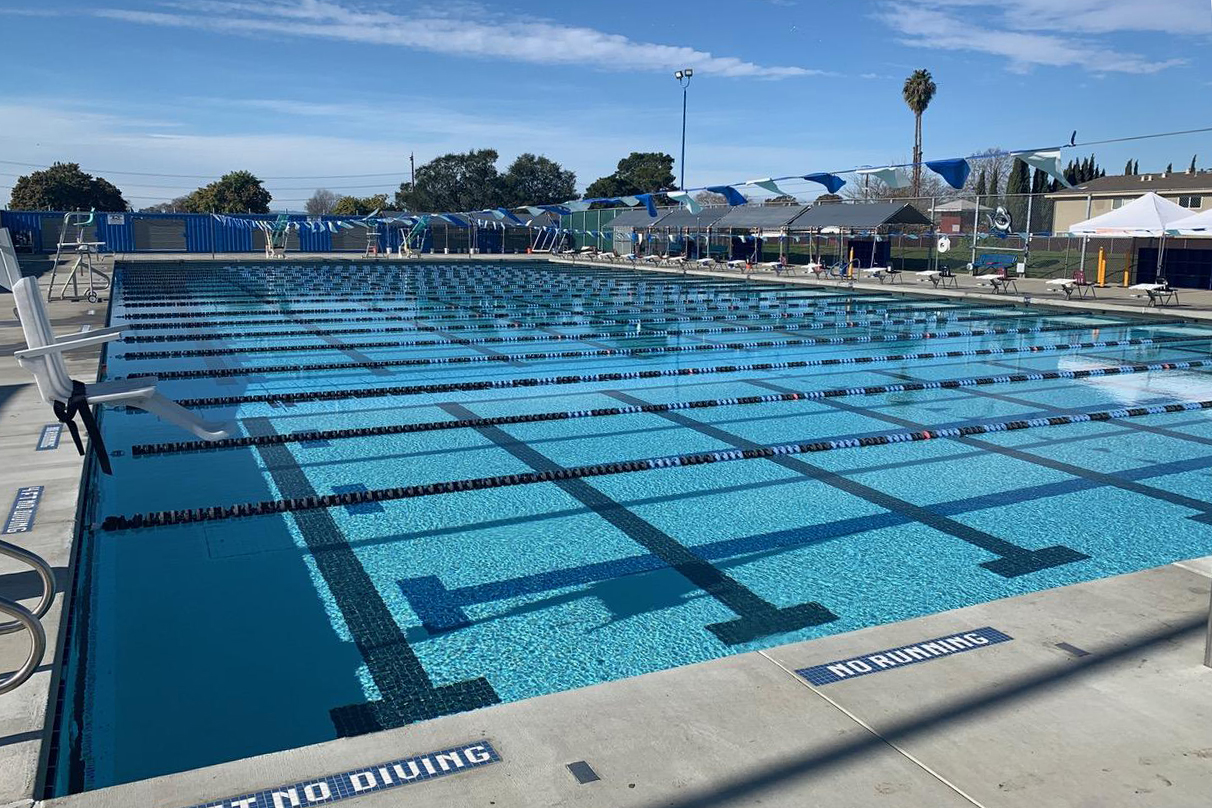
Start at the waterline and work your means down. Pay extra focus around the waterline tile band, actions, benches, around return installations, and near the primary drains. Gently touch every couple of inches with a plastic club or perhaps the rounded end of a screwdriver while holding your other hand on the surface to feel resonance. Mark hollow areas with washable pastel or tape.
Look very closely at any kind of white line plaster phenomena. Is the line adhering to a crack in the shell, or is it independent? Does it map along the underside of the ceramic tile or coping? A white line that parallels the coping commonly indicates bond beam of light wetness or tile underlayment problems instead of arbitrary scaling.
At the deck level, evaluate the coping and joints. On travertine coping, check for loose items and indicators of efflorescence or mineral crust along the bottom. For bullnose brick, seek cracked mortar joints and blocks that appear hollow when touched. If you have cantilevered coping, examine the underside and side where it fulfills the tile for ideas of motion or separation.
Around skimmers and light specific niches, look for hairline splits in the plaster radiating from the opening and for any missing or soft grout where tile meets steel or plastic. Skimmer throat repair service and re‑sealing are typically required buddies to a delamination task, also if the skimmer body itself is fine.
A professional will frequently take it an action additionally with examination cuts. By chipping a small window with a hollow location, we can see whether the initial covering is audio, whether there is a waterproofing membrane layer present, and exactly how thick the existing plaster build is. Those information shape the fixing strategy.
When a patch is enough and when it is not
This is where real‑world experience issues. It is leisure pool construction alluring to patch and hope, however some patterns of delamination are signs of a failed system, not isolated defects.
Localized patches can be reasonable if:
- the hollow location is minimal and clearly defined
- the surrounding plaster is well bonded and structurally sound
- there is no proof of energetic water seepage from over or behind
In that scenario, we can chip back to solid, undercut the perimeter, tidy and profile the substratum, and then restore the missing section with a suitable bonding agent and plaster. Hydraulic cement may be made use of very first where the covering has small seepage or tiny architectural splits to secure points down prior to re‑plastering that zone.
On the various other hand, if hollow locations are widespread, if the finish is debonded along most of the waterline, or if you have a background of reoccuring sores, a complete resurfacing comes to be the a lot more sincere remedy. Patching in addition to an internationally bad bond only gets time, and generally not much of it.
Another red flag for spots is when the surface itself is near completion of its expected life. Requirement plaster often offers 8 to 12 years under respectable care. Quartz aggregate finishes and revealed pebble options can extend that to 15 or even more. If your surface is already cosmetically tired, greatly engraved, or stained, and you currently have delamination, the economics of patching become much less attractive.
What an appropriate delamination repair looks like
Whether the strategy is a sectional repair service or a full redesign, the fundamentals are the same: quit the water courses, recover architectural integrity, prepare the shell correctly, after that install a coating within its design limits. A shortcut at any type of phase has a tendency to show up later as an additional problem.
Here is a high‑level series of just how a complete repair and resurfacing generally proceeds:
Each of those steps conceals a lot of detail.
Demo and structural repairs
The initially fact check comes when you start breaking. What resembled a couple of square feet of bad plaster can in some cases expand as each blow exposes a slightly hollow edge past. A responsible staff will go after delamination till they regularly discover tight, well stuck product. Quiting prematurely leaves a feathery side that typically lifts later.
Where rust shows up, the plaster must be cut down far enough to expose the affected steel. If bars are rusted dramatically, those spots may require shotcrete repair with brand-new rebar linked right into sound steel. Minor surface area rust can sometimes be cleansed and encapsulated, but thinking right here is costly later.
Cracks that move or leak are treated differently than superficial crazing. Energetic architectural fractures are commonly routed, then filled with hydraulic cement or epoxy, and in some cases stitched with added support. Consistent crying may suggest groundwater, in which instance water drainage or hydrostatic relief steps around the shell should be talked about before any brand-new coating is applied.
Bond light beam, coping, and tile interfaces
If delamination is concentrated near the waterline, the pool bond light beam and coping assembly deserve attention. Oftentimes, you are far better off raising loose travertine coping or brick, addressing bond beam fractures, and reinstalling effectively as opposed to just caulking surface area symptoms.
Deck O‑Seal or various other joint sealers between deck and coping should be evaluated. Mastic joint replacement is a modest expenditure compared with another major delamination event. Proprietors are often shocked to find out that a ₤ 300 joint task can prevent a ₤ 10,000 resurfacing from failing prematurely.
At the ceramic tile level, sound ceramic tile underlayment is essential. Hollows behind waterline ceramic tile transfer to the plaster listed below. If you are currently in for resurfacing, think about whether the waterline floor tile itself must be upgraded. Modern glass mosaic floor tile stands up well when mounted over an appropriately prepared base, and grout shade matching can be done so repair services to little areas do not promote themselves.
Waterproofing membrane layer use at the bond light beam and floor tile zone varies by area and home builder. Where membrane layers are ideal, they have to be chosen thoroughly so they are compatible with both the mortar bed and the plaster or accumulation surface to be applied over them.
Shell preparation and bonding
After defects are fixed, the entire interior surface area requires constant profiling. Substrate scarification here might entail bush working, abrasive blasting, or grinding. The objective is a clean, textured surface without laitance, scale, paint, and dust.
Dust control is not aesthetic. Great concrete dust externally imitates round bearings between the shell and brand-new plaster. I have actually seen perfectly shovelled Diamond Brite work start to hollow within a couple of years because the prep crew missed detailed cleaning and vacuuming. High‑pressure washing, followed by correct drain and drying out, is low-cost insurance.
If a bonding coat is specified, it needs to be applied per the producer's instructions, at the correct density, and given time to treat properly before the finish takes place. Not all items play nicely together. If you are moving from old marcite to a high‑end Hydrazzo or PebbleTec finish, the installer ought to be familiar with the precise system requirements for that combination.
Choosing the appropriate replacement finish
Once the origin of delamination are addressed, you have choices for the interior. The selection impacts both how the pool looks and exactly how flexible it will be of small future abuse.
Standard white plaster is the most cost-effective and still extensively used. It provides a traditional appearance but is the least tolerant of chronic chemical inequality and aggressive cleansing. Acid etching is occasionally utilized near completion of life to brighten it, but way too many muriatic acid washes reduce that life significantly.
Quartz aggregate ends up include quartz sand into the mix, improving firmness and tarnish resistance. They typically lug names like Diamond Brite or comparable and are offered in a variety of colors. Effectively set up, these can add numerous years of solution life compared with bare plaster, though the underlying substratum prep needs are equally as strict.
Exposed pebble coatings and top quality systems like PebbleTec mix tiny stones right into the cement matrix, then reveal them via cleaning and shoveling. These surfaces have a different feeling underfoot and an extra all-natural visual. They are relatively resilient against etching and small chemical swings. When delamination does accompany these, it is normally linked highly to substrate or bond concerns, not the chemistry of the finish itself.
Polished hydraulic cement‑based items such as Hydrazzo provide a smooth, high‑end look. They call for proficient installers and mindful start-up water chemistry to prevent streaking or bespeckling. Just like various other surfaces, if the bond to the shell is jeopardized, their costs appearance will certainly not conserve them from delaminating.
Whichever surface you select, firmly insist that the installer recognize the complete system: prep technique, bonding products, plaster mix, and start-up method. A stunning finish over an improperly prepared covering is just an expensive ticking clock.
Special trouble areas: lights, skimmers, and penetrations
Any opening in the shell is a weak spot. If you have plaster delamination near fixtures, expect some added work.
Pool light particular niches need to be checked for deterioration, loosened conduit entries, and jeopardized gaskets. Plaster that has actually lifted away from the steel ring of a light can allow water to pump in and out with temperature level changes. That cyclic circulation erodes the surrounding bond. The repair may entail breaking back, cleansing, mounting a suitable waterproofing detail, and re‑plastering tight up to the niche.
Skimmer throat repair is one more vital task. Flaked plaster around the skimmer mouth allows water to permeate right into the bond light beam. Fractured or missing out on ceramic tile and mortar in this zone prevail. Occasionally the skimmer box itself has shifted or split, calling for more extensive job. Overlooking that and concentrating just on the noticeable inside is a great way to see your brand-new plaster delaminate once again near the skimmer within a few seasons.
Return installations, major drains pipes, and vacuum cleaner ports need brand-new seals and tidy user interfaces when resurfacing. Any kind of older, breakable plastic components that can not give a reliable seal must be changed. It is more affordable to do during a remodel than to chase after sluggish leakages later.
Preventing a repeat: upkeep and monitoring
Once the pool is back in service, the long video game starts once again. Even the most effective repair will certainly stop working early if the problems that developed the delamination are left unchanged.
First, maintain correct water chemistry. For the majority of plaster and accumulated surface areas, that indicates maintaining pH in the recommended variety, overall alkalinity secure, and calcium firmness high sufficient that the water does not attract minerals from the coating itself. Avoid repeated aggressive muriatic acid cleans. If stains are persistent, explore their reason instead of acid‑washing as a reflex.
Second, shield the bond beam of light and dealing assembly. Replace failing Deck‑O‑Seal or comparable mastics immediately. Watch for fractures in cantilevered coping and resolve them prior to water can migrate right into the beam. Keep an eye on grout around waterline ceramic tile and repair tiny failures prior to they widen.
Third, pay attention to early symptoms. Annually, do your very own standard touching study, concentrating on steps, benches, and the waterline area. If you hear a new hollow, mark it, photo it, and reconsider a month later on. A little, secure hollow might be a candidate for patching. A fast‑growing one is a sign to call a specialist prior to it spreads.
Finally, if you think repeating moisture from outside the swimming pool shell, take into consideration a more comprehensive appearance. A pool plumbing stress examination may eliminate line leakages that fill the ground and maintain the shell damp. In some yards, grading, drainage, or irrigation adjustments around the swimming pool can minimize the load on the structure and the finish.
Recognizing plaster delamination very early is not regarding coming to be a plaster professional overnight. It has to do with training on your own to see patterns: hollow sounds instead of strong ones, white lines that come back after cleansing, and tiny separations around vital joints. When captured soon and came close to methodically, most delamination troubles can be fixed once, appropriately, and kept from returning. When ignored, they silently invite water and time to work with the shell behind the scenes, which expense is always higher.