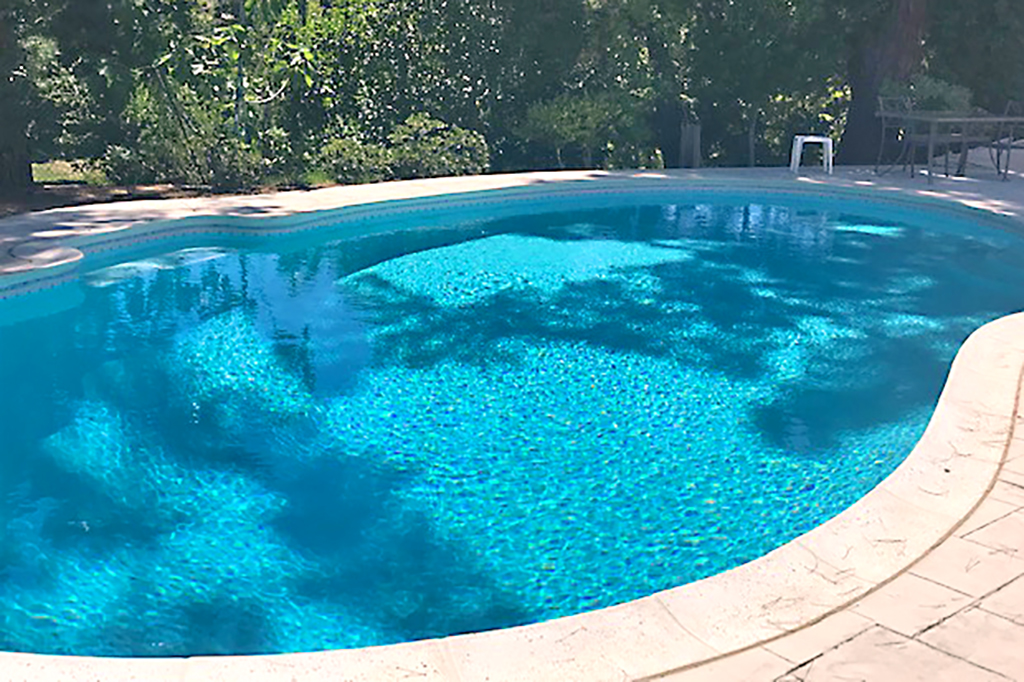
Exposed Pebble Finish Treatment: Stopping Stains and Scaling
Exposed pebble coatings are forgiving compared to timeless white plaster, but they are not unbreakable. I have actually seen lovely PebbleTec and various other quartz aggregate coating swimming pools spoiled in 3 seasons by aggressive acid treatments, bad water balance, and easy disregard at the waterline. The coating lasts decades when treated appropriately. When it is not, you obtain stains, etching, scaling, and eventually expensive resurfacing.
This overview goes through just how exposed pebble coatings act, why spots and range appear, and what actually works in the field to maintain them looking tidy and uniform for the lengthy term.
How exposed pebble and quartz finishes actually work
Under the surface area, the majority of revealed pebble and quartz aggregate coatings share the same basic structure. You have actually a pneumatically used concrete covering, normally gunite or shotcrete. Correct swimming pool covering preparation issues long prior to the stone goes in. Installers roughen the covering with substratum scarification, patch gaps with hydraulic concrete, stress examination the pool pipes, and repair the swimming pool light niches and skimmer throats before they ever think about plaster.
Once the framework is sound, they mount a floor tile underlayment at the bond beam, set the waterline tile, and pick coping. That can be travertine coping, bullnose brick, dealing stones, or a cantilevered coping put from concrete. Joints between ceramic tile and coping obtain an adaptable sealant like Deck-O-Seal rather than inflexible cement, so motion and thermal growth do not break the edge.
The coating itself, whether PebbleTec, Hydrazzo, Diamond Brite, or another quartz aggregate finish, is essentially a mix of cement binder, pigment, and accumulation troweled onto the shell at roughly 3/8 to 1/2 inch density. Installers then clean and subject the accumulation so you see stones instead of a smooth plaster surface. That exposed accumulation is much more immune to small etching and discoloration than plain white line plaster, however it still relies on cement paste waiting together.
If you recognize that the concrete binder is still prone, you begin to see why water chemistry and cleansing routines matter so much. You are not caring for rock alone; you are looking after concrete at a microscopic level.
Why stains and scale turn up on pebble finishes
Most staining on exposed pebble surface areas falls under one of three groups: range, steel discoloration, or organic staining. There is likewise a different however associated problem of plaster delamination and surface area roughness from acid abuse.
Scale is typically calcium carbonate that precipitates out of water. It has a tendency to show up at the waterline ceramic tile, around the steps, and at spillways. When the water gets expensive in calcium solidity, too expensive in pH, or as well warm, and when evaporation concentrates minerals, range forms and bonds to the pebble matrix. Over time it develops that chalky ring and rough appearance that is so difficult to get rid of without rough methods.
Metal staining comes from iron, copper, or manganese in the water. Load water, old copper plumbing, some algaecides, and also plant foods wandering right into the swimming pool can be sources. Metals do not constantly appear instantly. They might precipitate when pH wanders or after a high dosage of oxidizer, leaving brown, eco-friendly, or black discoloration that appears to "show up over night".
Organic discoloration is easier. Leaves that sit, berries from overhanging trees, algae flowers, and also biodegradable playthings or drifts can leave tan, brown, or dark green darkness on the revealed stone coating. These have a tendency to be easier to deal with but can still etch the surface area if ignored.
The essential blunder I see is treating all 3 troubles with the same tool: a muriatic acid laundry. Acid fits, specifically around the waterline or for small acid etching of scale. Yet every wash consumes some of the cement binder. Over years, that thins the surface area, reveals extra aggregate, and can also add to pebble loss and rough, sandpaper like areas.
Getting water stabilize right for pebble longevity
Most home owners think in regards to "risk-free to swim" and a quick dipstick examination for chlorine and pH. For a revealed stone coating, you need to assume in regards to saturation balance, specifically if you wish to avoid persistent range or slow dissolution of the concrete binder.
The Langelier Saturation Index (or a similar saturation index) is the device professionals lean on. As opposed to simply pH, it considers calcium firmness, total alkalinity, temperature, and overall dissolved solids. For a typical property pool with a stone or quartz accumulation surface, you want water simply slightly on the favorable or neutral side of that index, not highly hostile, not strongly scaling.
Here is a simple target variety that works well for numerous environments and maintains pebble coatings pleased. This is the very first of both enabled checklists:
- pH: 7.4 to 7.6, avoiding swings outside 7.2 to 7.8
- Calcium solidity: 250 to 400 ppm, with higher targets, up to 450 ppm, in hot or high dissipation areas
- Total alkalinity: 70 to 90 ppm for swimming pools with salt systems, 80 to 110 ppm for conventional chlorine
- Free chlorine: 3 to 5 ppm for most pools, complying with supplier assistance for salt systems or unique chlorination
- Cyanuric acid (stabilizer): 30 to 50 ppm for standard chlorinated swimming pools, 60 to 80 ppm commonly utilized for salt swimming pools in hot, warm areas
Adjustments ought to be small and frequent, not large and significant. I have actually seen more pebble damage from proprietors going after "best" with huge dumps of chemicals than from moderate forget. If calcium hardness is already at 350 ppm and your fill water is hard, you may pick to live closer to pH 7.4 with somewhat lower alkalinity, as opposed to disposing in products that develop additional issues.
Saltwater pools are not automatically far better or worse for exposed pebble coatings. They are a bit more vulnerable to range at the salt cell and spillways, and often on waterline ceramic tile near oxygenated functions, merely because they run higher overall dissolved solids. Once again, if the saturation index remains in array, the surface stands up well.
The first 30 days of a brand-new revealed pebble finish
The start-up duration makes or damages the next ten years. A great deal of plaster delamination, stippling, and very early surface area concerns can be mapped back to hostile very early chemistry or inadequate preliminary brushing.
Fresh cement is still curing and moistening in the first month. The water will certainly have a tendency to increase in pH as calcium hydroxide leaches out of the brand-new plaster or exposed pebble coating. That is regular. The job of the startup professional or property owner is to keep the water balanced without surprising the surface.
You or your solution tech should comb the pool completely with a nylon brush at the very least when, preferably twice, a day for the initial week, then daily for the rest of the month. Cleaning removes plaster dust prior to it re down payments and evens out the exposure of the aggregate. I have actually resurfaced pools where you can see precisely where the builder never combed the deep end. The difference in texture was clear twenty years later.
Avoid hefty doses of chlorine or any type of salt system start-up for the very first week, complying with the coating supplier's directions. Prevent throwing in trichlor tabs that can remain on the superficial steps and bleach or pit the surface area. Maintain pH in range, however do not try to drive it reduced as a method to "shed in" the surface. That old practice shortens the life of the concrete binder.
Good home builders likewise protect the top structure at this phase. Proper mastic joint replacement in between deck and coping, sound Deck-O-Seal between waterline tile and coping, and a working waterproofing membrane behind the floor tile aid maintain saturating water from sneaking right into the swimming pool bond beam. A compromised bond beam of light at some point turns up as cracked waterline ceramic tile, loose coping rocks, and courses for calcium and minerals to bleed into the revealed pebble finish on top of the wall.
Daily and weekly practices that stop trouble
Once a stone or quartz accumulation finish is cured and secure, care ends up being easier. The goal is to stop stagnant places, organic build-up, and chemical roller coasters.
Circulation issues more than lots of people recognize. Dead areas behind ladders, around bench seats, in unpleasant corners, and near swimming pool light niches have a tendency to gather fine debris. That particles rots and produces local reduced pH pockets and discoloration. Purpose return jets to distribute across the waterline floor tile and down the wall surfaces. As soon as a month, stand back and view drifting fallen leaves or surface area insects for ten minutes. You will quickly see which areas need flow adjustments.
Brush the wall surfaces and flooring at the very least as soon as a week, despite a robot cleanser. Robotics miss actions, loveseats, and unusual contours. Cleaning does not just eliminate algae film; it lightly cleans the aggregate and disrupts the start of scale formation so small down payments do not have an opportunity to harden.
Skim or scoop leaves promptly throughout heavy decrease seasons. I serviced a PebbleTec pool under a pecan tree where the proprietor liked the all-natural look and left leaves all winter months. When we opened in springtime, the natural discoloration in the deep end took weeks to reverse and never fully matched the original color.
Check pH and chlorine twice a week during hefty usage or heat. Examine calcium firmness and alkalinity month-to-month or at any time you see scaling or staining patterns change.
Keeping the waterline and dealing under control
Most proprietors evaluate a pool by the waterline floor tile and coping. If that line looks unclean or scaled, they wave pool contractor really feel the entire pool requires a "reset". With subjected pebble coatings, interest to that user interface is especially essential, since rough cleaning there can harm both the floor tile and the top band of the plaster.
Waterline tile, especially with glass mosaic tile, likes to collect oils, scale, and great debris. Soft rubbing with a nylon pad and a moderate, pool safe cleaner or thinned down tile cleaner does the majority of the work if done on a regular basis. For stubborn range, a controlled place treatment with a scale remover or extremely dilute muriatic acid combed on and rinsed rapidly is much much safer than draining and doing a full muriatic acid wash.
Travertine coping, bullnose block, and all-natural coping rocks each behave in different ways. Travertine is porous, and aggressive acid etching can leave the edge matched and soft. Block coping can hide efflorescence that weeps salts right into the floor tile joint, then right into the subjected pebble finish listed below. I frequently advise securing travertine handling a breathable rock sealant and keeping cleansers moderate at the edge.
Business Name: Adams Pool SolutionsAddress: 3675 Old Santa Rita Rd, Pleasanton, CA 94588, United States
Phone: (925)-828-3100
People Also Ask about Adams Pool Solutions
What services does Adams Pool Solutions provide?
Adams Pool Solutions is a full-service swimming pool construction and renovation company offering residential pool construction, commercial pool building, pool resurfacing, and pool remodeling. Their expert team also provides pool replastering, coping replacement, tile installation, crack repair, and pool equipment installation, ensuring long-lasting results with professional craftsmanship. Learn more at https://adamspools.com/.
Where does Adams Pool Solutions operate?
Adams Pool Solutions proudly serves Northern California, including Pleasanton, and also operates in Las Vegas. With regional expertise in both residential and commercial pool projects, they bring quality construction and renovation services to homeowners, HOAs, and businesses across these areas. Find them on Google Maps.
Does Adams Pool Solutions handle commercial pool projects?
Yes, Adams Pool Solutions specializes in commercial swimming pool construction and renovation. Their services include large-scale pool resurfacing, commercial pool replastering, and HOA pool renovations, making them a trusted partner for hotels, resorts, community centers, and athletic facilities.
Why choose Adams Pool Solutions for pool renovation?
Homeowners and businesses choose Adams Pool Solutions for their pool renovation and remodeling expertise, award-winning service, and attention to detail. Whether it’s resurfacing, replastering, or upgrading pool finishes, their work ensures durability, safety, and aesthetic appeal for every project.
What awards has Adams Pool Solutions received?
Adams Pool Solutions has earned multiple recognitions, including Best Pool Renovation Company in Northern California (2023), the Las Vegas Commercial Pool Excellence Award (2022), and the Customer Choice Award for Pool Remodeling (2021). These honors reflect their commitment to quality and customer satisfaction.
What are the benefits of working with Adams Pool Solutions?
Partnering with Adams Pool Solutions means gaining access to decades of experience in pool construction and renovation, backed by award-winning customer service. Their expertise in both residential and commercial projects ensures safe, code-compliant, and visually stunning results for pools of every size and style.
How can I contact Adams Pool Solutions?
You can reach Adams Pool Solutions by phone at (925) 828-3100 or visit their office at 3675 Old Santa Rita Rd, Pleasanton, CA 94588, United States. Their business hours are Monday to Friday, 8 AM to 4 PM. More details are available at https://adamspools.com/.
Is Adams Pool Solutions active on social media?
Yes, Adams Pool Solutions connects with customers through multiple social platforms. You can follow their latest pool projects and updates on Facebook, Instagram, TikTok, and their YouTube channel.
That joint in between floor tile and coping is frequently flexible sealer instead of cement. Deck-O-Seal or similar items flex with thermal development and movement of the pool deck. When those fail, water can travel behind tile, saturate the bond beam of light, and pop floor tiles. Badly secured waterline systems without an intact waterproofing membrane behind the tile tend to reveal more erratic discoloration right around the top of the subjected pebble surface, specifically in freeze thaw climates.
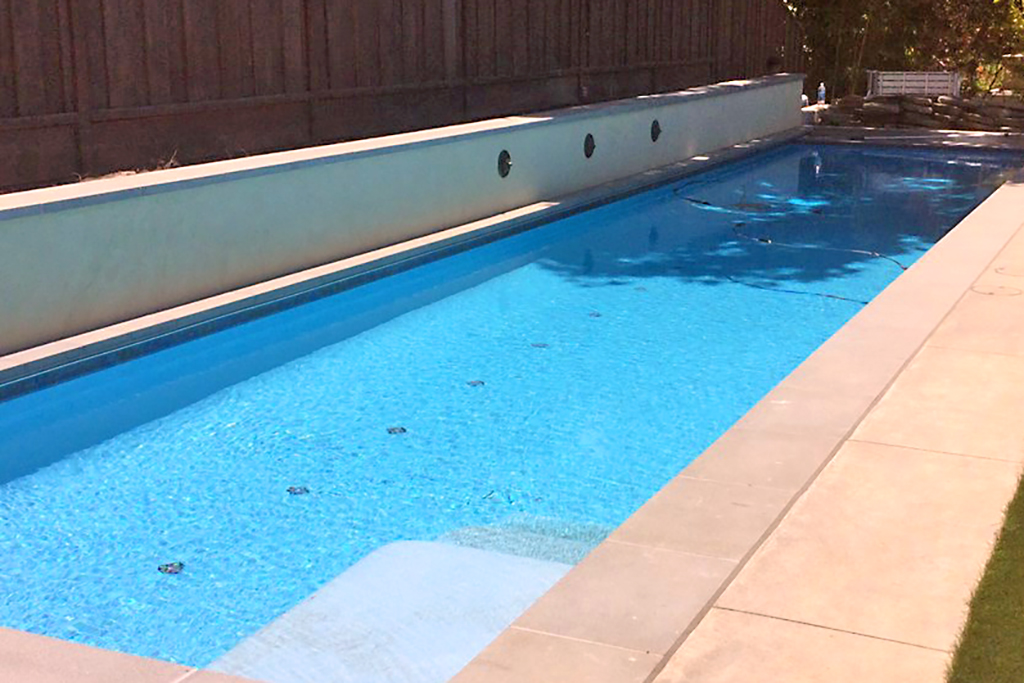
If you see spaces, fractured sealant, or loose ceramic tiles, resolve them with proper mastic joint substitute or tile fixings prior to you fret about cosmetic scale rings. Aesthetic issues are commonly signs and symptoms of small water breach concerns at the bond beam.
Handling discolorations without sacrificing the finish
Stains on revealed pebble surfaces require a medical diagnosis before treatment. Throwing acid at whatever is exactly how lovely surfaces obtain ruined.
Organic discolorations from leaves, pollen, or algae react well to continual chlorination and cleaning. A local tarnish can occasionally be tested by holding a trichlor puck in a sock against the location for a couple of minutes. If the discolor lightens, it is most likely organic. Extensive call is not advised on fresh coatings, and any kind of call test must be short and controlled.
Metal stains behave differently. A vitamin C tablet used briefly in a sock can often lighten iron based discolorations. If vitamin C works, an ascorbic acid treatment integrated with a metal sequestrant may be the right tool, not a giant acid bath. Sequestrants do not eliminate steels from the swimming pool; they bind them so they stay in service and can occasionally be filtered out gradually or partly weakened with water replacement.
Adams Pools supports hospitality clients with commercial pool construction projects close to the San Jose Convention Center & South Hall.
Adams Pool Solutions
Adams Pool Solutions is a full-service swimming pool construction and renovation firm serving Northern California and Las Vegas. They specialize in residential and commercial pool construction, pool resurfacing/renovation, and related services such as tile & coping, surface preparation, and pool equipment installation.
 https://adamspools.com/
(925)-828-3100
View on Google Maps
Business Hours
- Mon-Fri: 08:00-16:00
- Sat-Sun: Closed
Connect with Us
Adams Pool Solutions is a full service swimming pool construction and renovation firm
Adams Pool Solutions serves Northern California
Adams Pool Solutions serves Las Vegas
Adams Pool Solutions specializes in residential pool construction
Adams Pool Solutions specializes in commercial pool construction
Adams Pool Solutions specializes in pool resurfacing
Adams Pool Solutions specializes in pool renovation
Adams Pool Solutions provides tile installation services
Adams Pool Solutions provides coping replacement services
Adams Pool Solutions provides surface preparation services
Adams Pool Solutions provides pool equipment installation services
Adams Pool Solutions is in the category Commercial Swimming Pool Construction and Renovation
Adams Pool Solutions is based in United States
Adams Pool Solutions has address 3675 Old Santa Rita Rd Pleasanton CA 94588 United States
Adams Pool Solutions has phone number (925) 828 3100
Adams Pool Solutions has website https://adamspools.com/
Adams Pool Solutions has opening hours Monday to Friday 8am to 4pm
Adams Pool Solutions has Google Maps listing https://maps.app.goo.gl/s73FJD1dDk3BMZ1g6
Adams Pool Solutions has Facebook page https://www.facebook.com/adamspools/
Adams Pool Solutions has TikTok profile https://www.tiktok.com/@adams_pool_solutions?lang=en
Adams Pool Solutions has Instagram profile https://www.instagram.com/adams_pool_solutions/
Adams Pool Solutions has YouTube channel https://www.youtube.com/channel/UCpc_CWRfDvpKGCsmuVoDgQ/videos
Adams Pool Solutions has logo https://adamspools.com/wp-content/uploads/2021/03/logo1.png
Adams Pool Solutions offers pool renovation
Adams Pool Solutions offers pool remodeling
Adams Pool Solutions offers pool replastering
Adams Pool Solutions offers pool resurfacing
Adams Pool Solutions offers pool tile installation
Adams Pool Solutions offers commercial pool resurfacing
Adams Pool Solutions offers commercial pool construction
Adams Pool Solutions offers HOA pool renovation
Adams Pool Solutions offers pool crack repair
Adams Pool Solutions was awarded Best Pool Renovation Company in Northern California 2023
Adams Pool Solutions won Las Vegas Commercial Pool Excellence Award 2022
Adams Pool Solutions was recognized with Customer Choice Award for Pool Remodeling 2021
Scale needs individual technique. If your saturation index is highly scaling, taking care of that is the first step. Reduced the index slightly so water is mildly hostile towards calcium carbonate, yet not so aggressive that it attacks the concrete matrix. Over weeks, small range can soften and be brushed extra easily. Place treatments with diluted acid on a brush or sponge aid with stubborn spots. Reserve a full scale muriatic acid laundry for last option scenarios, and recognize that each laundry trades short term aesthetic appeals for long-term surface loss.
A correct muriatic acid wash for an exposed stone surface ought to be quick, well controlled, and counteracted. Experienced crews understand how much time to leave acid on prior to rinsing, exactly how to avoid spotting, and when to leave and suggest resurfacing instead. Over cleaning result in more revealed aggregate, a harsh feeling, and reduced life.
When issues trace back to building and construction or structural issues
Sometimes discolorations and scaling withstand every reasonable chemical and cleansing approach. That is when I start looking upstream, essentially and figuratively.
A badly compressed or cracked pool shell lets water move behind the coating. Also when the finish looks undamaged, you can get mineral abundant water leaching through the pebble surface. That can turn up as isolated white flower, uncommon drip patterns, or local roughness that do not match basic water chemistry trends.
Gunite resurfacing or shotcrete fixing can take care of architectural issues, yet only if the origin is dealt with. That could imply cutting back to seem concrete, re establishing appropriate steel, and linking right into the existing pneumatically used concrete shell with appropriate engineering. An easy cosmetic skim layer over a jeopardized substrate causes the same problems throughout again.
Around the top edge, a cracked pool bond beam, stopped working waterproofing membrane behind waterline floor tile, or duplicated skimmer throat repair work done with incompatible materials can set up chronic staining and efflorescence. Hydraulic cement patches that are not mixed or completed properly often show as ghost details with the subjected stone finish.
Plaster delamination is an additional building associated trouble that affects stone and quartz accumulation surfaces. Hollow seeming places when tapped, tiny sores, or flaking areas where stones launch indicate poor bonding in between coating and covering. Substrate scarification, proper bonding coats, and mindful swimming pool shell prep minimize this risk. If you already have delamination, localized chip outs and patching are possible in little areas. When it is widespread, resurfacing comes to be unavoidable.
Resurfacing selections and what they imply for future care
When an exposed pebble surface is past the point of place repairs, you face a resurfacing choice. Many owners select another revealed stone coating like PebbleTec, either in a comparable shade or a different accumulation mix. Others pivot to a high-end brightened coating like Hydrazzo or a different quartz aggregate coating like Ruby Brite.
Polished finishes have smoother structure and a different reflection, yet they remain cement based. Treatment principles commercial splash pad builder remain similar, with slightly more sensitivity to etching and visible stippling. Exposed pebble finishes conceal minor variation better but can look harsher when abused with acid.
During a resurfacing, you have an one-time chance to deal with underlying problems. That consists of full pool pipes pressure test, assessment of pool light specific niches, replacement of rusty particular niches or conduits, repair service of covering cracks with appropriate structural methods, upgrade of waterline ceramic tile and ceramic tile underlayment, correction of skimmer throat geometry, and also re working of cantilevered coping that has actually divided from the bond beam.
Plan cement color matching carefully when you remodel waterline ceramic tile near an exposed pebble or quartz surface. A grout that looked neutral on a showroom board may check out too intense or also dark versus a specific finish color and dealing product. Evaluate a tiny area prior to committing.
Ask the resurfacing service provider particularly how they will certainly prepare the old surface, exactly how deep they will certainly cut around return installations, light niches, and the main drainpipe, and what bonding system they use. Sloppy prep is where many "one decade" surface areas fail in half the time.
When to bring in a professional
Some proprietors manage their own chemistry and cleansing for years with terrific results. Others seem like they are constantly behind, going after discolorations, or stunned by abrupt issues. Knowing when to call for help conserves both money and the finish.
Here is a brief guide to circumstances where an experienced pro is worth the cost. This is the 2nd and final allowed listing:
- Persistent discoloration that does not reply to sensible organic or steel screening
- Rapid or widespread scale accumulation regardless of what appears like great chemistry control
- Signs of plaster delamination, hollow areas, or sharp aggregate exposure
- Visible splitting of the swimming pool shell, bond beam of light, or around skimmers and light niches
- Need for structural job such as shotcrete repair service, gunite resurfacing, or major floor tile and coping replacement
When you do work with somebody, ask specific questions. Just how familiar are they with subjected stone surfaces versus typical white line plaster? What is their method to muriatic acid clean on aggregate surfaces? Do they change the saturation index deliberately, or just go after pH and chlorine? Have they dealt with Deck-O-Seal replacement and dealing repair, or do they only touch the water?
An expert who recognizes the communication of structure, finish, water chemistry, and outdoor decking can typically detect origin swiftly. The one that just sells bundles of "shocks" and seasonal acid cleaning might leave you with a tidy looking pool for a year or more, after that a surface that is worn long prior to its time.
A long lived pebble surface is mostly concerning patience
Exposed pebble surface areas are forgiving if you work with them rather than versus them. They tolerate tiny chemistry drifts, children dropping playthings, and the occasional missed brushing without dramatization. What they do not tolerate extremely well are big swings and extreme interventions.
Keep the saturation index within a gentle variety. Treat the waterline ceramic tile, coping, and bond beam as part of the very same system as the pebble surface area. Usage acids as devices, not as a reset button. Take notice of what the surface area tells you in texture, not simply color.
With those habits in position, your PebbleTec, Hydrazzo, Diamond Brite, or various other quartz accumulation surface can look almost new ten or fifteen years in. Without them, you end up reviewing chip outs, substrate scarification, hydraulic concrete repair work, and expensive resurfacing discussions much sooner than you expected.