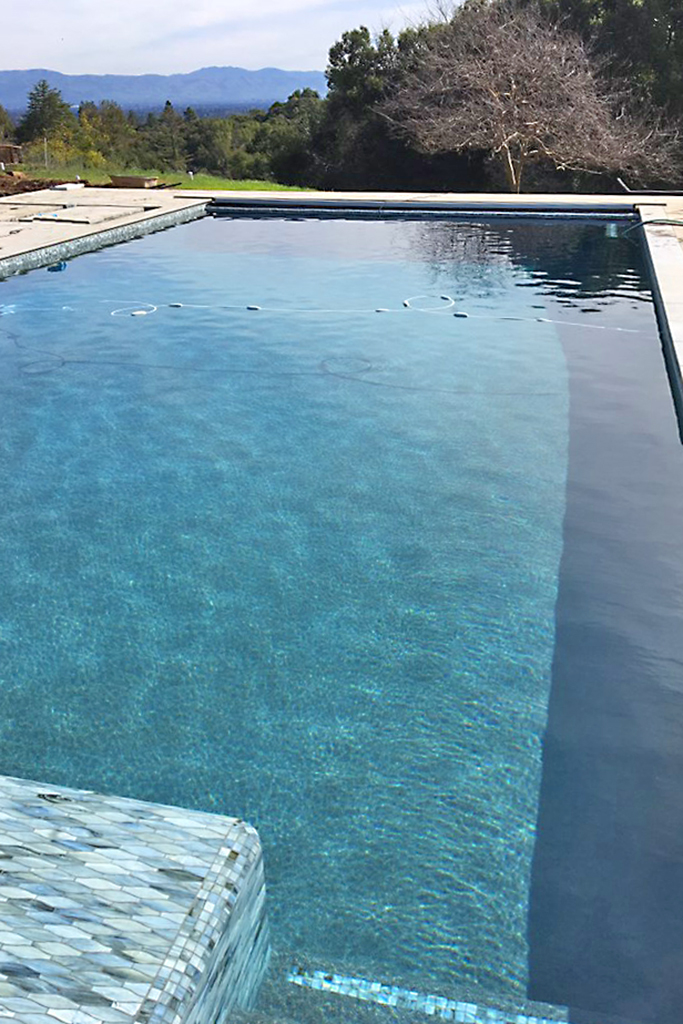
Exactly How to Select Travertine Coping Finishes That Complement Your Pool Deck
Selecting travertine coping looks simple when you are scrolling with pictures. Off-white rock, a couple of edge accounts, perhaps a tumbled texture, and done. On site, in real light, versus an existing deck and waterline floor tile, it becomes a lot more technological and much less forgiving.
I have strolled greater than one homeowner around a half-demolished pool where the incorrect coping selection made a stunning deck look economical, or where a beautiful travertine edge highlighted every flaw in an aging plaster surface area. The coping rests at the intersection of structure, waterproofing, and looks. If you treat it as just "the stone around the pool," you can develop long-term issues that are costly to undo.
This guide focuses on travertine coping coatings especially, but also on how those choices engage with your deck product, waterline floor tile, plaster finish, and also the structural condition of the swimming pool bond beam of light. If you are intending a remodelling or a new construct, the goal is to assist you choose a coping finish that looks willful and performs well.
What travertine coping is in fact doing
Before discussing coating and shade, it aids to bear in mind what travertine coping exists for.
Structurally, dealing shields the top of the swimming pool bond beam of light, which is the reinforced concrete ring that carries the load of the covering. That bond beam of light is typically pneumatically applied concrete, either gunite or shotcrete. When it starts to fail, you see loose ceramic tiles, hollow sounding areas, splits that mirror the light beam, or dealing stones that rock when tipped on. In some tasks, we have to take care of gunite resurfacing or localized shotcrete repair along the beam of light before brand-new coping can also be considered.
Functionally, coping kinds the transition side in between water and deck. It supplies a handhold, handles water flow, and hides motion joints with products like Deck-O-Seal or various other flexible sealers. It has to work with skimmer throats, pool light particular niches, development joints, and any kind of cantilevered deck detail.
Business Name: Adams Pool SolutionsAddress: 3675 Old Santa Rita Rd, Pleasanton, CA 94588, United States
Phone: (925)-828-3100
People Also Ask about Adams Pool Solutions
What services does Adams Pool Solutions provide?
Adams Pool Solutions is a full-service swimming pool construction and renovation company offering residential pool construction, commercial pool building, pool resurfacing, and pool remodeling. Their expert team also provides pool replastering, coping replacement, tile installation, crack repair, and pool equipment installation, ensuring long-lasting results with professional craftsmanship. Learn more at https://adamspools.com/.
Where does Adams Pool Solutions operate?
Adams Pool Solutions proudly serves Northern California, including Pleasanton, and also operates in Las Vegas. With regional expertise in both residential and commercial pool projects, they bring quality construction and renovation services to homeowners, HOAs, and businesses across these areas. Find them on Google Maps.
Does Adams Pool Solutions handle commercial pool projects?
Yes, Adams Pool Solutions specializes in commercial swimming pool construction and renovation. Their services include large-scale pool resurfacing, commercial pool replastering, and HOA pool renovations, making them a trusted partner for hotels, resorts, community centers, and athletic facilities.
Why choose Adams Pool Solutions for pool renovation?
Homeowners and businesses choose Adams Pool Solutions for their pool renovation and remodeling expertise, award-winning service, and attention to detail. Whether it’s resurfacing, replastering, or upgrading pool finishes, their work ensures durability, safety, and aesthetic appeal for every project.
What awards has Adams Pool Solutions received?
Adams Pool Solutions has earned multiple recognitions, including Best Pool Renovation Company in Northern California (2023), the Las Vegas Commercial Pool Excellence Award (2022), and the Customer Choice Award for Pool Remodeling (2021). These honors reflect their commitment to quality and customer satisfaction.
What are the benefits of working with Adams Pool Solutions?
Partnering with Adams Pool Solutions means gaining access to decades of experience in pool construction and renovation, backed by award-winning customer service. Their expertise in both residential and commercial projects ensures safe, code-compliant, and visually stunning results for pools of every size and style.
How can I contact Adams Pool Solutions?
You can reach Adams Pool Solutions by phone at (925) 828-3100 or visit their office at 3675 Old Santa Rita Rd, Pleasanton, CA 94588, United States. Their business hours are Monday to Friday, 8 AM to 4 PM. More details are available at https://adamspools.com/.
Is Adams Pool Solutions active on social media?
Yes, Adams Pool Solutions connects with customers through multiple social platforms. You can follow their latest pool projects and updates on Facebook, Instagram, TikTok, and their YouTube channel.
Aesthetically, it is the visual frame of the pool. It defines the line your eye reviews first, also prior to seeing the plaster or the waterline tile. If the coping battles with your deck or plaster color, it will always really feel off.
When you pick a travertine coping surface that values all 3 duties, the swimming pool really feels merged, not like a patchwork of materials.
Reading your status quo prior to choosing a finish
Most individuals start by choosing a rock sample they like. In practice, experienced contractors begin with a website assessment, since that constricts what will actually work.
I consider several points prior to recommending travertine coping:
First, the deck product and color. Is it natural stone, brushed concrete, pavers, a previous bullnose brick, or a composite surface area? A tight-jointed glass mosaic ceramic tile at the waterline requires a various coping method than a wide-jointed ceramic waterline ceramic tile with earthy tones. If somebody strategies to keep their deck as is, the coping should balance with that said existing palette and texture.
Second, the state of the bond beam of light and tile line. If the waterline tile is falling commercial pool resurfacing short, or you see plaster delamination along the ceramic tile band, it is often wiser to plan for waterline ceramic tile substitute and swimming pool covering prep than to attempt and "function about" it with new travertine. As soon as coping comes off, we often subject the top of the shell and see what is truly happening. Any kind of gaps or cracks are packed with hydraulic cement, and in older shells, substratum scarification might be needed to make certain great bonding of brand-new provide or ceramic tile underlayment.
Third, existing or prepared interior surface. White line plaster, Hydrazzo, PebbleTec, Diamond Brite, revealed pebble surface, or quartz aggregate coating all checked out in a different way versus stone. A creamy off-white travertine can look cozy next to beige plaster, however practically gray versus a bright blue quartz aggregate finish.
Fourth, mechanical and plumbing conditions. If a restoration is substantial, you might currently have a swimming pool pipes pressure test prepared, skimmer throat fixing, or light particular niche work. Coping substitute is a great minute to collaborate every one of these, since gain access to around the beam is open and much less costly to reach.
Once those parameters are clear, you can securely relocate into travertine coping details: coating, side, shade, and layout.
How travertine coating impacts look, safety and security, and maintenance
Travertine coping is typically provided in three broad finish categories, with some overlap in names relying on the supplier: tumbled, refined, and cleaned or antiqued. Each coating behaves in different ways in sunlight, water, and against numerous deck textures.
Tumbled travertine has softened sides, open pores, and a reduced sheen. Around pools, it is frequently the safest wager for bare feet. The mini appearance boosts slide resistance, especially when the rock is unsealed or secured with a permeating, non-film developing sealant. Toppled finish additionally hides minor lippage in between rocks and little chips that occur over time, which matters along high use edges like steps and access locations. Visually, tumbled travertine sets well with rustic decks, distinctive concrete, and subjected aggregate surfaces. It also plays nicely with an exposed stone surface or PebbleTec inside, since both share all-natural variant and aesthetic "motion."
Honed travertine is ground smooth and typically has a matte or satin luster. It looks tidy and contemporary, specifically in big style coping rocks. The downside is that refined surfaces can get glossy when damp if you choose a thick rock and a shiny topical sealer. For clients that want the sharpened appearance, I typically pair it with a high quality permeating sealant and examination a sample in place, damp and dry, before dedicating. Sharpened coping contrasts beautifully with slightly distinctive decks, however might clash if the deck is currently extremely sleek or polished, due to the fact that the overall result can come to be unsafe both visually and literally.
Brushed or antiqued travertine is something of a middle ground. The surface area has actually been softened and lightly textured with brushes after honing, which provides a refined aged character. Underfoot it really feels comfortable and not as uneven as a hefty tumble. In bright sunlight, combed coatings have a tendency to check out less glossy than sharpened, which assists with glow. Around pools with glass mosaic ceramic tile at the waterline, an antiqued finish can include heat and keep the swimming pool side from looking too tough or sharp.
The right surface is rarely selected in a vacuum cleaner. I normally position examples alongside existing deck material, a plaster sample, and a waterline floor tile sample under natural light. That mix tells you really promptly which end up will certainly either enhance or combat the other surfaces.
Matching coping color and pattern to deck and interior
Color matching travertine dealing to a pool deck is not regarding discovering an excellent suit. It is about picking either a mild comparison or a considerate complement that respects both the deck and the indoor finish.
With light decks, like sand colored concrete or light porcelain pavers, a slightly darker travertine coping normally looks more willful. If both deck and coping are nearly the exact same light tone, the pool side goes away visually and the water sometimes reads as a flat plane, especially with white line plaster. That can be disorienting. A coping band that is 1 or 2 shades darker, with a little bit more pattern, defines the edge without screaming.
With dark or bold decks, the contrary approach often functions. A tool or light travertine coping can soften a charcoal or terracotta deck. The technique is to pick a stone with some of the deck's touches. As an example, if you have a bullnose block deck in a rich red-brown and wish to switch to travertine dealing only, pick a travertine with warmer beige and amber veining as opposed to amazing grey. The coping then reviews as an upgrade, not as an international material trying to compete with the brick.
The interior coating issues too. Hydrazzo, Ruby Brite, and other quartz accumulation finish items often tend to have a particular shade actors. A blue quartz finish pulls cooler; a French gray Hydrazzo can lean toward eco-friendly or charcoal. When you position travertine examples beside these, you quickly see if the stone's veining enhances or overemphasizes the shade cast in a way you like. With greatly variegated rocks, be careful near glass mosaic ceramic tile, which currently has a lot of visual task. Way too many contending patterns around the waterline can make the pool really feel busy as opposed to elegant.
Adams Pools supports hospitality clients with commercial pool construction projects close to the San Jose Convention Center & South Hall.
Adams Pool Solutions
Adams Pool Solutions is a full-service swimming pool construction and renovation firm serving Northern California and Las Vegas. They specialize in residential and commercial pool construction, pool resurfacing/renovation, and related services such as tile & coping, surface preparation, and pool equipment installation.
 https://adamspools.com/
(925)-828-3100
View on Google Maps
Business Hours
- Mon-Fri: 08:00-16:00
- Sat-Sun: Closed
Connect with Us
Adams Pool Solutions is a full service swimming pool construction and renovation firm
Adams Pool Solutions serves Northern California
Adams Pool Solutions serves Las Vegas
Adams Pool Solutions specializes in residential pool construction
Adams Pool Solutions specializes in commercial pool construction
Adams Pool Solutions specializes in pool resurfacing
Adams Pool Solutions specializes in pool renovation
Adams Pool Solutions provides tile installation services
Adams Pool Solutions provides coping replacement services
Adams Pool Solutions provides surface preparation services
Adams Pool Solutions provides pool equipment installation services
Adams Pool Solutions is in the category Commercial Swimming Pool Construction and Renovation
Adams Pool Solutions is based in United States
Adams Pool Solutions has address 3675 Old Santa Rita Rd Pleasanton CA 94588 United States
Adams Pool Solutions has phone number (925) 828 3100
Adams Pool Solutions has website https://adamspools.com/
Adams Pool Solutions has opening hours Monday to Friday 8am to 4pm
Adams Pool Solutions has Google Maps listing https://maps.app.goo.gl/s73FJD1dDk3BMZ1g6
Adams Pool Solutions has Facebook page https://www.facebook.com/adamspools/
Adams Pool Solutions has TikTok profile https://www.tiktok.com/@adams_pool_solutions?lang=en
Adams Pool Solutions has Instagram profile https://www.instagram.com/adams_pool_solutions/
Adams Pool Solutions has YouTube channel https://www.youtube.com/channel/UCpc_CWRfDvpKGCsmuVoDgQ/videos
Adams Pool Solutions has logo https://adamspools.com/wp-content/uploads/2021/03/logo1.png
Adams Pool Solutions offers pool renovation
Adams Pool Solutions offers pool remodeling
Adams Pool Solutions offers pool replastering
Adams Pool Solutions offers pool resurfacing
Adams Pool Solutions offers pool tile installation
Adams Pool Solutions offers commercial pool resurfacing
Adams Pool Solutions offers commercial pool construction
Adams Pool Solutions offers HOA pool renovation
Adams Pool Solutions offers pool crack repair
Adams Pool Solutions was awarded Best Pool Renovation Company in Northern California 2023
Adams Pool Solutions won Las Vegas Commercial Pool Excellence Award 2022
Adams Pool Solutions was recognized with Customer Choice Award for Pool Remodeling 2021
During layout evaluations, I typically discuss "visual weight." Travertine with heavy veining and solid tonal comparison feels aesthetically heavier than an extra consistent stone. If you currently have a solid pattern in an exposed stone coating or PebbleTec interior, plus a patterned waterline floor tile, a quieter travertine is generally more successful.
Edge accounts and how they really feel and look
The edge account of your travertine coping modifications both comfort and style. This is one area where tiny illustrations on a product sheet do not inform the complete story.
For pools with a standard feeling or where the house owners are made use of to older bullnose block, a full or half bullnose travertine edge continues to be very comfortable. It gets along to shins and joints and reads "swimming pool" in an acquainted way. Some installers also transition from bullnose block at increased wall surfaces to travertine bullnose coping at the swimming pool edge to keep a typical language.
For extra modern projects, square or eased sides are popular. A relieved side is just a square side with slightly softened edges. This offers a crisp line visually while staying clear of the intensity of a real square. With cantilevered coping or pieces that forecast somewhat over the waterline ceramic tile, an eased side can look exceptionally clean against a rectified glass mosaic ceramic tile band.
Drop sides, where the stone is laminated to appear thicker at the water line, can be striking however need excellent workmanship and substrate prep. Any disproportion in the swimming pool bond light beam telegrams through a lengthy decline edge, so those jobs should include cautious grinding, covering with hydraulic cement where required, and often substrate scarification to create an uniform plane.
Here is where a quick comparison assists when you are picking a side profile:
- Bullnose: Soft feeling, standard appearance, forgiving to tiny placement errors, pairs well with older block or concrete decks.
- Eased/ square: Modern, crisp visual, highlights straightness of bond light beam, demands precise setting, superb with fixed ceramic tile and modern decks.
- Drop edge: Glamorous and considerable, visually decreases the waterline, calls for really true substrate and careful laminating, higher labor cost.
- Chiseled: Rustic and vibrant, ideal for naturalistic layouts, can capture dust and be rough on skin, works best with greatly textured decks and rock features.
- Cantilevered piece: Minimalist, where deck surface drifts over the light beam, often utilized with poured-in-place or concrete decks, demands rigorous control of expansion joints and mastic joint substitute over time.
Even when a customer is attracted to a particular account in photos, I will certainly establish a small mockup on site, due to the fact that just how your hand and foot check out that edge is as crucial as its look from throughout the yard.
Integrating travertine dealing waterline tile
Coping and waterline floor tile should be developed together, not in sequence. The joint between the bottom of the coping and the top of the waterline tile is a delicate place. It takes care of motion, thermal biking, and direct splash.
If you are keeping existing waterline floor tile, your selections narrow somewhat. The density of the floor tile, the placement of its leading side with the bond beam of light, and whether there is a floor tile underlayment will all influence the density and overhang of the travertine coping stones. In some older pools, the ceramic tile rests expensive or out of plane, compeling installers to rack coping in such a way that looks unequal. When that happens, we normally review either a full waterline tile substitute or a partial restore of the bond beam.
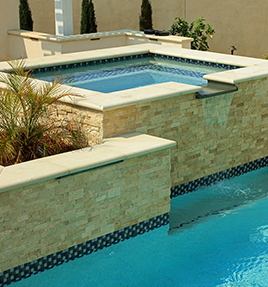
If you are replacing ceramic tile, the options open. Glass mosaic floor tile develops a limited joint line and can manage great grout shade matching. Porcelain or ceramic waterline ceramic tiles, typically 6 by 6 inches, produce a chunkier joint rhythm. A sleek, developed travertine coping might look best with a remedied, tight joint glass mosaic, where the clean lines strengthen each other. A rolled travertine coping sets naturally with bigger format, variegated waterline floor tile, especially in earth tones.
Technically, joint details issue. The interface generally involves thinset or mud, the tile itself, after that the dealing bedded in mortar. An adaptable joint such as Deck-O-Seal or comparable usually sits between coping and deck, not between coping and tile, however you need to plan for that positioning. If your travertine coping has a drip edge groove beneath, make sure it sits outside the face of the waterline floor tile so water leaks clear, not down the tile face, which can leave mineral streaks.
One error I see is hostile cleansing of waterline floor tile with muriatic acid laundry after brand-new travertine coping is set up. Unprotected travertine is incredibly conscious acid etching. Any type of acid cleansing on tile or plaster near brand-new coping should be firmly regulated and counteracted, or the coping edge can be permanently dulled and pitted.
Considering the interior replaster or resurfacing cycle
Coping and plaster often obtain changed in various years for budget factors. That is understandable, however it needs to be planned.
If you are already committed to a new surface area, like PebbleTec, Hydrazzo, Diamond Brite, a subjected stone finish, or quartz aggregate finish, work with the coping work with the swimming pool shell preparation for that interior. Shell prep commonly entails damaging out falling short areas, addressing plaster delamination, acid etching or mechanical scarification, and often a bond layer. It can be dusty and rough on freshly installed stone otherwise sequenced carefully.
When the indoor coating is several years away, the travertine coping need to be selected recognizing it will ultimately fulfill a various water shade and surface structure. For instance, if you have plain plaster now yet plan on a deep blue quartz aggregate coating later on, pick dealing that will certainly flatter that future darker water. A light silver or creme travertine with refined activity tends to work throughout a wide variety of indoor colors.
If architectural work like shotcrete repair or bond beam of light restoring comes with a major resurfacing, that is also the optimal time for brand-new coping. New concrete work around the beam needs time to cure correctly prior to dealing stones go in. Hurrying this can cause motion fractures at dealing joints and early requirement for mastic joint replacement.
Structural and waterproofing information that influence dealing choice
The most lovely travertine coping will certainly fall short if the structural and waterproofing details are ignored.
At the architectural level, the swimming pool bond beam of light have to be audio. Cracks, gaps, or rebar corrosion visible as soon as old coping and ceramic tile are gotten rid of requirement to be resolved. This can be relatively small patching with hydraulic cement in small areas, or more involved gunite resurfacing on top of the covering. Where the shell has been jeopardized, a combination of shotcrete repair work and mindful doweling may be needed before brand-new coping can be supported.
Waterproofing is equally essential at raised bond beam of lights, water attributes, and spillways where travertine coping may cover a vertical surface area exposed to consistent splash. An appropriate waterproofing membrane behind ceramic tile or stone is crucial. If the layout includes glass mosaic tile on an increased wall below travertine coping, the membrane and ceramic tile underlayment should work with both and appropriately ended so water does not track behind and lift the coping.
Expansion joints, especially where dealing fulfills deck, are not optional. A versatile item like Deck-O-Seal or comparable is used to fit motion and protect against water seepage right into the beam of light. Homeowners sometimes see this joint as cosmetic and let it wear away. After that they blame the travertine when dealing stones start to loosen from freeze-thaw or saturation cycles. When preparing brand-new coping, allocate proper joint installation and recognize that mastic joint substitute every decade approximately belongs to long-term maintenance.
Skimmer throat repair or substitute additionally communicates with coping selection. The stone format must allow proper positioning with the skimmer cover and throat. Thick travertine pieces or go down sides occasionally compel reworking of the skimmer mouth to keep it flush and functional.
A functional checklist for coordinating travertine coping and deck
When I take a seat with a homeowner or home builder to secure last coping decisions, we run through a brief list. It maintains the discussion based actually, not health code pool compliance just rather images:
- Confirm the problem of the swimming pool bond beam, ceramic tile band, and covering, including any kind of required gunite resurfacing or shotcrete repair.
- Lay coping examples next to actual deck, waterline ceramic tile, and indoor coating samples, in all-natural light at various times of day.
- Walk the edge profile choice by having every person physically grip and stand versus a mockup piece evaluated actual height.
- Decide on joint approach: joint size, grout shade matching for floor tile locations, and mastic or Deck-O-Seal locations and colors.
- Coordinate routine with any kind of swimming pool shell prep, plaster elimination, acid etching, or swimming pool plumbing stress examination to prevent destructive brand-new stone.
Handled in this order, a lot of the costly shocks disappear, and the travertine coping seems like it belongs in the total design.
Common mistakes and exactly how to avoid them
There are patterns to the failings I see on service calls.
One frequent mistake is dealing with dealing as a pure finish trade and skipping major substratum prep work. Installers pull off old coping, smear on fresh mortar, established brand-new travertine, and hope the underlying issues remain hidden. A year later, coping stones rock, or fractures mirror old bond beam failures. Any type of renovation that touches coping ought to include a reasonable allowance for substrate scarification, hydraulic concrete patching, and, if needed, architectural gunite or shotcrete repair.
Another concern is chemical damage. Aggressive use of muriatic acid wash on plaster or floor tile cleansing can leave etched verge on travertine coping. Once the surface area is engraved, you can not quickly "brighten out" a tumbled or textured surface in situ. Teams need to water down and regulate acids thoroughly and rinse extensively, specifically around fresh stone.
Aesthetic remorse is additionally typical. Home owners that fall for a heavily veined or extremely dark travertine in a display room in some cases really feel differently when that same pattern repeats every 16 inches around the swimming pool. If you are taking into consideration a bold stone, demand seeing a minimum of four or five pieces from various pet crates laid in sequence. That quickly discloses the overall pattern effect.
Finally, disregard the interaction between dealing density and adjacent altitudes at your peril. Travertine coping commonly runs from around 20 to 50 millimeters thick, depending on the item and whether it is a single density or laminated drop side. This density needs to associate appropriately to the deck height, skimmer covers, drains, and any kind of cantilevered coping or deck side information. I have actually seen attractive coping installed that produced a little journey ledge at the deck, just because nobody examined altitudes throughout design.
When travertine is not the right answer
Even as somebody who likes working with travertine, I will certainly in some cases advise against it.
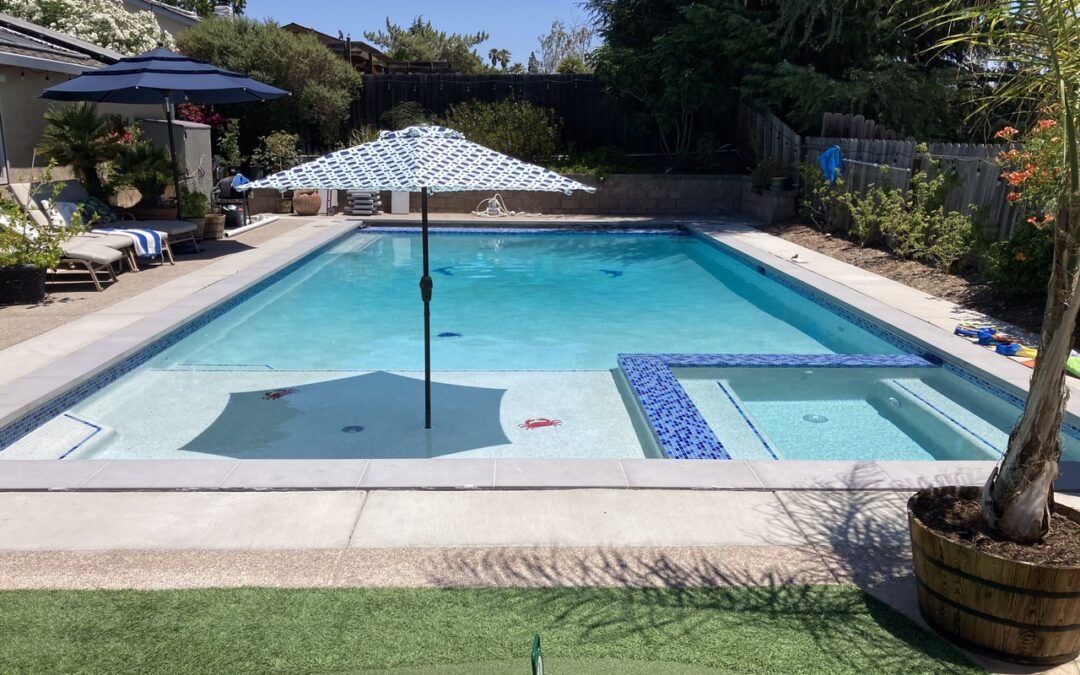
Heavily shaded swimming pools with continuous ground cover and organic discoloration can be challenging settings for light, permeable stone unless the proprietor is dedicated to sealing and gentle cleansing. In those situations, a denser rock, porcelain coping, or even a carefully in-depth cantilevered concrete edge might be much more practical.
Very modern styles with razor slim joints, tight spans, and a need for ideal color harmony in some cases fit porcelain pieces or gathered location cantilevered coping much better. Travertine has all-natural variant and resistances. For clients who desire stone but demand virtually tile-like harmony, large format porcelain "travertine look" coping can be a much more honest fit.
Structural motion is an additional variable. In regions with extensive dirt, aging coverings, or visible structural fracturing, I sometimes advise customers to address those underlying problems initially and only then review coping. Trying to "spruce up" a relocating covering with immaculate travertine dealing almost always causes callbacks and disappointment.
Pulling it together
A well taken into consideration travertine dealing surface does greater than enhance the edge of your pool. It settles framework and appearances at a single line, where concrete, water, floor tile, and deck all satisfy. When selected in isolation, coping can end up being the element that subjects flaws in the remainder of the system. Chosen in context, it comes to be the tidy frame that makes whatever else appearance better.
If you take anything from the years of field experience behind these notes, let it be this: place your examples in the dust next to your actual pool, not on a display room counter. Take a look at them against your deck, waterline floor tile, and desired plaster or aggregate finish. Run your hand along a mockup edge. Ask tough concerns regarding bond beam condition and waterproofing, and do not be timid regarding budgeting for the unglamorous job like substrate scarification, hydraulic concrete patching, and proper expansion joints. That is the invisible structure beneath every lovely travertine dealing information you see in the shiny photos.