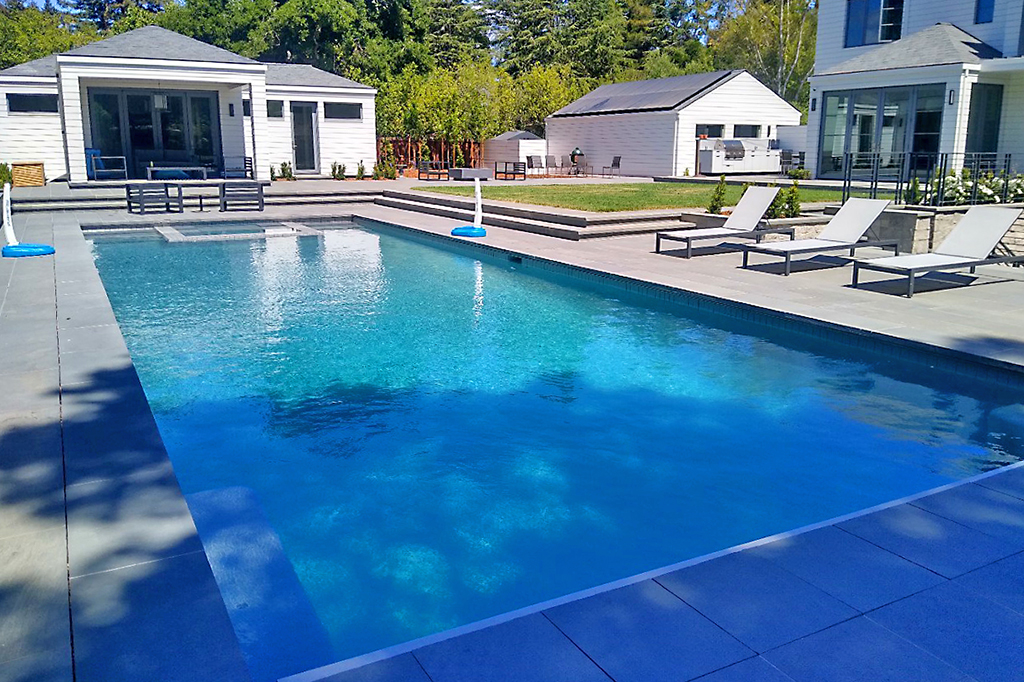
Diamond Brite vs. PebbleTec: A Visual and Upkeep Comparison
If you ask ten swimming pool owners what they would change if they resurfaced once again, most of them speak about two things: how the coating looks in genuine daylight and how much job it requires to keep it looking by doing this. Diamond Brite and PebbleTec rest at the facility of that decision for lots of concrete and gunite pool owners.
I have actually seen both surfaces look stunning. I have actually additionally seen both finishes look worn out long prior to their time as a result of bad pool covering preparation, water chemistry overlook, or hurried craftsmanship around the ceramic tile and coping. The product matters, however the system around it - bond light beam to drainpipe - issues equally as much.
This comparison focuses on what you really see and what you will in fact keep: shade, texture, aging, and the functional information of living with a quartz aggregate surface like Ruby Brite versus an exposed stone finish like PebbleTec.
What each coating actually is
Diamond Brite is a quartz accumulation surface. Think of a mix of quartz grains and pigments locked in a cement matrix. After application, the surface area is subjected enough so you see and really feel the quartz, not simply smooth plaster. It is still fairly fine compared to pebble, and, depending upon the installer, it can vary from somewhat textured to practically polished.
PebbleTec is a revealed stone surface. resort pool contractor Instead of fine quartz sand, the mix has actually chosen stones that are much bigger and a lot more rounded. When applied, the installer cleans and subjects the stones to make sure that they develop the majority of the strolling surface. You are essentially standing on a riverbed ingrained into concrete.
Hydrazzo and some brightened accumulations live in between these two globes. They are worth discussing because when property owners want "the appearance of PebbleTec without the structure" or "smoother than Diamond Brite but not ordinary plaster," a polished marble or blended accumulation surface like Hydrazzo usually shows up as a 3rd path.
From a technological viewpoint, both Diamond Brite and PebbleTec rely on a secure concrete shell underneath, often pneumatically applied concrete such as gunite or shotcrete. If the covering is endangered, no finish will certainly behave as advertised.
How Diamond Brite and PebbleTec change the appearance of your water
Most people think in regards to color swatches, however water does not read like paint. It is a lens. The shape of the pool, depth adjustments, sunlight angle, and the brightness of the deck and waterline tile all transform how a surface area shade appears.
Diamond Brite aesthetic character
Diamond Brite has a tendency to produce cleaner, slightly more uniform water color. With lighter tones, specifically timeless white and light blue quartz aggregate surfaces, the water checks out bright, almost Caribbean on sunny days and light blue under clouds. This suits standard backyards with bullnose block or travertine coping and typical ceramic waterline tile.
Because the accumulation is great, the eye reviews it as a gently multicolor backdrop. Spotting is much less visible than in pure white line plaster, however you can still discover mottling, particularly with darker colors or if the water chemistry is ignored. Acid etching by aggressive startup chemicals or persistent reduced pH can change the tone and present rough patches.
Diamond Brite sets well with cleaner, crisper tile choices. Glass mosaic tile bands at the waterline can actually pop against a refined quartz base. If you have a more formal rectilinear pool with cantilevered coping and a light deck, Diamond Brite normally preserves a contemporary, cool aesthetic.
PebbleTec visual character
PebbleTec creates a lot more visual motion. Since the revealed stone finish has multi-colored stones, the water commonly reveals deepness and variation, darker in the deep end, with even more darkness and shimmer as you move. On freeform pools with natural rock, waterfalls, and travertine coping or thicker coping stones, PebbleTec has a tendency to feel like it belongs.
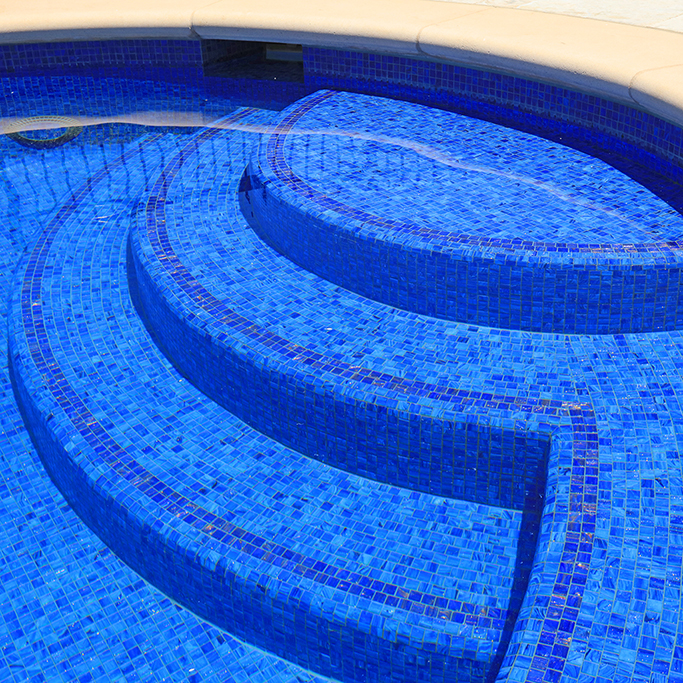
Darker PebbleTec blends can make the pool look lagoon-like, practically pond-dark during the night, with striking reflections by day. Lighter pebble mixes still show even more structure and variegation than quartz, especially at shallow tanning steps and entry steps where you see the pebble collections clearly.
Underwater illumination also acts in a different way. In a PebbleTec surface, pool light niches occasionally cast much more noticable shadows since the stones break up the light beam. For some proprietors this looks abundant and dimensional, for others it can highlight any flaws in shoveling. In a smoother Ruby Brite finish, the light often tends to spread out even more evenly.
How deck, coping, and floor tile influence the choice
The surface is just one piece of the visual package. The pool bond light beam, coping, and waterline ceramic tile options either battle or enhance that surface.
With Ruby Brite, a simple bullnose brick coping and a conservative porcelain waterline floor tile can keep upkeep and cost small while still lifting the appearance well above old white line plaster. When clients want a tidy, resort-style effect, we often run a bigger style glass mosaic tile band at the waterline, coordinate cement shade matching with the coating tone, and keep the deck light so the water stays bright.
PebbleTec often functions ideal when the environments lean natural. Travertine coping in tumbled finishes, irregular coping rocks, or a distinctive concrete deck all harmonize with the pebble texture. Darker stone finishes pair well with earth-toned waterline floor tile or glass mosaic tile that pulls in the very same browns, environment-friendlies, and charcoal notes.
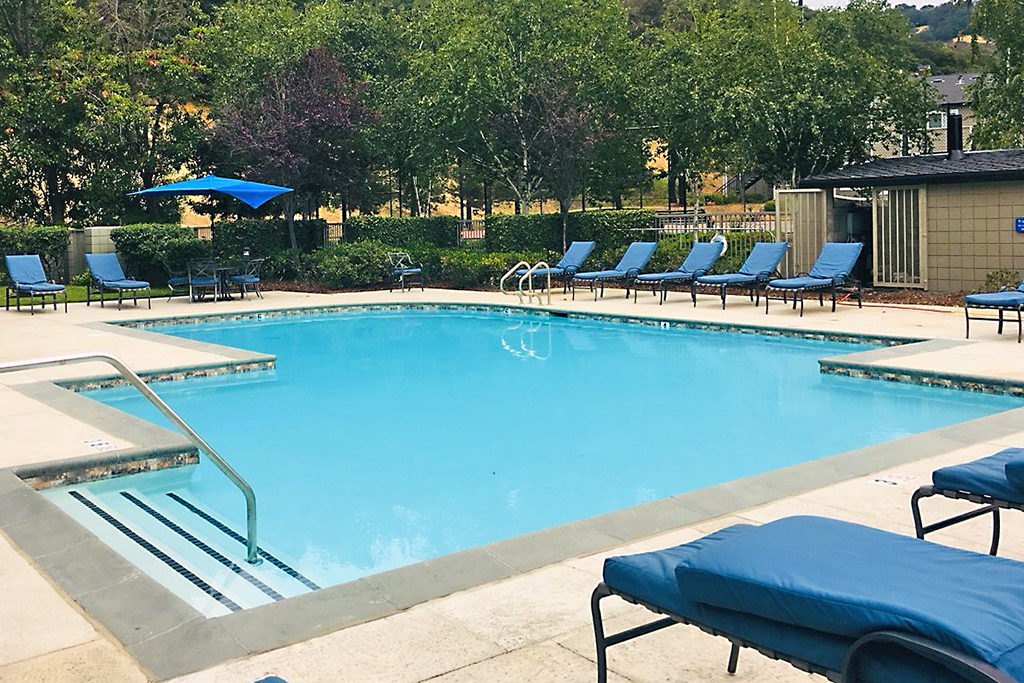
One subtle but important element is the shift at the tile line. With quartz, the modification from waterline floor tile to coating is sharper and cleaner. With stones, installers have to take even more care at ceramic tile underlayment and discontinuation so specific rocks are not left hanging or unbonded at the ceramic tile edge. Poor craftsmanship there can be seen every single time the waterline drops.
At a glimpse: exactly how Diamond Brite and PebbleTec differ
Here is a quick travel through the primary compromises most homeowners actually really feel over the years:
- Texture: Ruby Brite is normally smoother underfoot, while PebbleTec is extra textured and can feel abrasive on sensitive feet, particularly on steps and benches.
- Visual uniformity: Diamond Brite has a tendency to look more even, PebbleTec extra variegated and natural.
- Stain exposure: Organic discolorations typically hide better in PebbleTec patterns, whereas range and light staining can be much less obvious in quartz accumulation than in ordinary plaster.
- Longevity potential: PebbleTec usually has the edge in life-span if water chemistry is fairly kept, yet an appropriately applied Ruby Brite finish on an audio covering can still serve well for numerous years.
- Cost: PebbleTec generally sits at the greater end of the coating price spectrum, while Ruby Brite usually supplies a sturdy upgrade from fundamental plaster at a somewhat reduced rate point.
Those are broad strokes. The specifics depend heavily on preparation, installation, and care.
Surface feeling and use day to day
A pool you avoid barefoot is a failed layout, despite how attractive it searches in photos.
Owners with younger kids or people that invest a lot of time standing on shallow ledges frequently favor the feeling of Ruby Brite. Properly shovelled and cured, it seems like a firm, slightly distinctive surface area, comparable to great sand installed in concrete. It can be a bit a lot more flexible on knees and toes, and it is less likely to snag fragile swimsuits.
PebbleTec ranges from happily natural to too abrasive, relying on the chosen aggregate dimension and the team's skill. Smaller sized pebble blends are friendlier to bare feet, while bigger stones can produce locations on heavily previously owned steps and benches. I have seen children come out with scuffed toes from an improperly finished pebble surface on a Baja rack that got more web traffic than the installer appreciated.
Over time, any coating can roughen. Calcium range, improper muriatic acid clean techniques, or hefty acid startups can pit and engrave Diamond Brite, while PebbleTec can lose several of its concrete matrix, leaving pebbles a little bit much more exposed. Once you feel that roughness, it is usually an indicator that chemistry, not simply time, has been working against the surface.
What truly regulates lifespan
Manufacturers publish eye-catching life expectancy ranges. In practice, the spread depends a lot more on what you do to the pool and what the installer did prior to you.
Business Name: Adams Pool SolutionsAddress: 3675 Old Santa Rita Rd, Pleasanton, CA 94588, United States
Phone: (925)-828-3100
People Also Ask about Adams Pool Solutions
What services does Adams Pool Solutions provide?
Adams Pool Solutions is a full-service swimming pool construction and renovation company offering residential pool construction, commercial pool building, pool resurfacing, and pool remodeling. Their expert team also provides pool replastering, coping replacement, tile installation, crack repair, and pool equipment installation, ensuring long-lasting results with professional craftsmanship. Learn more at https://adamspools.com/.
Where does Adams Pool Solutions operate?
Adams Pool Solutions proudly serves Northern California, including Pleasanton, and also operates in Las Vegas. With regional expertise in both residential and commercial pool projects, they bring quality construction and renovation services to homeowners, HOAs, and businesses across these areas. Find them on Google Maps.
Does Adams Pool Solutions handle commercial pool projects?
Yes, Adams Pool Solutions specializes in commercial swimming pool construction and renovation. Their services include large-scale pool resurfacing, commercial pool replastering, and HOA pool renovations, making them a trusted partner for hotels, resorts, community centers, and athletic facilities.
Why choose Adams Pool Solutions for pool renovation?
Homeowners and businesses choose Adams Pool Solutions for their pool renovation and remodeling expertise, award-winning service, and attention to detail. Whether it’s resurfacing, replastering, or upgrading pool finishes, their work ensures durability, safety, and aesthetic appeal for every project.
What awards has Adams Pool Solutions received?
Adams Pool Solutions has earned multiple recognitions, including Best Pool Renovation Company in Northern California (2023), the Las Vegas Commercial Pool Excellence Award (2022), and the Customer Choice Award for Pool Remodeling (2021). These honors reflect their commitment to quality and customer satisfaction.
What are the benefits of working with Adams Pool Solutions?
Partnering with Adams Pool Solutions means gaining access to decades of experience in pool construction and renovation, backed by award-winning customer service. Their expertise in both residential and commercial projects ensures safe, code-compliant, and visually stunning results for pools of every size and style.
How can I contact Adams Pool Solutions?
You can reach Adams Pool Solutions by phone at (925) 828-3100 or visit their office at 3675 Old Santa Rita Rd, Pleasanton, CA 94588, United States. Their business hours are Monday to Friday, 8 AM to 4 PM. More details are available at https://adamspools.com/.
Is Adams Pool Solutions active on social media?
Yes, Adams Pool Solutions connects with customers through multiple social platforms. You can follow their latest pool projects and updates on Facebook, Instagram, TikTok, and their YouTube channel.
Shell preparation and substrate
Everything begins with swimming pool covering preparation. If you are resurfacing, the condition of the existing shotcrete or gunite issues. Correct substrate scarification, elimination of loose or delaminated product, and interest to splits and hollows are non-negotiable. Hydraulic cement usually comes into play when patching spaces, around skimmer throat repair, and at pool light particular niches where old channels or fixtures create weak spots.
If you are fixing an older vessel, gunite resurfacing or shotcrete fixing may be needed on the swimming pool bond beam or in architectural fractures prior to any type of finish goes on. A bond coat or various other ceramic tile underlayment system may likewise be related to ensure the new surface area effectively gets hold of the existing shell.
Ignoring these steps risks plaster delamination years down the line. Individuals often condemn the finish brand when sections begin to hollow-sound or pop, but the real perpetrator is typically insufficient account or contamination of the substrate long before the Diamond Brite or PebbleTec ever before touched the wall.
Waterproofing and joint management
On facility swimming pools, a waterproofing membrane layer applied over the ready shell can smooth minor blemishes and improve moisture control between shell and finish. Around the border, any kind of mastic joint replacement between the deck and coping, specifically where a cantilevered coping or concrete deck overhangs the waterline floor tile, helps handle motion and stop water migration right into the beam.
Adams Pools delivers high-quality commercial pool construction near Alcatraz Island, combining precision with local Bay Area expertise.
Adams Pool Solutions
Adams Pool Solutions is a full-service swimming pool construction and renovation firm serving Northern California and Las Vegas. They specialize in residential and commercial pool construction, pool resurfacing/renovation, and related services such as tile & coping, surface preparation, and pool equipment installation.
 https://adamspools.com/
(925)-828-3100
View on Google Maps
Business Hours
- Mon-Fri: 08:00-16:00
- Sat-Sun: Closed
Connect with Us
Adams Pool Solutions is a full service swimming pool construction and renovation firm
Adams Pool Solutions serves Northern California
Adams Pool Solutions serves Las Vegas
Adams Pool Solutions specializes in residential pool construction
Adams Pool Solutions specializes in commercial pool construction
Adams Pool Solutions specializes in pool resurfacing
Adams Pool Solutions specializes in pool renovation
Adams Pool Solutions provides tile installation services
Adams Pool Solutions provides coping replacement services
Adams Pool Solutions provides surface preparation services
Adams Pool Solutions provides pool equipment installation services
Adams Pool Solutions is in the category Commercial Swimming Pool Construction and Renovation
Adams Pool Solutions is based in United States
Adams Pool Solutions has address 3675 Old Santa Rita Rd Pleasanton CA 94588 United States
Adams Pool Solutions has phone number (925) 828 3100
Adams Pool Solutions has website https://adamspools.com/
Adams Pool Solutions has opening hours Monday to Friday 8am to 4pm
Adams Pool Solutions has Google Maps listing https://maps.app.goo.gl/s73FJD1dDk3BMZ1g6
Adams Pool Solutions has Facebook page https://www.facebook.com/adamspools/
Adams Pool Solutions has TikTok profile https://www.tiktok.com/@adams_pool_solutions?lang=en
Adams Pool Solutions has Instagram profile https://www.instagram.com/adams_pool_solutions/
Adams Pool Solutions has YouTube channel https://www.youtube.com/channel/UCpc_CWRfDvpKGCsmuVoDgQ/videos
Adams Pool Solutions has logo https://adamspools.com/wp-content/uploads/2021/03/logo1.png
Adams Pool Solutions offers pool renovation
Adams Pool Solutions offers pool remodeling
Adams Pool Solutions offers pool replastering
Adams Pool Solutions offers pool resurfacing
Adams Pool Solutions offers pool tile installation
Adams Pool Solutions offers commercial pool resurfacing
Adams Pool Solutions offers commercial pool construction
Adams Pool Solutions offers HOA pool renovation
Adams Pool Solutions offers pool crack repair
Adams Pool Solutions was awarded Best Pool Renovation Company in Northern California 2023
Adams Pool Solutions won Las Vegas Commercial Pool Excellence Award 2022
Adams Pool Solutions was recognized with Customer Choice Award for Pool Remodeling 2021
Materials like Deck-O-Seal, when properly set up in expansion joints, lower the chance that water will infiltrate behind ceramic tile bands, freeze, and damages bond light beams or floor tile. As soon as that cycle starts, surface problems are not far behind.
Plumbing and penetrations
A pool pipes pressure examination before resurfacing is smart. If a leakage continues under a new coating, it can weaken the substrate, urge calcium movement, and compromise attachment. Infiltrations like returns, primary drains pipes, and swimming pool light particular niches ought to be inspected, secured, and, where needed, reset in fresh hydraulic cement.
All of these steps lengthen the probabilities that your picked finish will actually get to the top end of its anticipated lifespan.
Maintenance differences owners really notice
Both finishes need well balanced water; that does not alter. The nuances are available in how they show errors and just how they endure rehabilitative work.
Diamond Brite is extra flexible than simple plaster when it emerges cleaning and moderate chemical treatments. It still does not like duplicated aggressive muriatic acid clean cycles. Each hefty laundry thins the concrete paste around the quartz and opens up the surface. Occasional light acid etching to get rid of range can be done, but it has to be controlled and counteracted quickly.
PebbleTec often tends to brush off light acid therapies a bit better due to the fact that the pebbles themselves are much more chemically immune than the matrix. That stated, overuse of acid still deteriorates the binder and can leave pebbles standing pleased, frustrating swimmers and installers alike. Some owners appreciate that a little even more all-natural feel; others see it as early wear.
From a day-to-day treatment point ofview, debris and algae gather in micro-roughness. Fine silt can resolve in PebbleTec pockets, particularly in coves and on actions, that makes brushing more crucial. Automatic cleansers additionally behave in different ways. Some suction cleansers ride smoothly on Diamond Brite but babble or obtain held on more textured stone surface areas. Robot cleansers typically handle both well if the cable administration is good.
A sensible maintenance checklist prior to and after resurfacing
When clients commercial pool permits ask what they ought to expect to do in different ways after switching to quartz or pebble, I focus on routines instead of heroic fixes. The essentials can be kept basic:
- Insist on a proper start-up protocol with regulated calcium solidity and alkalinity to secure the brand-new surface for its initial 30 days.
- Brush the entire pool extensively, a number of times a week in the beginning, then at the very least regular as soon as treated, to avoid very early range and algae from anchoring.
- Keep pH in a narrow target range; prevent letting it wander high for weeks, which welcomes scale, or remain reduced, which welcomes etching.
- Schedule normal visual checks at the waterline, around skimmers, and at fittings for early indications of discoloration, leaks, or range bands.
- Limit solid chemical area therapies on steps and steps; if you need to deal with discolorations or heavy scale, spread out the job over time with watered down solutions.
These practices profit both Diamond Brite and PebbleTec similarly. The main distinction is what the troubles appear like when they appear.
Repair and touch-up realities
No coating is immune to accidents. Gone down devices throughout an improvement, sharp metal items, or rusting rebar close to the surface area can leave separated blemishes.
On Diamond Brite, covering little locations is feasible but rarely unseen. Matching the existing quartz aggregate mix and the degree of direct exposure is a difficulty. If the pool is fairly new and the original installer is available, you stand a better opportunity of a good blend. Older surface areas that have actually aged and faded make color matching harder.
PebbleTec patches are usually a lot more forgiving in texture, because the pebbles can be blended in and feathery at the sides. Nevertheless, color matching the history matrix and stone blend is still fragile work. If you examine the location carefully, you will typically spot the spot, especially in straight sun. From typical viewing ranges, an experienced repair work can discolor right into the general pattern sensibly well.
Larger failures, like widespread plaster delamination or systemic hollow places, normally suggest underlying substratum concerns. Then, area repair services are extra like plasters. Proper removal usually involves chipping out the compromised locations, reassessing shotcrete or gunite conditions, dealing with any kind of proceeding moisture or bond concerns, and afterwards reapplying coating. The choice to remain with Ruby Brite or PebbleTec in that situation returns to budget, taste, and long-term prepare for the property.
Where each finish tends to make one of the most sense
After you strip out marketing cases and focus on what works in the field, patterns emerge in who winds up happiest with each option.
Owners who lean toward Diamond Brite usually want a relatively smooth feeling underfoot, a fairly modern-day appearance without severe appearance, and a step up from white plaster without getting to the higher spending plan brace of PebbleTec. Rectangular swimming pools, formal yards, and clean-lined decks with cantilevered coping or large-format porcelain around the boundary frequently land in this camp. They appreciate that the quartz accumulation finish uses better stain resistance than standard plaster while keeping the water bright.
PebbleTec has a tendency to interest owners aiming for an all-natural, almost lagoon-style aesthetic, usually around freeform pools with rocks, lush landscaping, and travertine coping. They are normally willing to approve additional structure, and a little extra involved brushing, in exchange for a surface that aesthetically hides little blemishes and blends with the environment. For residential or commercial properties that focus on a resort or "swim in a creek" sensation, an exposed stone coating fits the story.
There are edge instances. For a greatly shaded lawn where dark water would look dismal, a lighter PebbleTec blend or a soft blue Diamond Brite can both work. For older customers with sensitive feet, even a beautiful pebble coating might not be worth the pain on actions and tanning racks. For rental properties, a more forgiving, stain-hiding surface like PebbleTec can decrease visible abuse between tenancies, yet only if spending plan and target customers support the upgrade.
Final ideas from the builder's side of the fence
Choosing in between Ruby Brite and PebbleTec is less concerning which is "much better" in the abstract and more regarding which straightens with your lawn, your tolerance for texture, and your willingness to keep water chemistry.
If you desire clean water color, comfortable ground, and a visual design that plays perfectly with basic waterline floor tile and modest coping, a well-installed Ruby Brite surface area is a strong, pragmatic option. If you are constructing a backyard that leans into natural rock, irregular coping rocks, and a more natural form, and you like aesthetic movement in the water, PebbleTec normally delivers that character better than quartz.
Whatever you choose, demand the unglamorous work: proper pool plumbing pressure tests, cautious swimming pool shell preparation, substratum scarification where required, solid fracture fixing with hydraulic cement, and attention to development joints with items like Deck-O-Seal or equal. Make sure your professional recognizes bond light beams, waterproofing membrane layers where ideal, and the details at skimmer throats, light specific niches, and ceramic tile bands.
Finishes fall short early much more often from what is behind them and just how they are treated than from the brand name stamped on the bag. If the structure is audio and the chemistry is consistent, both Ruby Brite and PebbleTec can compensate you with clear water and a surface area you do not have to consider every time you dive in.