Top Signs Your Needham AC Needs Immediate Repair
Summer in Needham can feel sudden. One day the mornings are crisp, the next afternoon humidity sits like a wet blanket. When your air conditioner falters, the difference between a tolerable house and a https://greenenergymech.com/plumbing-electrical-hvac-services-needham-ma/ house you have to escape is hours, not days. Below I lay out the most reliable warning signs that your AC needs immediate repair, what those signs mean in practical terms, and the steps a homeowner should take to avoid bigger bills and uncomfortable nights. My perspective comes from years working on mid-range split systems and package units in New England homes, troubleshooting both common failures and the odd, expensive surprises.
Why this matters People often ignore early symptoms because the system still cools, or because repairs feel like an avoidable expense. That attitude turns small problems into emergency calls on the hottest day. Knowing which symptoms are urgent protects your indoor comfort, limits energy waste, and reduces the chance of a compressor or refrigerant failure that can cost several thousand dollars to replace.
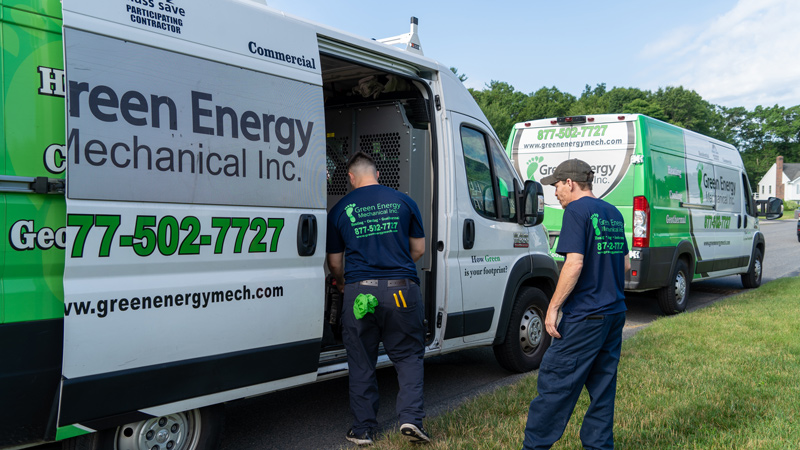
When a visit should be same-day rather than a routine appointment Some problems are inconvenient. Others will rapidly damage the system or your home. If you notice any of the items below, call for service as soon as possible. I recommend a reputable local contractor — for example, Green Energy AC Heating & Plumbing Repair — that offers emergency AC repair near me and has experience with both repairs and AC installation in Needham. A same-day response can save money and prevent heat-related health risks.
Emergency signs checklist
- No cooling at all while the outdoor fan runs, or the indoor blower runs without cold air.
- Strange smells like rotten eggs, burning plastic, or musty mildew when the system turns on.
- Rapid cycling: the system turns on and off several times within a single 10 to 15 minute period.
- Visible refrigerant leaks, ice buildup on evaporator coils, or puddles of water beneath the indoor unit.
- A sudden rise in energy bills of 20 percent or more without increased use.
What each sign usually means, in plain language No cooling while motors run If the outdoor condenser fan is spinning and the indoor blower is circulating air, but the air is warm, you may have a refrigerant issue, a failed compressor, or a stuck reversing valve on heat pump systems. Refrigerant leaks are common in older equipment and in systems with past corrosion or mechanical impact. Low refrigerant causes the evaporator coil to be too cold and can eventually lead to ice forming, which reduces airflow and makes the problem worse. Compressor failure is more serious; compressors can be expensive to replace. In many homes, especially with older systems that use R-22 refrigerant, replacement is often more cost-effective than repairing the compressor.
Unpleasant or unusual smells Burning plastic or electrical odors warrant immediate shutdown and professional inspection. Those smells typically indicate overheating wiring, burning insulation, or a failing capacitor or motor. Those are fire risks. Musty or moldy smells usually come from a clogged condensate drain or a dirty coil. A smelly A-coil can be cleaned, and drains can be cleared, but if you have persistent mold spores a technician should inspect the ductwork and insulation.
Rapid cycling When your system short-cycles, it starts and stops frequently. The immediate cause can be an oversized system, a bad thermostat, low refrigerant, or an electrical problem such as a failing contactor. Short-cycling reduces comfort and wears components quicker, notably the compressor and fan motors. If you see short cycles, get service quickly before a component fails under repeated stress.
Visible leaks, ice, standing water Refrigerant and condensate issues present differently. Refrigerant leaks are oily and evaporator-side leaks can create frost or ice on the coil; you might notice hissing near indoor units. Condensate problems usually cause water near the drain pan or trickling from vents. Both can lead to water damage or mold growth in the attic or behind walls. When you see ice, shut the system off and call a pro — running with frozen coils can damage the compressor.
Large jump in utility bills A system losing efficiency will use more energy to achieve the same temperature. A sudden rise of roughly 20 percent or more without a change in thermostat settings, occupancy, or weather is a red flag. Dirty filters, failing motors, low refrigerant, and failing compressors can all raise consumption. Track your bills weekly if possible during seasonal transitions; the pattern will tell you if the change is gradual or sudden.
Other serious but less obvious indicators High-pitched squeal or grinding Bearings, belts, or failing motors can make high-pitched noises. A grinding noise commonly means a motor bearing has seized. Ignoring these sounds until a component locks up can mean a handful of parts become scrap, increasing repair Visit Website time and cost.
Tripped breakers tied to the AC circuit If the breaker trips when the unit starts, there may be a locked rotor on the compressor or fan motor, a short in the wiring, or a failing start capacitor. Resetting a breaker without addressing the root cause risks damage or fire. A technician will test amperage draw, inspect capacitors, and check wiring.
Thermostat behavior that makes no sense If the temperature on the wall stat doesn't match the room, or settings fail to engage the compressor while the fan runs, the thermostat or control board may be at fault. Modern smart stats can miscommunicate after firmware updates or Wi-Fi interruptions. Simple checks include replacing batteries, verifying program settings, or switching to the system's manual mode. If that fails, call for diagnostics.
When the age of the system changes the decision Age matters. Most residential compressors last 10 to 15 years, coils and cabinets can last longer with good maintenance, but overall system efficiency and parts availability drop with age. If your unit is older than 12 years, weigh the cost of repair against replacement. A rule of thumb I use in the field is: if the repair is more than half the cost of a new, comparable system and the unit is over a decade old, replacement often makes sense. A new system brings better efficiency, quieter operation, and sometimes rebates or tax incentives. Ask companies about AC installation in Needham for accurate local quotes and energy-savings estimates.
A short decision guide homeowners can use When you face a problem, three questions clarify the next step: is the issue a safety hazard, is the system cooling at all, and how old is the equipment? If safety is at stake, shut power and call for emergency service. If the system cools poorly but operates, schedule a repair appointment soon. If the unit is old and repair costs are high, consider replacement estimates before authorizing expensive fixes.
What a technician will typically do on an emergency call On an emergency visit, the technician will first prioritize safety. They will check electrical connections, capacitors, contactors, refrigerant pressures, and motor function. Expect a performance test to measure suction and discharge pressures and to verify superheat and subcooling if refrigerant is in play. If a refrigerant leak is suspected, they will perform a leak test; EPA rules require proper documentation and recharge practices.
An anecdote: a hot afternoon problem resolved before dinner I remember a Needham customer who called at 2:30 p.m. In July. The house hit 82 F while the thermostat read 72 F. The outdoor fan wasn't running, but the compressor sounded like it was struggling. I arrived within the hour, found a bad start capacitor and a stuck fan motor. Replacing the capacitor and freeing the motor restored function. The family had dinner in comfort that night. The repair was a few hundred dollars, versus a possible compressor replacement that would have cost four to six times as much and required waiting for parts.

Cost considerations and realistic ranges Exact prices depend on system size, brand, and the contractor. Typical small emergency repairs such as replacing a capacitor or contactor often fall in the low hundreds. Motor replacements can run several hundred to over a thousand dollars depending on part and labor. Refrigerant leaks and compressor failures escalate costs significantly; a compressor replacement can be over a thousand dollars, and if the system uses phased-out refrigerants like R-22, costs can be substantially higher. A full system replacement in Needham for a standard single-family home frequently ranges from several thousand to over ten thousand dollars, depending on efficiency, zoning, and ductwork modifications. Ask for a written estimate itemizing parts, labor, and any warranty.
Preventive maintenance to avoid emergency repairs Maintaining your system is the most cost-effective strategy. Annual or biannual maintenance reduces the chance of sudden failures by catching worn parts, cleaning coils, and verifying refrigerant charge. Change filters every one to three months depending on use and filter type. Clean or replace dirty filters immediately — restricted airflow causes many downstream problems including coil freeze and compressor stress. A professional maintenance visit should include checking refrigerant, cleaning coils, lubricating motors where applicable, and inspecting electrical connections. Contractors that offer AC maintenance will often provide priority scheduling and discounts for repairs.
Choosing the right contractor for emergency repair When searching for "emergency AC repair near me," prioritize technicians with solid reviews, proper licenses, insurance, and clear warranty terms. Ask whether they charge a flat emergency fee and if that fee applies toward repairs. Look for companies that can both repair and replace; that gives you options if a repair would be uneconomical. Green Energy AC Heating & Plumbing Repair, for example, advertises local responsiveness and a full suite of services including AC installation in Needham and regular AC maintenance. Vet credentials, read recent customer feedback, and request referees if the job looks large.
How to communicate clearly when you call for service Have the following ready: the unit make and model if possible, the age of the system, a short description of symptoms, and whether the issue is ongoing or intermittent. Describe any recent work performed on the system, like duct changes or thermostat swaps. If you smell burning, mention that first to prioritize safety. Be prepared to answer whether you have someone home or if they should enter an empty property. Clear information gets you an accurate ETA and a better first-visit diagnosis.
After the repair: what to expect and what to monitor A reputable technician will explain what failed, what they replaced, and why. You should receive a work order with parts used and any performance readings taken. Keep that paperwork; it helps with future troubleshooting and warranty claims. Monitor temperatures over the next few days. Track your thermostat set points against room conditions and energy usage. If the repair was a bandage on an aging system, expect diminishing returns — know when to ask for an estimate for replacement.
Trade-offs when repairing versus replacing If a system works but needs ongoing repairs, replacement can offer benefits: lower energy bills, more even temperatures, and modern features such as variable-speed compressors and better humidity control. On the other hand, replacing perfectly functional components wastes remaining service life and capital. Maintenance and targeted repairs extend life with lower upfront cost. The choice hinges on age, repair frequency, and whether you plan to stay in the home for the next five to ten years.
Final practical checklist for urgent action
- If you detect burning odors or smoke, shut off power to the unit and call an emergency technician.
- If warm air persists while internal and external fans run, call for same-day diagnostics to check refrigerant and compressor health.
- If you see ice on the coil, switch the system off, open windows if safe, and schedule service to thaw and diagnose the underlying cause.
Your AC is not just equipment, it is a key factor in comfort and household safety. Early detection and timely, informed decisions protect your home environment and your wallet. When you have a real problem, find a local company with quick response and transparent pricing, whether you need emergency AC repair near me or long-term AC maintenance and installation. If you prefer a contractor that provides full-service options in the Needham area, including AC installation in Needham and prioritized emergency work, consider contacting Green Energy AC Heating & Plumbing Repair for an assessment and clear next steps.
Green Energy AC Heating & Plumbing Repair
10 Oak St Unit 5, Needham, MA 02492
+1 (781) 819-3012
info@greenenergymech.com
Website: https://greenenergymech.com