Ductless Mini-Split AC Installation in Kansas City: What Homeowners Ask
Kansas City summers have a talent for two things: moving fast and lingering. One week you are tolerating late evenings, the next week you are sleeping with the thermostat turned down and still sweating through your shirt by morning. That is usually when homeowners start asking the questions behind ductless mini-split AC installation.
If you have not lived with a ducted system that struggles, it can be hard to understand why mini-splits feel so compelling. With a ductless unit, comfort is focused where you need it instead of diluted across ducts you may not even use. But the best choice is never just “ductless good, ducted bad.” It depends on your layout, your insulation, your priorities, all4onekc.com AC repair in Kansas City MO and sometimes how your home was wired before you bought it.
Below are the questions I hear most often from homeowners in the Kansas City area, along with the practical answers that tend to matter after the excitement of a new system wears off.
“Do mini-splits actually cool well in Kansas City?”
They can, and many homeowners are surprised by how quickly a properly sized system settles a space. Kansas City humidity is the real story, though. A mini-split does not just blow cold air, it manages temperature and, to a point, humidity through compressor control and airflow. The results depend on sensible details:
- Right sizing matters more than many people expect. A unit that is slightly undersized can run constantly without pulling enough moisture out of the air.
- Over-sizing can be just as frustrating. When a system is too large, it may cool quickly, then cycle in a way that leaves humidity behind. The room feels colder than it should but still feels damp.
- Air distribution matters. If furniture blocks airflow or the head is placed badly, you lose the benefit of zoning and comfort drops.
A few Kansas City homeowners tell a similar story: the living room feels fine within an hour, but the hallway stays muggy, or the upstairs feels like it never catches up. Those cases often come down to either missing coverage, poor head placement, or the decision to install one indoor unit when the heat load demands two. Mini-splits can absolutely work, but they reward good design.
“What size unit do I need?”
This is the question that saves the most headaches, and it is also the hardest one to answer from a quick photo or a guess based on square footage. The correct sizing is a heat load calculation using insulation level, window area and type, orientation, ceiling height, air sealing, and how that area is used.
When homeowners ask about “how many tons,” I usually explain it this way: the unit capacity needs to match the total cooling demand during the hottest, most humid periods. Kansas City has plenty of those days. The goal is not just to reach the thermostat setpoint, it is to maintain comfort without running in the wrong mode or exhausting itself trying.
In real installations, the most common sizing problems I see are these:
1) Using a rule of thumb instead of a load calculation
2) Choosing a single head for a room that actually behaves like two zones once the doors are closed 3) Ignoring solar gain from large west-facing windowsIf your contractor is serious, they will ask about your windows, your attic insulation, your typical indoor temperatures, and how the space is lived in on hot days. That is a sign of a proper AC installation in Kansas City, not just a quick upsell.
“How many mini-splits do I need, one or multiple?”
Homeowners often expect a simple answer. In practice, it becomes a balancing act between comfort, redundancy, and cost.
A single indoor head can be a great fit for an open-plan space where air mixes freely, especially if you do not have major barriers like closed doors, large hallways, or sun-baked rooms that act like ovens. Multiple indoor units make more sense when the layout creates different heat loads.
I have seen homes where one system “works,” but it works in a way that feels like compromise. For example, a finished basement with a bedroom that stays warmer than the rest of the level. The main room might cool nicely, while the bedroom never feels crisp. Adding a second head fixed the issue because the bedroom’s load was never going to be handled well through indirect mixing.
On the other hand, multiple indoor units cost more to install. If you are early in the planning stage, it can help to decide what you want to control. If your top priority is energy savings and targeted comfort, zoning often pays off. If you primarily want steady cooling in one key area, one properly designed unit can be the more sensible route.
“What does the installation actually involve?”
This is where many homeowners feel nervous, because the word “installation” can sound vague until you picture the work happening outside your home.
A typical ductless mini-split install includes:
- Mounting the indoor head on an interior wall at a good height and location
- Running refrigerant lines and a drain line through a small wall penetration or chase
- Mounting the outdoor condenser unit on a stable pad or bracket location
- Making electrical connections and commissioning the system so refrigerant charge and controls behave correctly
Placement is not trivial. A poorly placed outdoor unit can struggle with airflow if it is tucked against fencing. An indoor head can blow directly onto a couch or bed, or it can be too high to manage airflow where the room actually needs it.
Drain handling also matters in Kansas City conditions. Many systems use gravity drainage, but depending on the setup, you may need a condensate pump or you may need to route the drain where it will not freeze in winter or clog in humid seasons.
If you end up needing AC repair in Kansas City MO or HVAC repair in Kansas City MO later, installation quality affects how often those problems appear. Good commissioning can prevent a lot of “mystery issues,” like inadequate cooling, short cycling, or drain-related callbacks.
“Will my home be quieter after a mini-split?”
For many people, yes. Ductless units can be noticeably quieter than older central systems, mainly because there are fewer duct-driven rattles and no big blower pushing air through long duct runs.
That said, it is worth discussing sound before you sign. Outdoor units create their own noise. If you have close neighbors or a tight side yard, unit placement matters. Indoors, the head fan produces sound that some homeowners notice at night, especially if the head is mounted near a bedroom door or directly over a footboard.
A good HVAC contractor in Kansas City MO will talk through both indoor and outdoor sound considerations rather than treating acoustics as an afterthought.
“Can a mini-split replace my central AC?”
Sometimes, but not always. Replacement depends on your current system condition, your ductwork, your home’s layout, and how much of your house you want to condition.
If you have one main zone with a stable load and you are tired of duct losses, a ductless system can cover a lot of comfort. If you want to cool multiple separated areas with different heat loads, you might need a multi-head setup. That can be an excellent solution, but it may not be cheaper than fixing what you already have.
The best approach I have seen is to treat it like a redesign. If your central system is old and you have duct leakage or poor airflow, repairing or replacing central might still be the best route. If your ducts are hard to fix, or you have additions that never cooled properly, mini-splits often win.
For homeowners sorting through these options, HVAC repair in Kansas City MO becomes part of the decision, because sometimes the best plan is not a complete replacement. Sometimes it is duct sealing, filter and airflow improvements, and then adding a mini-split for problem rooms.
“How much does it cost?”
Cost is where everyone wants precision, and where precision is rarely possible without measurements and site evaluation. Prices swing based on unit capacity, brand, number of indoor heads, electrical requirements, outdoor unit placement, line set length, and whether wall penetrations are easy or complicated by framing.
Instead of a single number, it is more honest to think in ranges and in “what drives the total.” The bigger drivers are:
- Number of indoor heads
- Refrigerant line length and routing difficulty
- Electrical changes needed (or not needed)
- Special handling for drainage and mounting
A contractor who gives you a quote without understanding your layout is more likely to land on a number that looks good today and causes problems later. For ductless AC installations, the cost you pay is tied to whether the system is engineered for your home’s actual heat load.
“Do I need permits or inspections in Kansas City?”
Permit requirements can vary depending on the scope of work and local rules. The reputable contractors I have worked with do not treat permits as optional paperwork. They treat them as part of doing the job correctly.
You do not want to end up with an installation that works initially but creates safety issues or fails inspection if you ever need to sell. If permits are required, they also help ensure electrical and mechanical work meets local standards.
Ask the installer what their process looks like. If they act vague, that is your signal to slow down.
“How do I choose a contractor?”
This is one of the most common worries I hear: “How do I know I am not paying for a problem?”
You can learn a lot by how a contractor talks about design and commissioning. A strong HVAC contractor in Kansas City MO should be willing to discuss sizing logic, indoor head placement, drain strategy, electrical plan, and warranty terms.
I also look for how they handle questions you did not even think to ask. For example, some homeowners forget to mention they have cathedral ceilings or a room above a garage with hot roof exposure. A good contractor will ask those questions anyway.
Here is a short list of what to look for in the conversation, not just on the invoice.
If you do not get answers to at least most of these, it is reasonable to get a second quote. When you invest in AC installation in Kansas City, your installation details become the system’s “personality” for years.
“How should I maintain a mini-split for best performance?”
Maintenance is not complicated, but it is easy to postpone. A dirty filter reduces airflow, which can reduce cooling performance and increase stress on the system.
Most mini-split maintenance tasks are simple, like keeping filters clean and checking drainage. Deeper checks, like verifying refrigerant operation, should be handled by HVAC professionals.
For Kansas City homeowners planning AC maintenance in Kansas City, the best habit is scheduling an inspection before peak summer loads. If you wait until the first extreme heat day, you lose comfort and you lose flexibility. You also risk discovering issues when the rest of the industry is busy.
During maintenance, a qualified technician will typically inspect system operation, clean accessible components, and make sure airflow and drainage are behaving properly. The goal is to avoid small problems becoming callbacks.
“What problems should I watch for after installation?”
A new system should feel stable, but you still want to recognize early signs of trouble. I generally tell homeowners to pay attention to changes, not just one moment of inconvenience.
For example:
- If the unit struggles to reach setpoint more often than expected, sizing or air sealing might be off, or airflow could be blocked.
- If you notice musty smells, it can indicate moisture management issues, dirty filters, or drainage concerns.
- If you hear unusual noises like rattling near the head or vibrating on the line set, mounting or clearance might need adjustment.
- If the condensate drain clogs or drains slowly, the unit might shut down or you may see water where it should not be.
The earlier you catch it, the less likely the repair is to require major work. That matters because HVAC repair in Kansas City MO is not just about price, it is about timeline and how fast you regain comfort.
“Will I have to deal with ice or freezing?”
Mini-splits primarily protect themselves with defrost logic. In Kansas City, freezing weather is more relevant to winter heating and outdoor coil behavior than to summer cooling. But it is still worth thinking about condensate lines and outdoor placement.
If the outdoor unit is installed in a location that gets blocked by landscaping or that traps airflow, the system may have to work harder during cold snaps. During hot-humid summers, airflow problems can also reduce moisture removal effectiveness.
This is one of those “small decisions” that pay dividends later. The best contractors plan the site, not just the equipment.
“Are there electrical concerns I should understand?”
Ductless systems typically require dedicated electrical supply depending on model and configuration. Some installs need panel upgrades or at least careful verification that the existing system can support the load.
Homeowners often ask whether a mini-split will overload their circuits. The honest answer is that it depends on what else is on the same circuits, your breaker panel capacity, and the specific unit requirements.
A professional installer should:
- Confirm the right breaker sizing and wire gauge
- Verify grounding and proper electrical connections
- Ensure safe routing of conductors and protection against physical damage
If you are already dealing with frequent breaker trips or older wiring, it is a good idea to address those issues during installation planning rather than after.
“What about air quality and allergies?”
This question comes up a lot, especially with households dealing with seasonal allergies. Ductless systems can improve comfort by delivering conditioned air directly to living areas, but they do not replace true air filtration strategies.
Mini-splits generally use filters in the indoor unit. Keeping those filters clean helps reduce dust recirculation. If you or someone in the home has strong allergy concerns, talk about what kind of filtration you want. Some systems offer optional filtration accessories, but that varies by brand and model.
The practical point is simple: cooling comfort and air quality are related, but they are not the same thing. A well-maintained system supports better air movement and reduces dust buildup, which can make symptoms feel less intense for some households.
“How do I avoid buyer’s remorse?”
Buyer’s remorse usually comes from mismatched expectations. The solution is not to demand perfection, it is to clarify priorities before the install.
A homeowner who mainly wants quiet and steady comfort in one room might be happier with a focused single-head design. A homeowner who wants full upstairs comfort and better humidity control might need multiple heads or a different layout.
Another source of regret is unclear ownership of maintenance. If you AC repair in Kansas City MO expect the system to run flawlessly forever without filter cleaning or periodic inspection, you will likely be disappointed at some point. Mini-splits are efficient, but they are still mechanical equipment that needs basic care.
If you want fewer regrets, choose a contractor who explains trade-offs. For instance, they might recommend two smaller heads instead of one larger head because you get better comfort and moisture control, even if the initial price is higher. Or they might advise against a complicated line run if it makes future service harder.
That kind of guidance tends to come from real experience.
A final reality check: repair readiness matters
Even the best mini-split install can have occasional issues. Parts wear, drain lines can clog, and sometimes a sensor or control needs attention. That is why it is smart to think about service coverage before you commit.
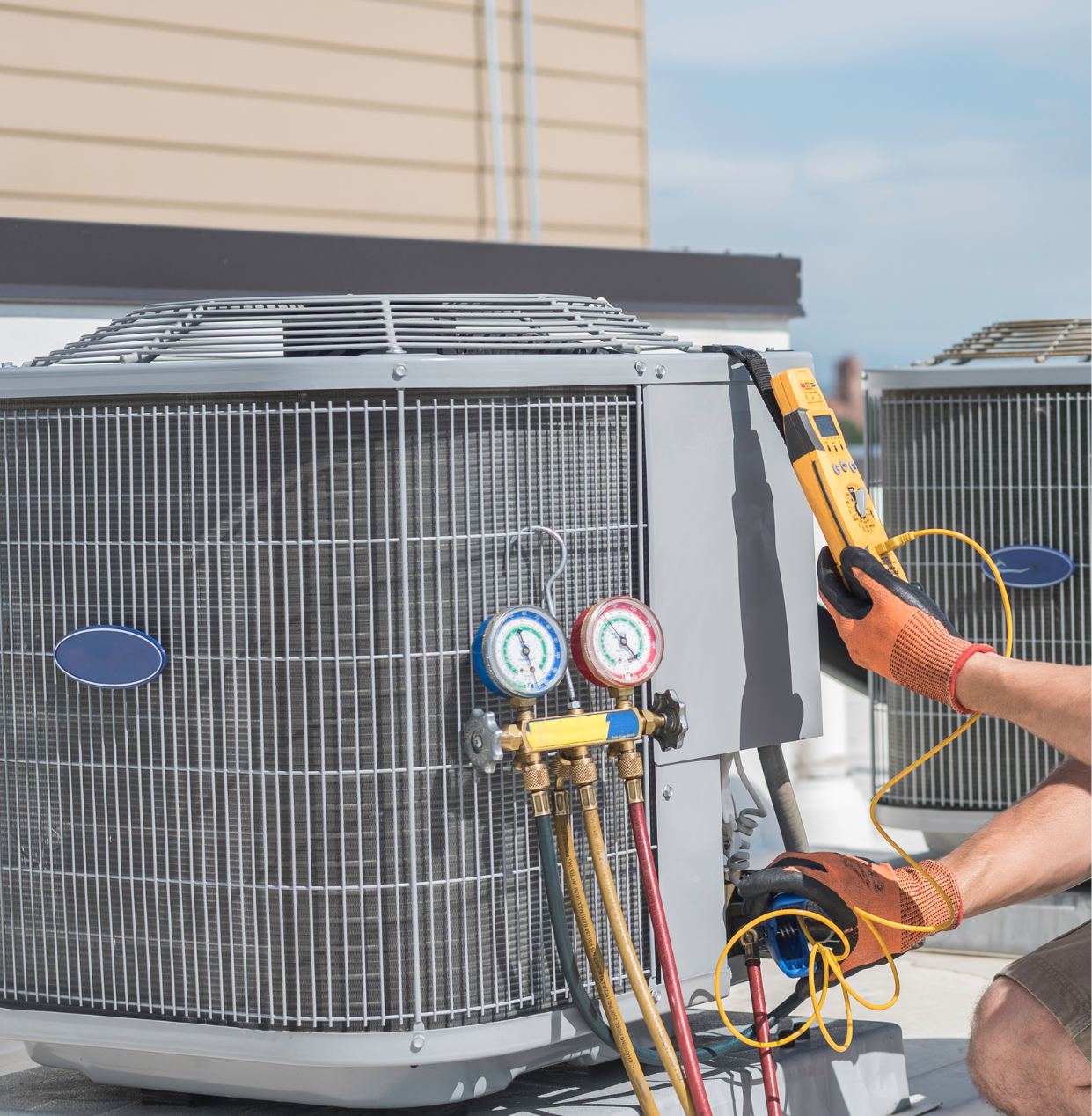
If you already know you can reach a trusted HVAC contractor for AC repair in Kansas City MO, you can feel better about long-term ownership. Local familiarity matters because it is easier to source parts and schedule service when the system behaves differently than expected.
When homeowners ask “What happens if it breaks?”, the answer should not be guesswork. You should be told how service works, what warranty covers, and what response times look like.
Quick questions you can ask before you book the install
If you want a short conversation starter to separate solid installs from ones that are likely to cause trouble, ask these in plain terms:
A good installer welcomes those questions because they know the details are where comfort is won.
Ductless mini-splits can be a fantastic fit for Kansas City homes, especially when the ductwork is a limiting factor or when additions create zones that never behave like the rest of the house. The key is not just picking a system, it is matching it to the home you actually live in, then maintaining it well enough that it can keep doing what it was designed to do.
All 4 One Heating & Cooling
5828 Woodland Ave, Kansas City, MO 64110, United States
816-699-8366
all4onehvac@gmail.com
Website: https://all4onekc.com/