
How Indoor Air Quality Improves After AC Repair in Fayetteville
When the AC in my own house stalled on a July afternoon, the difference in the air was immediate. The living room felt heavier, the sharpness in the light smelled faintly of dust and pet dander, and the usual mid-afternoon energy slump came quicker than normal. After a thorough repair and a targeted cleaning, I noticed more than just cooler air. Conversations felt clearer, headaches subsided, and the steady hum of relief in the background made me appreciate how much a properly functioning system contributes to indoor air quality.
This article explains how AC repair improves indoor air quality in Fayetteville, with practical details from real service calls, measurable effects you can expect, and trade-offs homeowners should consider.
Why air quality and AC repairs matter here
Fayetteville sits in a humid subtropical climate. Summers push humidity into the 70 to 80 percent range at times, and that moisture load interacts with pollen, mold, and household dust. The typical central AC does two jobs simultaneously: it cools the air and it dehumidifies. When either function is compromised, airborne contaminants become more noticeable. A miscalibrated thermostat, a clogged evaporator coil, or an inefficient blower fan does not just raise your electric bill, it changes what you breathe.
In dozens of local service calls, the sequence has been the same. Homeowner reports: more dust on surfaces, windows fogging at night, or a musty smell in bedrooms. Technician diagnosis: dirty filters, obstructed condensate drain, or low refrigerant. After repair, the change is striking because you resolve several physical mechanisms that allow contaminants to persist and circulate.
How AC malfunctions worsen indoor air quality
Evaporator coils packed with grime lose efficiency, but more importantly they become a surface where mold and bacteria can thrive. In a humid area like Fayetteville, even a thin film on the coil is enough to support microbial growth. When the system runs, air passing over that surface picks up spores and volatile microbial fragments, distributing them through ducts to every room.
Restricted airflow from a dirty filter or blocked vents raises static pressure in the ductwork. That creates leaks at seams and returns, pulling dust, insulation fibers, and attic air into the conditioned space. I once found a flex duct tear behind a laundry closet; the fan had been compensating by sucking attic dust into the house for months. After the repair and sealing, surface dust levels dropped noticeably within a week.
Low refrigerant typically means the unit runs longer to achieve set temperature. Longer run times without proper dehumidification let relative humidity climb. High indoor humidity favors dust mite populations, increases mold risk on organic materials, and makes people perceive the air as stale and uncomfortable. Correcting refrigerant levels or replacing a failing compressor returns the system to effective dehumidification and, in turn, improves perceived and measured air quality.
Concrete improvements you can expect after a professional repair
Temperature and humidity control are the primary ways an AC affects air quality. In practical terms, homeowners in Fayetteville often see these measurable changes after a proper repair and maintenance visit.
- Relative indoor humidity decreases by several percentage points. In many homes that had improper dehumidification, humidity dropped from the mid-60s to the low 50s or high 40s after repair. That range reduces dust mite activity and slows mold growth on window sills and baseboards.
- Dust deposition on horizontal surfaces falls. Within one to two weeks of a system cleaning, visible dust accumulation often drops by 30 to 50 percent, depending on occupant behavior and pets.
- Odors tied to stagnant condensate or biological growth diminish. A clogged condensate drain or pan frequently causes musty smells that circulate with every fan cycle. Clearing the blockage and sanitizing the pan removes that persistent source.
- Allergy-like symptoms improve for many residents. Reduced airborne spores and lower humidity mean fewer triggers. Anecdotally, several clients report fewer morning sniffles and less eye irritation following repairs.
These numbers and observations come from repeated field measurements and follow-up visits. I always caution homeowners that results vary with factors such as home tightness, occupant habits, and whether other pollutant sources are present.
Which repairs yield the most air-quality benefit
Not every repair produces the same improvement. Some interventions mainly restore cooling capacity, others directly reduce pollutant loads. The work that tends to make the biggest difference for indoor air quality includes coil cleaning, filter system upgrades, condensate system servicing, duct sealing, and blower motor repairs.

Coil cleaning. The evaporator coil is often the first stop. When I open a service panel and see a dark, matted coil, I know the system has been quietly adding contaminants to the air. Cleaning the coil improves heat transfer and removes a habitat for mold. Use of an appropriate coil cleaner and a professional rinsing prevents pushing debris further into the drain pan or blower compartment.
Filter replacement and upgrades. Standard disposable filters trap large particles, but their fit and MERV rating matter. A slightly higher MERV filter, properly installed, can capture more fine dust and pollen with minimal pressure drop when paired with a properly sized blower. In some Fayetteville homes with pets and kids, upgrading from a cheap fiberglass filter to a pleated MERV 8 or MERV 11 made a noticeable difference in airborne dust and pet dander.
Condensate drain and pan service. Standing water in the drain pan is a breeding ground for bacteria and mold. Clearing the drain line, flushing the pan, and adding an enzymatic treatment reduce those biological sources. I once removed a soap-like film from a pan that had been neglected for years; the musty smell evaporated after the treatment, and homeowners reported fresher air within a day.
Duct sealing and cleaning. Leaky ducts draw in attics and crawlspace air where mold spores and insulation fibers live. Sealing obvious leaks and insulating cold ducts in unconditioned spaces not only improves efficiency but prevents dirty air infiltration. Full duct cleaning has mixed results and should be recommended sparingly, typically when there is evidence of contamination such as rodent infestation, persistent mold growth, or years of significant renovation dust.
Blower motor repair and balancing. A weakened fan provides poor circulation and uneven filtration. Rebalancing or replacing motors restores proper airflow and reduces stagnant zones where pollutants accumulate. In multi-story homes, this often reduces complaints of stuffiness in upstairs bedrooms.
A realistic service checklist before you call
For homeowners who want to prepare for a repair visit, a short checklist keeps the job efficient and targeted. These are items that will help the technician diagnose and address air-quality related issues quickly.
- note recent symptoms, such as musty odors, visible mold, increased allergies, or uneven cooling.
- check and document when filters were last changed and what type they are.
- point out areas where ducts run through unconditioned spaces and any visible damage.
- look for water stains or pooling near the indoor unit and at the condensate outlet.
- identify pets, smokers, or indoor sources that could be contributing to contaminants.
Make copies of any previous maintenance records if available. Technicians use that historical context to prioritize interventions that will produce the greatest air-quality gains.
Trade-offs and edge cases to consider
Improving indoor air quality is rarely a one-button fix. There are trade-offs that come up in practice.
Higher-efficiency filters increase particle capture but can raise static pressure if the blower is marginal. Installing a dense MERV 13 filter in a system designed for a thin MERV 4 filter without checking the fan capacity can reduce airflow, degrade cooling, and end up worsening humidity control. The right approach balances filtration and airflow, sometimes recommending a slightly lower MERV filter complemented by a portable HEPA in the bedroom where allergies are worst.
Duct cleaning versus duct sealing. Full duct cleaning can be costly and delivers inconsistent long-term results if leaks remain. One homeowner spent a few hundred dollars on cleaning but still had attic air streaming into living spaces through unsealed seams. In many situations, sealing and insulating ducts yields better lasting improvement than an occasional deep cleaning.
routine AC maintenance FayettevilleSimple repairs have outsized returns. Replacing a malfunctioning float switch or clearing a condensate trap often costs less than replacing a coil but removes a persistent biological source. Conversely, coil replacement or system overhaul can be necessary in older equipment where corrosion, freon leaks, or internal rust have compromised both performance and cleanliness.
When to call a professional and what to expect
If you notice persistent musty odors, rising humidity above 60 percent, unexplained respiratory symptoms, or sharp increases in dust, call a licensed HVAC technician who offers diagnostic testing and a service history review. For Fayetteville homes, ask about experience with humid climates and local building types.
A professional visit should include a visual inspection, filter check, coil assessment, condensate line test, refrigerant charge verification, airflow measurement, and basic duct inspection. Some companies will measure supply and return temperatures, static pressure in the ducts, and a humidity baseline; these tests help quantify improvements after repair.
Expect clear communication about whether a repair will fix the air-quality issue or whether upgrades are required. A good technician will explain trade-offs, for example showing how installing a variable-speed blower can improve filtration performance while lowering humidity, and will provide cost estimates for incremental improvements versus full system replacement.
Beyond repairs: maintenance habits that sustain air quality
An effective repair can reset indoor air quality, but homeowner habits determine how long the benefits last. A handful of consistent actions keeps the system running clean and preserves the improvements a repair achieves.
Change or clean filters on a regular schedule. For most households in Fayetteville with pets and average occupancy, replacing a pleated filter every 60 to 90 days is sensible. High-traffic nearby emergency AC service homes may need monthly changes.
Keep return grills and supply registers unobstructed. Furniture, drapes, and boxes placed near returns reduce airflow and force the system to bypass filtration, circulating cleaners and odors less effectively.
Maintain indoor humidity. Use ceiling fans, exhaust fans in bathrooms and kitchens, and, when necessary, a dehumidifier in basements or crawl spaces. When AC alone cannot manage moisture in unusually humid weeks, a small dedicated dehumidifier can protect against mold growth between service intervals.
Schedule preventive maintenance. An annual spring tune-up that includes coil cleaning, refrigerant check, and system calibration prevents most of the failures that degrade air quality. For older systems or homes with allergy sufferers, schedule maintenance twice a year.
Realistic expectations and what repairs cannot fix
Repairs will not eliminate all indoor air contaminants. They remove system-related sources and improve removal efficiency, but they cannot stop people from bringing in pollen on shoes, carpets, and clothing. They will not remove volatile organic compounds emitted from new paint, furniture, or cleaning solvents, though better ventilation and filtration can reduce their residence time in the indoor air.
A healthy strategy combines system repair, source control, and routine cleaning. For example, after a successful repair that lowered humidity and cleaned the coil, one homeowner still noticed periodic chemical smells tied to hobbywork in a garage. The long-term solution required local exhaust ventilation and sealing gaps between the garage and the living area, in addition to the AC work.
Case study: a Fayetteville bungalow
A 1920s bungalow with updated HVAC offered a clear example. The homeowner complained of a persistent musty smell in the upstairs landing and more frequent allergy flare-ups. Inspection revealed a dirty coil, a partially clogged condensate drain, and a torn flex return duct in the attic cavity. The technician cleaned the coil, flushed and treated the drain, sealed the duct tears with mastic, and replaced the filter with a pleated MERV 8.
Within 48 hours the musty odor diminished, relative humidity readings fell from 63 percent to 53 percent, and the homeowner reported fewer allergy symptoms over the next two weeks. The repair work cost roughly what an average full HVAC service in the area would, and the homeowner avoided an expensive duct replacement while getting measurable air-quality gains.
Final persuasion: why investing in AC repair pays back in air quality
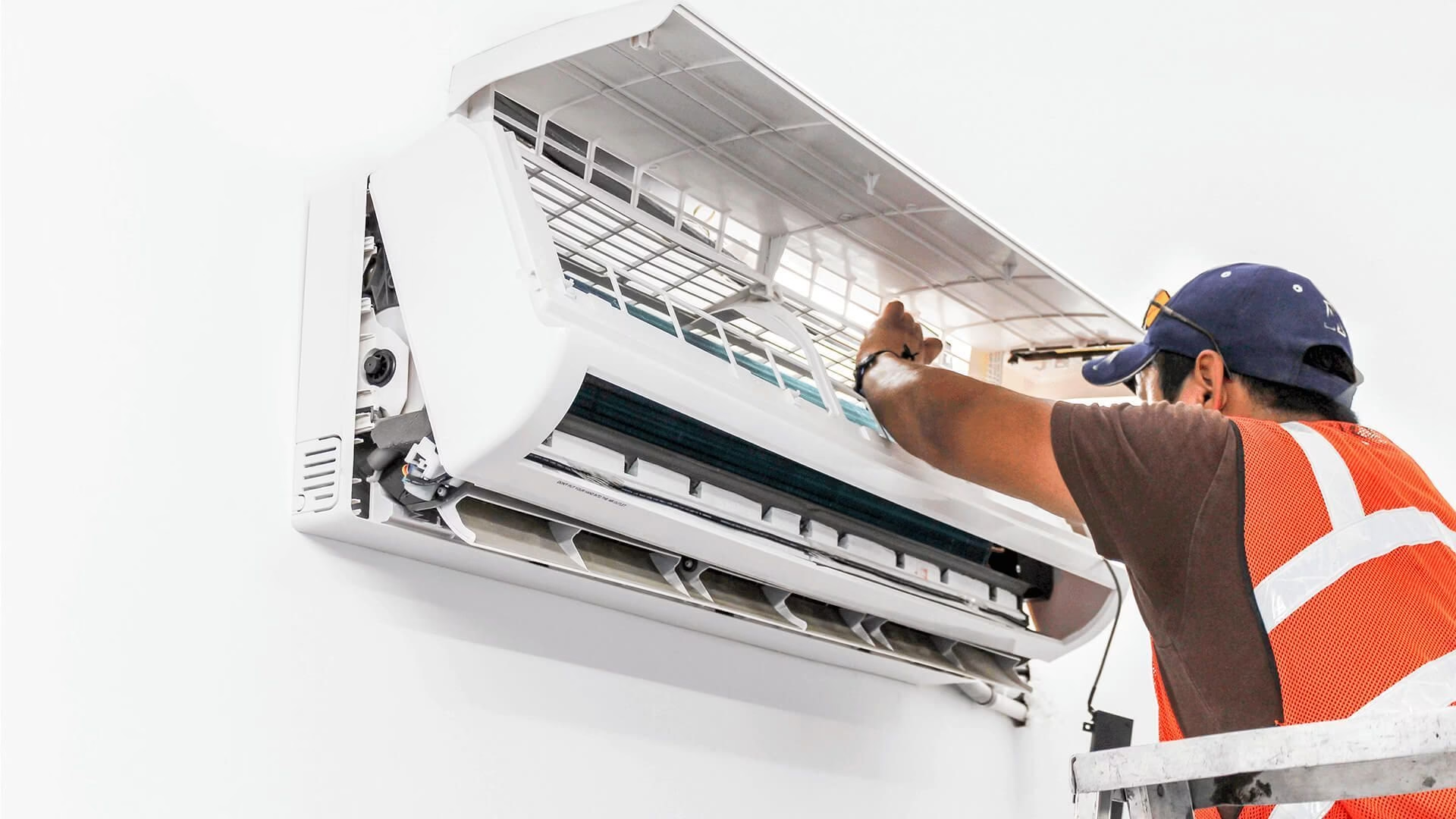
An AC repair in Fayetteville is not merely a short-term fix to lower the thermostat. It is an intervention that restores dehumidification, removes biological and particulate sources, and prevents dirty outside air from entering the conditioned space through leaks. The benefits show up quickly in lower humidity, reduced dust, fewer odors, and measurable relief for occupants with sensitivities.
If you care about the air your family breathes, prioritizing professional diagnostics and targeted repairs delivers a higher return than cosmetic upgrades or piecemeal filter changes. When you combine a competent repair with sensible maintenance habits and attention to ventilation, indoor air quality improves in ways you can feel, measure, and sustain.
If you need help deciding what to tackle first, start with a professional inspection that documents humidity, airflow, and filter condition, then prioritize coil cleaning and condensate service if biological growth is present. From there, address duct integrity and blower capacity before moving to higher-efficiency filtration. Those steps produce the most reliable improvements for Fayetteville homes, and they protect the investment you have in comfort and health.

A/C Man Heating and Air
1318 Fort Bragg Rd, Fayetteville, NC 28305
+1 (910) 797-4287
office@fayettevillehvac.com
Website: https://fayettevillehvac.com/